Trainers
The Best Smart Trainer for Beginners, Ranked
A first trainer is not chosen on flywheel mass. It is chosen on how many things can go wrong between the box arriving and the first ride — cassettes, adapters, radios and noise. That is what this ranking is built on.
The short answer
Quick picks
| # | Product | Best for | Score | Price |
|---|---|---|---|---|
| 1 | 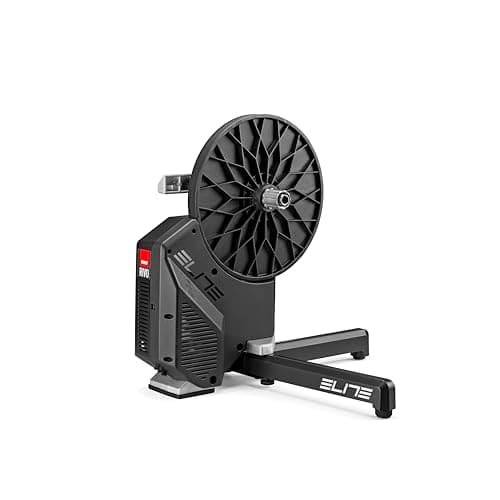 Elite Rivo Best for the first-time buyer who wants direct drive, quiet running and WiFi without flagship money. | Best first smart trainer overall | 8.58.5 out of 10 | $549.99 · View on Amazon #ad We may earn a commission · Price as of November 22, 2026 |
| 2 | 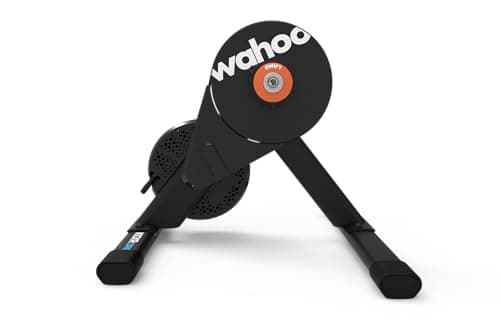 Wahoo Kickr Core 2 Best for the beginner who already suspects they will end up racing — measured power and every radio. | Best if you want measured power from day one | 8.68.6 out of 10 | |
| 3 | 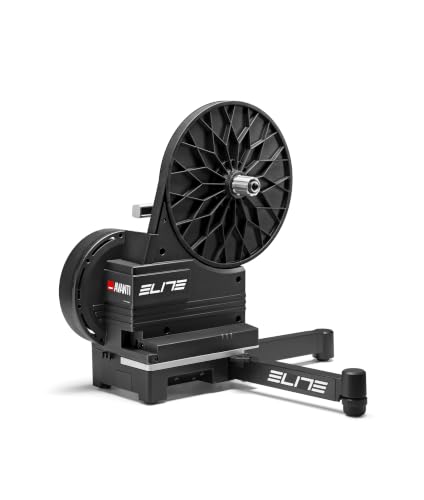 Elite Avanti Zwift Ready (Cog and Click included) Best for the beginner who does not know what a freehub standard is and would rather never find out. | Best for skipping the cassette question entirely | 8.98.9 out of 10 | $769.99 · View on Amazon #ad We may earn a commission · Price as of November 22, 2026 |
| 4 | 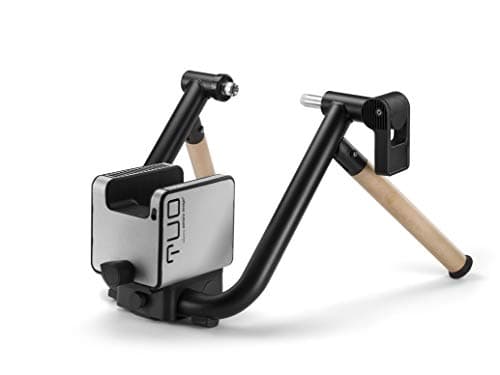 Elite Tuo Best for the rider who is not yet sure indoor cycling will stick and does not want to find out expensively. | Budget pick: cheapest controllable trainer worth owning | 7.87.8 out of 10 | $162.49 · View on Amazon #ad We may earn a commission · Price as of November 22, 2026 |
| 5 | 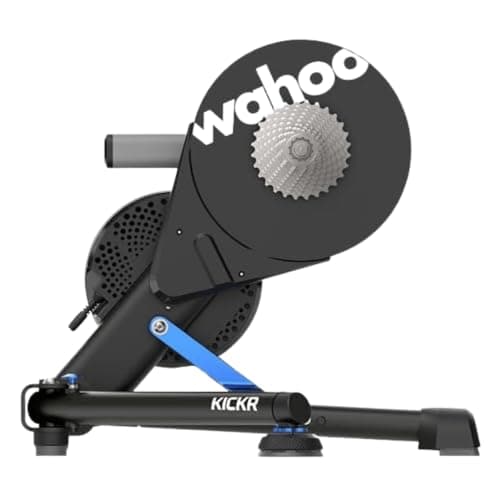 Wahoo Kickr v6 Best for the beginner with the budget who would rather buy the last trainer first than the first trainer twice. | Best if you would rather not upgrade later | 8.68.6 out of 10 |
Most beginner trainer advice ranks trainers the way it ranks flagships — flywheel mass, road feel, accuracy to the second decimal place. That is the wrong axis for a first purchase. The things that actually derail a first indoor setup are mundane: a trainer arrives without a cassette, or the bike has thru-axles and the adapter is a separate order, or the trainer only speaks a radio the tablet cannot hear, or it turns out to be loud enough to start an argument in an apartment.
So this page ranks on setup friction first and ride quality second. It is a deliberately different list from the best smart trainers, which ranks the whole field on specifications, and from the best budget smart trainers, which ranks on price alone. A cheap trainer that needs three more purchases is not a good beginner trainer.
The four things that go wrong on a first setup
The cassette. Direct-drive trainers replace your rear wheel, so they need a cassette — and most ship without one. That means knowing your speed count, your brand, and your freehub standard before you order, or buying a trainer that includes a Zwift Cog and shifts virtually instead. This is the single most common first-purchase mistake, which is why the Avanti Zwift Ready is on this list at all. Zwift Cog vs cassette settles it, and the cassette roundup covers what to buy if you go the conventional route.
The axle. A quick-release bike and a thru-axle bike do not mount the same way, and the adapter you need is sometimes in the box and sometimes not. Smart trainer thru-axle compatibility is the check to run against your own bike before ordering anything.
The radios. Zwift on an iPad, iPhone, Apple TV or Android tablet pairs over Bluetooth only — there is no ANT+ path at all on those platforms. On Windows and macOS you get both. Every trainer here speaks Bluetooth; the Rivo is the one that has no ANT+ radio at all, which only matters if you already own ANT+ kit. ANT+ vs Bluetooth for Zwift explains which to use on each platform.
The noise. Direct-drive trainers are far quieter than wheel-on trainers, because the loudest thing in a wheel-on setup is the tire on the roller. If the trainer is going in an apartment or a shared house, that difference is worth more than any accuracy figure on this page. The quietest smart trainers ranks specifically on that.
| Trainer | Type | Cassette included? | Radios | Claimed accuracy |
|---|---|---|---|---|
| Elite Rivo | Direct drive | No — Zwift Cog supported | Bluetooth, WiFi | ±2.5%, estimated |
| Wahoo Kickr Core 2 | Direct drive | No (Cog version available) | WiFi, Bluetooth, ANT+ | ±2%, measured |
| Elite Avanti Zwift Ready | Direct drive | Cog and Click in the box | ANT+, Bluetooth, WiFi, Ethernet | ±1%, measured |
| Elite Tuo | Wheel-on | Not applicable | Bluetooth, ANT+ | ±2.5% |
| Wahoo Kickr v6 | Direct drive | No | WiFi, Bluetooth, ANT+ | ±1%, measured |
What else you actually have to buy
Budget for the room, not just the trainer. The order we would spend in is a fan first — indoor cycling without one is unpleasant in a way that ends training plans — then a mat to protect the floor and catch sweat, then a front wheel riser block to level the bike, then a screen. A cassette and possibly an axle adapter sit on top of that if your trainer needs them.
You do not need a separate cadence sensor with any of these trainers; each reports cadence to the app itself. You also do not need a power meter indoors — the trainer is the power source. Both become worth buying later, and for specific reasons, not as part of a first setup.
Which one, for which beginner
Buy the Elite Rivo if you want direct drive and your training is your own. It is the best balance of price, quiet running and connectivity on this page, and the estimated-power compromise genuinely does not matter if nobody else is reading your numbers.
Buy the Wahoo Kickr Core 2 if you suspect you will race, join group events where other riders see your watts, or follow a plan built from an outdoor power meter. Measured power at ±2% is the difference, and the ANT+ radio is a bonus.
Buy the Elite Avanti Zwift Readyif the words "freehub standard" made you nervous. The Cog and Click are in the box, your drivetrain stops mattering, and the trainer underneath is a ±1% unit with Ethernet.
Buy the Elite Tuo if you are not sure this will stick. It is the budget pick and it is a real controllable trainer, with the honest costs of a tire in the loop. Buy the Wahoo Kickr v6 if you already know you are in for the long run and would rather not do this twice.
Trainer chosen?
See the full first-time Zwift setup guideThe full reviews
Every pick, in detail
#1 · Best first smart trainer overall
Elite Rivo
8.58.5 out of 10#ad We may earn a commission · Price as of November 22, 2026
Best for the first-time buyer who wants direct drive, quiet running and WiFi without flagship money.
- Type
- Direct drive, electromagnetic
- Claimed accuracy
- ±2.5%, estimated power
- Max resistance
- 2,000 W at 40 km/h
- Max gradient
- 18%
- Connectivity
- Bluetooth, WiFi, Zwift protocol
- Weight
- 10 kg, folds
- Virtual shifting
- Zwift Cog and Click supported
What we'd praise
- Direct drive at a price that used to buy a wheel-on trainer — no tire wear, no tire noise, no pressure routine
- Onboard WiFi, so you are not depending on a Bluetooth link from across the room
- Supports Zwift Cog and Click, which lets you skip the cassette question entirely
- 10 kg and folds, which matters a lot if the trainer lives in a spare room between rides
What we'd flag
- Estimates power at ±2.5% rather than measuring it — fine alone, not fine for racing
- No ANT+ radio at all, so ANT+-only sensors and head units are out
- A 4 kg flywheel, which feels lighter through the dead spot than heavier trainers
For a first trainer, the single biggest upgrade is losing the tire. A wheel-on trainer makes noise, wears a tire out, and needs its pressure and roller tension checked before every ride — three small rituals that quietly decide whether you actually ride. The Rivo is the cheapest trainer we know of that removes all three, and it adds onboard WiFi, which is the other thing that makes indoor riding feel reliable rather than fiddly.
Its compromise is honest and published: power is estimated within ±2.5% rather than measured. For your own training that is consistent enough for zones, intervals and a fitness trend. It is not enough if you plan to race other people or follow a plan built on an outdoor power meter's FTP. Our Elite Rivo review works through exactly where that line falls.
#2 · Best if you want measured power from day one
Wahoo Kickr Core 2
8.68.6 out of 10Best for the beginner who already suspects they will end up racing — measured power and every radio.
- Type
- Direct drive, electromagnetic
- Claimed accuracy
- ±2%, measured
- Max resistance
- 1,800 W
- Max gradient
- 16%
- Flywheel
- 5.4 kg
- Connectivity
- WiFi, Bluetooth, ANT+ FE-C
- Rider limit
- 250 lb (113 kg)
What we'd praise
- Measures power rather than estimating it, so the numbers travel to races and training plans
- WiFi, Bluetooth and ANT+ — it will talk to anything you buy later
- A heavier 5.4 kg flywheel than the Rivo, which reads as a steadier feel at low cadence
- The most common first direct-drive trainer, which means the most troubleshooting help online
What we'd flag
- Costs more than the Rivo
- No cassette in the box unless you buy the Zwift Cog version — you need to know your drivetrain
- 16% gradient ceiling, below the Rivo's 18%
If there is a chance you will join a Zwift race or follow a structured plan with someone else's numbers in it, buy a trainer that measures power rather than estimating it. The Core 2 is the cheapest one in this registry that does, at a claimed ±2%, and it carries WiFi, Bluetooth and ANT+ so it will pair with whatever you add later.
The one beginner trap here is the cassette. The Core 2 ships without one, so you either need to know your drivetrain — speed count, brand, freehub standard — and buy a matching cassette, or buy the Zwift Cog version and shift virtually instead. Zwift Cog vs cassette is the five-minute read that saves a return.
#3 · Best for skipping the cassette question entirely
Elite Avanti Zwift Ready (Cog and Click included)
8.98.9 out of 10#ad We may earn a commission · Price as of November 22, 2026
Best for the beginner who does not know what a freehub standard is and would rather never find out.
- In the box
- Zwift Cog and Zwift Click, per the listing
- Shifting
- Virtual, in Zwift — no derailleur movement
- Cassette
- Not needed if you run the Cog
- Claimed accuracy
- ±1% (optical torque sensor)
- Max gradient
- 18%
- Connectivity
- ANT+, Bluetooth, WiFi, Ethernet, Zwift
What we'd praise
- The Cog and the Click are in the box, so there is nothing to source and no cassette to buy
- Your drivetrain stops mattering: 8-speed or 12-speed, Shimano or SRAM, the trainer does not care
- ±1% optical torque sensor — measured power, at the top of the accuracy range
- Ethernet as well as WiFi, which is the most reliable connection any trainer here offers
What we'd flag
- You pay a premium over the standard Avanti for parts you may not want
- Virtual shifting works properly only in apps that support it
- Fitting a conventional cassette later is a second purchase
The most common reason a first direct-drive trainer goes back to the shop is the cassette: the trainer arrives, there is a bare freehub where a cassette should be, and the buyer discovers they need a lockring tool, a compatible speed count and the right freehub standard. This version of the Avanti deletes that entire problem by including the Zwift Cog and the Zwift Click in the box.
You run a single cog, shift in software with the Click on the bars, and your bike's drivetrain becomes irrelevant. Underneath it is the same Avanti hardware — a ±1% optical torque sensor, an 18% ceiling, WiFi and Ethernet. If you want to understand the trade before buying, Zwift Cog vs cassette lays it out, and our Elite Avanti review covers the trainer.
#4 · Budget pick: cheapest controllable trainer worth owning
Elite Tuo
7.87.8 out of 10#ad We may earn a commission · Price as of November 22, 2026
Best for the rider who is not yet sure indoor cycling will stick and does not want to find out expensively.
- Type
- Wheel-on, controllable
- Claimed accuracy
- ±2.5%
- Max resistance
- 1,300 W
- Max gradient
- 10%
- Zwift
- Full resistance control
- Connectivity
- Bluetooth, ANT+ FE-C
- Cassette
- Not applicable — the bike goes on with its wheel
What we'd praise
- The cheapest trainer here that still makes the virtual road go uphill under you
- Wheel-on, so there is no cassette, no freehub standard and no lockring tool
- Bluetooth and ANT+, so it pairs on a tablet or a PC
- Light, folds small, and survives being moved every week
What we'd flag
- A 10% gradient ceiling and 1,300 W — both arrive early on a Zwift climb
- Tire wear, roller noise and a pressure check before each ride
- ±2.5% without the direct-drive benefits — a first trainer, not a forever one
The honest budget answer. The Tuo keeps your rear wheel on the bike and presses a roller against the tire, which means the whole setup takes two minutes and asks you nothing about your drivetrain. Zwift can still control it properly, so climbs get harder and ERG workouts hold a target — the things that separate a smart trainer from a block of resistance.
The costs are real: noise, tire wear, a pressure routine, a 10% gradient ceiling, and the same ±2.5% tolerance as the Rivo without any of the direct-drive upside. Buy it if the budget is the budget, and know that most riders who keep riding end up replacing it within two seasons. The turbo trainer roundup puts it against the rest of the wheel-on field.
#5 · Best if you would rather not upgrade later
Wahoo Kickr v6
8.68.6 out of 10Best for the beginner with the budget who would rather buy the last trainer first than the first trainer twice.
- Type
- Direct drive
- Claimed accuracy
- ±1%
- Max resistance
- 2,200 W
- Max gradient
- 20%
- Flywheel
- 16 lb
- Connectivity
- WiFi, Bluetooth, ANT+ FE-C
- Rider limit
- 250 lb (113 kg)
What we'd praise
- ±1% measured, 2,200 W and a 20% ceiling — nothing on this page you will outgrow
- A 16 lb flywheel, by far the heaviest here, which is the steadiest feel at low cadence
- WiFi, Bluetooth and ANT+, and Wahoo's firmware support is the longest-running in the category
- The trainer most likely to still be the right trainer in five years
What we'd flag
- Several times the price of the Tuo and well above the Rivo
- Still no cassette in the box
- Heavy and not something you will enjoy moving between rooms
Some people know themselves. If you have already decided this is a long-term thing, the v6 is the trainer on this page you will not outgrow: ±1% measured accuracy, 2,200 W of resistance, a 20% gradient ceiling and a 16 lb flywheel, with WiFi, Bluetooth and ANT+.
It is included here rather than only in the flagship roundup because "buy once" is a legitimate beginner strategy and because the difference between a first trainer and a last trainer is often one year of saving. Our Wahoo Kickr v6 review covers it in full, and the best smart trainers roundup puts it against the rest of the top end.
Good questions
Frequently asked questions
What is the best smart trainer for a beginner?
The Elite Rivo for most people: direct drive, so there is no tire to wear or inflate, onboard WiFi, an 18% gradient ceiling and Zwift Cog support, at a price that used to buy a wheel-on trainer. Choose the Wahoo Kickr Core 2 instead if you might race, since it measures power at a claimed ±2% rather than estimating it, and the Elite Tuo is the budget pick if a direct-drive trainer is out of reach.
Do beginner smart trainers come with a cassette?
Usually not. Direct-drive trainers replace your rear wheel and most ship with a bare freehub, so you need a cassette that matches your drivetrain's speed count, brand and freehub standard. The exception on this page is the Elite Avanti Zwift Ready, which includes a Zwift Cog and Click so you run a single cog and shift in software instead. Wheel-on trainers like the Elite Tuo never need one.
Is a wheel-on trainer good enough to start with?
Yes, if the budget demands it. A controllable wheel-on trainer like the Elite Tuo still changes resistance on climbs and holds ERG targets, which is what makes indoor training work. What you accept is tire wear, a pressure check before each ride, considerably more noise, and a lower ceiling — 10% gradient and 1,300 W on the Tuo. Most riders who keep riding move to direct drive within two seasons.
Do I need a cadence sensor or a power meter with a beginner trainer?
No. Every trainer on this page reports cadence to the app itself, and the trainer is your power source indoors, so a separate power meter adds nothing on day one. A power meter becomes worth buying when you want one number that follows you indoors and outdoors; a cadence sensor becomes worth buying if your trainer's derived cadence lags during hard efforts.
How much should a first smart trainer cost?
The live prices in the table above are the honest answer, with the date they were last refreshed. What is more useful is the shape of the curve: a controllable wheel-on trainer is the floor, direct drive with estimated power is the next step, direct drive with measured power is the step after that, and the flagship tier buys resistance ceiling and flywheel mass you are unlikely to need in a first season. Leave room in the budget for a fan and a mat.
How we sourced this
- Elite — Rivo smart trainer specifications (estimated power ±2.5%, 18% gradient, WiFi, 10 kg)
- Wahoo — KICKR CORE compatibility and cassette information
- Elite — Avanti smart trainer specifications (optical torque sensor ±1%, 18% gradient, Ethernet)
- Elite — Tuo smart trainer specifications (±2.5%, 1,300 W, 10% gradient, ANT+ FE-C)
- Zwift Support — Pairing devices and sensors, supported connection types by platform
Keep going