The Supporting Cast
The Best Fans for Indoor Cycling, Ranked on Airflow
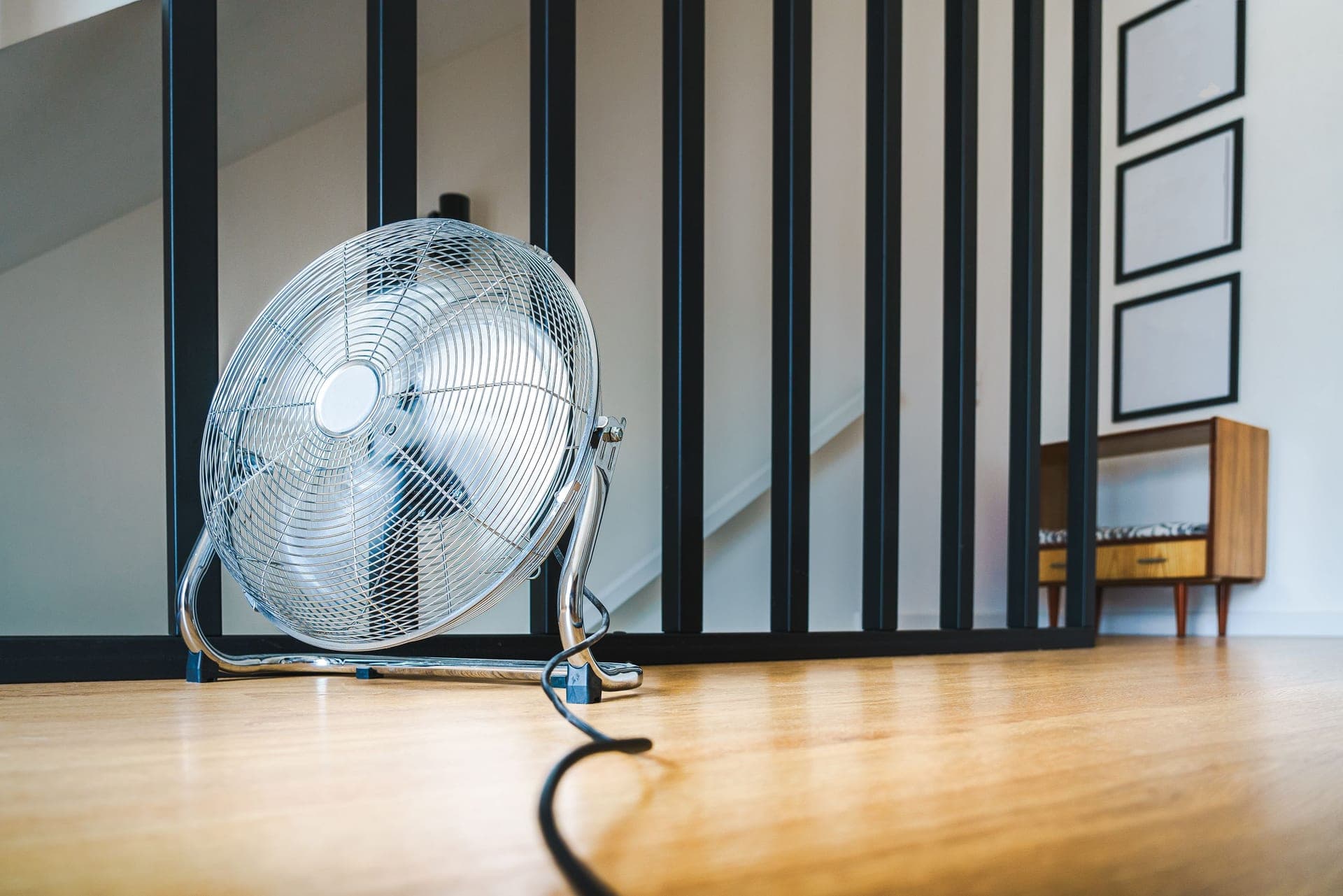
A serious fan is the single highest-return purchase in the pain cave — it's the difference between a ride you finish and one that ends early because the room won the battle. Here's what actually moves the air.
The short answer
Quick picks
| # | Product | Best for | Score | Price |
|---|---|---|---|---|
| 1 | 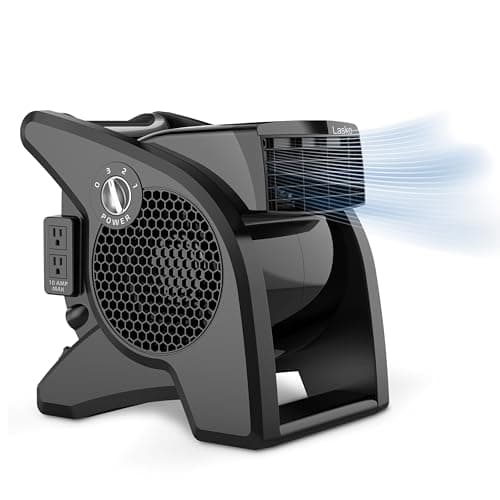 Lasko U15617 The highest-return cooling upgrade most riders can make: near-smart-fan airflow at hardware-store money. | Best value high-velocity | 9.09.0 out of 10 | $93.99 · View on Amazon #ad We may earn a commission · Price as of October 21, 2026 |
| 2 | 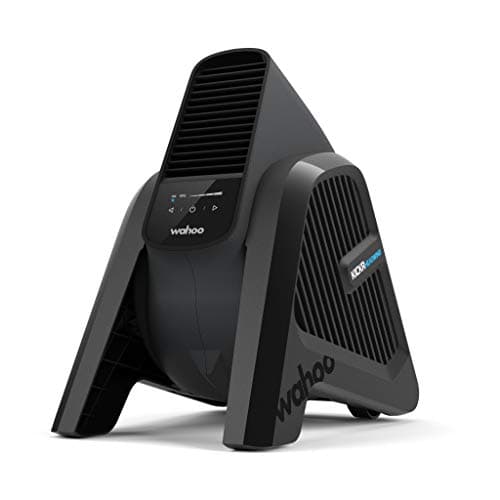 Wahoo KICKR Headwind The smart pick: cooling that scales with your effort automatically, if you'll pay for the automation. | Best smart fan | 8.58.5 out of 10 | $319.99 · View on Amazon #ad We may earn a commission · Price as of October 21, 2026 |
| 3 | 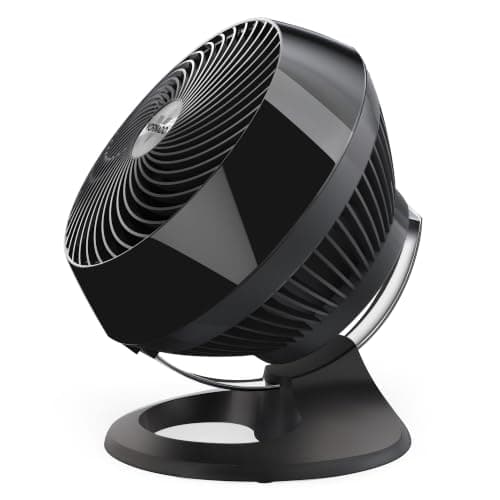 Vornado 660 The pick when the whole room is the problem: it circulates a hot, closed pain cave instead of just aiming at you. | Best air circulation | 8.28.2 out of 10 | $139.13 · View on Amazon #ad We may earn a commission · Price as of October 21, 2026 |
| 4 | 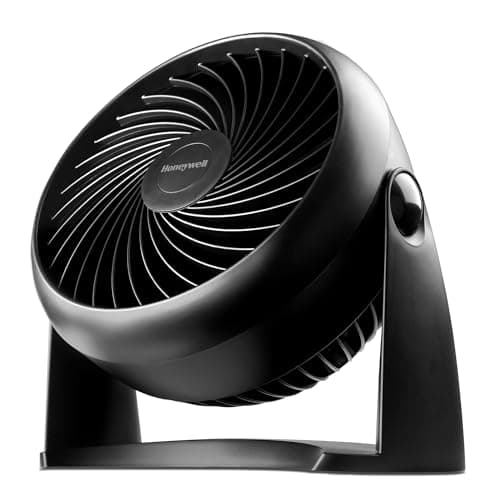 Honeywell HT-900 TurboForce The best few-dollars-in cooling you can buy, and the smart move is to run two of them. | Best budget | 7.87.8 out of 10 | $18.79 · View on Amazon #ad We may earn a commission · Price as of October 21, 2026 |
| 5 | Lasko 4000 Air Stik The pick when floor space, not airflow, is your real constraint — a fan that hides beside the bike. | Best compact | 7.47.4 out of 10 |
Ask riders which single upgrade did the most for their indoor training and a surprising number won't say the trainer, the screen or the app — they'll say the day they bought a proper fan. It's the least glamorous thing in the room and the highest-return purchase in it, and the reason is physics, not preference.
Why a real fan is the highest-return thing you'll buy
Outdoors, you generate your own wind. Every watt of heat your body dumps gets carried away by the air rushing past you, and sweat evaporates the instant it forms. On a trainer you produce the same heat and move nowhere, so that cooling simply stops. Sweat pools instead of evaporating, your core temperature climbs, your heart rate drifts up for the same power, and the ride that should have been an hour ends at forty minutes because the room won. A high-airflow fan puts the missing wind back. It's not a comfort item — it's the thing that lets you actually complete the workout you sat down to do.
The number that matters is air speed over your skin, and that's where a genuine high-velocity or blower fan pulls away from the tower fan you already own. A gentle breeze feels nice; it does very little for evaporative cooling under a hard effort. You want moving air you can lean into. That's the whole reason this page exists and why we'd put a real fan ahead of almost every other accessory on the checklist.
How we ranked them
We don't run a wind tunnel, and we say so plainly on our how we reviewpage. What we did instead: pulled each manufacturer's published airflow claims, speed settings, control options and dimensions, then judged each fan on the four things a sweating rider actually notices — raw airflow, noise, value, and control. Prices are live from Amazon and move constantly, so you'll see today's number or "Check price," never a stale figure we typed in months ago.
| Fan | Airflow | Speeds | Smart control | Best for |
|---|---|---|---|---|
| Lasko U15617 | Very high (blower) | 3 | No | Value high-airflow |
| Wahoo KICKR Headwind | Up to 30 mph (claimed) | 4 + auto | Yes (BT/ANT+) | Smart pick |
| Vornado 660 | Up to 100 ft throw (claimed) | 4 | No | Room circulation |
| Honeywell HT-900 | Up to 27 ft (claimed) | 3 | No | Budget |
| Lasko 4000 Air Stik | Moderate, slim | 3 | No | Compact |
What actually matters when you're buying a fan
Airflow beats everything.A fan that can't move enough air to strip sweat off your skin at threshold is decoration. This is why the humble blower and high-velocity fans win over prettier oscillating towers — they concentrate the stream instead of spreading it thin. Match the fan to your hardest efforts, not your recovery spins.
Direct vs. circulatingare two different jobs. A directional fan (the Headwind, the U15617) aims a column at you; a circulator (the Vornado) keeps the whole room's air moving. A hot garage often wants both — one fan on your face, one keeping the room from becoming an oven. Placement then does half the work: get the air onto your head, chest and thighs, not your back, and mount it high enough to hit your face without you ducking into it.
Noise decides whether you can train at 5am, and controlis the luxury tier — a fan that reads your heart rate and ramps itself is genuinely nice, but it's convenience, not extra cooling. Whichever you pick, it's one piece of the room: pair it with a trainer matto protect the floor from the sweat a good fan can't fully evaporate, budget for headphones that cope with it once a real fan is running, and see the complete pain cave setup for how it all fits together.
The full reviews
Every pick, in detail
#1 · Best value high-velocity
Lasko U15617
9.09.0 out of 10#ad We may earn a commission · Price as of October 21, 2026
The highest-return cooling upgrade most riders can make: near-smart-fan airflow at hardware-store money.
- Type
- High-velocity blower
- Airflow
- Very high (focused stream)
- Speeds
- 3
- Smart control
- No
- Pivot
- Full 360 degrees, direct
- Best for
- Value high-airflow
What we'd praise
- Blower-style airflow that actually moves the sweat off you, for a fraction of a smart fan
- Pivots a full 360 degrees so you can aim the stream at your face or torso
- The pragmatic pick the whole pain-cave community keeps landing on
What we'd flag
- No oscillation and no remote — you set it and aim it manually
- It is a utility fan, so it looks the part rather than the living room
The U15617 is a pivoting utility fan wearing the wrong badge for what it does indoors: it's one of the best cheap ways to put a genuine wall of moving air across a sweating rider. The blower housing concentrates the stream rather than wafting it around the room, which is exactly what you want bolted to the front of a smart trainer — evaporative cooling scales with air speed over your skin, not with how pretty the fan is.
You give up oscillation and any kind of remote, so you aim it once and leave it. For most riders that's a non-issue: you want the air pointed at your face and torso for the whole ride anyway. Unless you specifically want a fan that reacts to your heart rate, this is where we'd spend, and put the savings toward a mat and a screen.
#2 · Best smart fan
Wahoo KICKR Headwind
8.58.5 out of 10#ad We may earn a commission · Price as of October 21, 2026
The smart pick: cooling that scales with your effort automatically, if you'll pay for the automation.
- Type
- Smart directional fan
- Airflow
- Up to 30 mph (claimed)
- Speeds
- 4 manual + auto modes
- Smart control
- Yes (Bluetooth / ANT+)
- Auto mode
- Tracks heart rate or speed
- Best for
- The connected pain cave
What we'd praise
- Auto mode ramps the fan with your heart rate or speed, so cooling matches effort hands-free
- The airflow pattern is shaped to hit head, chest and legs the way a real headwind would
- Pairs cleanly into a Wahoo trainer setup and mounts to match your bar height
What we'd flag
- You pay a flagship premium for convenience a manual high-velocity fan delivers for far less
- It's a directional fan, not a room circulator — one rider, one seat
The Headwind is the fan built specifically for this job, and it shows. Wahoo claims airflow up to 30 mph, shaped into a column aimed at head, chest and legs rather than sprayed across the room. The trick is the auto mode: pair it over Bluetooth or ANT+ and it ramps with your heart rate or speed, so the fan is loudest when you're working hardest and quiet on recovery — no reaching down mid-interval.
Whether that's worth a flagship price is the honest question. The raw airflow isn't dramatically beyond a good high-velocity fan; what you're buying is the automation and the tidy integration. If your pain cave is already a connected Wahoo setup and you hate fiddling with dials, it earns its keep.
#3 · Best air circulation
Vornado 660
8.28.2 out of 10#ad We may earn a commission · Price as of October 21, 2026
The pick when the whole room is the problem: it circulates a hot, closed pain cave instead of just aiming at you.
- Type
- Whole-room air circulator
- Airflow
- Moves air up to 100 ft (claimed)
- Speeds
- 4
- Smart control
- No
- Adjustment
- Tilts 0 to 90 degrees
- Best for
- Hot, stuffy rooms
What we'd praise
- Vornado's vortex design keeps the whole room moving, not just the air in front of you
- Tilts through 90 degrees so you can throw air up and over the bike
- Built well enough to double as a year-round room fan
What we'd flag
- The air column is broad, so it cools a stuffy room better than it blasts one rider
- No remote or oscillation on the base model
The 660 solves a different half of the cooling problem. A high-velocity fan blasts one rider; the Vornado moves the entire volume of air in the room, which matters when your pain cave is a closed garage or basement that turns into an oven forty minutes in. Vornado claims it circulates air up to 100 feet, and the vortex design means the air keeps moving after it reaches the far wall.
For a lot of setups the best answer is a Vornado handling the room and a blower fan aimed at your face — the two jobs are genuinely different. On its own it's the pick if your complaint is a stuffy, still room rather than not enough direct wind. Tilt it up and over the bike and pair it with a trainer mat to keep the sweat off the floor.
#4 · Best budget
Honeywell HT-900 TurboForce
7.87.8 out of 10#ad We may earn a commission · Price as of October 21, 2026
The best few-dollars-in cooling you can buy, and the smart move is to run two of them.
- Type
- Compact turbo
- Airflow
- Reaches up to 27 ft (claimed)
- Speeds
- 3
- Smart control
- No
- Adjustment
- Pivots 90 degrees
- Best for
- Tight budgets
What we'd praise
- Punches far above its price and size thanks to the aerodynamic turbo shroud
- Small footprint clamps or sits anywhere in a cramped setup
- Cheap enough to buy two and cross the airflow at your face and legs
What we'd flag
- One small fan won't fully cool a hard, sustained effort on its own
- The higher speed is buzzier than the bigger fans here
The HT-900 is the fan that proves you don't need to spend much to fix a hot pain cave. The aerodynamic turbo housing focuses the stream so a small fan throws air Honeywell claims reaches up to 27 feet, and the whole thing costs about as little as fans get. For a rider on the tightest budget, it's the easiest possible upgrade over riding in still, heavy air.
The honest caveat is size: one HT-900 won't hose down a full-gas threshold set the way a blower fan does. The move a lot of riders make is to buy two — one low aimed at the legs, one high at the face — and still spend less than a single mid fan. Start here, then read our accessories checklist for where the next dollar goes.
#5 · Best compact
Lasko 4000 Air Stik
7.47.4 out of 10The pick when floor space, not airflow, is your real constraint — a fan that hides beside the bike.
- Type
- Ultra-slim oscillating
- Airflow
- Moderate, wide sweep
- Speeds
- 3
- Smart control
- No
- Footprint
- Slim tower profile
- Best for
- Tight spaces
What we'd praise
- Slim tower shape slots into a corner or beside a desk where a round fan won't fit
- Oscillation covers you and the room when the bike shares a bedroom or office
- Quiet on the lower speeds for early-morning rides
What we'd flag
- Prioritizes footprint over raw airflow, so it can't match a blower fan for hard efforts
- Oscillation means the air leaves your face and comes back rather than staying put
The Air Stik is for the rider whose trainer lives in a spare bedroom or a corner of the office, where a squat utility fan is an eyesore and a tripping hazard. The slim tower profile tucks against a wall, and the oscillation spreads air across you and the room so it doubles as a normal fan when you're not riding. On the lower speeds it's quiet enough for a 5am effort without waking the house.
The trade is airflow: a slim oscillating fan can't concentrate air the way a blower does, so hard sustained efforts will still feel warm. Treat it as the space-constrained compromise, and if your setup shares a room, our full pain cave setup guide covers laying it out so cooling still works.
Good questions
Frequently asked questions
Do I really need a fan for indoor cycling, or will a window do?
You need a fan. Indoors you produce the same heat as riding outside but generate none of your own wind, so evaporative cooling stops and your core temperature climbs. An open window helps a little; a high-airflow fan aimed at your face and torso is what actually keeps a hard ride from ending early. It is the single highest-return purchase in the pain cave.
How much airflow do I need, and does CFM matter?
What matters is air speed over your skin, not just the rated CFM. A high-velocity or blower-style fan that concentrates the stream will out-cool a larger tower fan with a higher CFM number that spreads the air thin. Aim for a fan you can clearly lean into at your hardest efforts rather than one that just stirs the room.
Is the Wahoo Headwind worth it over a cheap high-velocity fan?
Only for the automation. The Headwind's raw airflow is strong but not dramatically beyond a good high-velocity fan; what you pay the premium for is the auto mode that ramps the fan with your heart rate or speed, plus tidy integration into a Wahoo setup. If you don't mind setting a fan and leaving it, a Lasko blower delivers most of the cooling for far less.
One big fan or two smaller ones?
Two smaller fans is often the smarter setup and can cost less than one premium fan. Aim one low at your legs and one high at your face and chest, and you cover the areas that shed the most heat. It's the classic budget move with a pair of Honeywell HT-900s, and it beats a single fan you can't position perfectly.
Where should I position the fan?
Get the air onto your head, chest and thighs, not your back, since those are where you shed the most heat. Mount or stand the fan high enough that the stream hits your face without you ducking into it, roughly at bar-to-chest height. A directional fan needs to be aimed once and left; a circulator can sit off to the side and keep the whole room moving.
Are these fans loud enough to be a problem for early rides?
The slim and circulator fans here are quiet on their lower speeds; the high-velocity blower and turbo fans get buzzier at full tilt because moving that much air makes noise. If 5am rides in a shared house are your reality, favor the quieter options or run a strong fan a notch down, and expect any real cooling fan to be audible over a podcast. Our headphones roundup covers the pairs that cope with a fan running, and the open-ear designs that deliberately do not.
How we sourced this
Keep going
Read these next
- AccessoriesBike Trainer Sweat Protection
- Gift GuideThe Best Stocking Stuffers for Cyclists
- AccessoriesThe Best Trainer Desks
- AccessoriesThe Best Gifts for Indoor Cyclists
- AccessoriesBest Bike Trainer Mats
- AccessoriesThe Indoor Cycling Accessories Checklist
- Indoor SetupBuild Your Pain Cave: The Complete Setup
- AccessoriesBest Cadence Sensors
- AccessoriesWahoo Kickr Headwind Review
- AccessoriesBest Headphones for Indoor Cycling
- Indoor SetupThe Garage Pain Cave