The Supporting Cast
Bike Trainer Sweat Protection
A winter on the trainer puts liters of salt water onto the most expensive part of your bike, in exactly the spots that corrode. Here is what it damages, and the three cheap things that stop it.
Outdoors, sweat evaporates in the wind and the little that reaches the bike is rinsed by the next rain or the next wash. Indoors it does neither. A rider bent over the bars on a trainer drips from the forehead and forearms onto a small target — the stem, the headset cap and bolts, the top tube behind the stem, the shifter hoods — for an hour at a time, with no airflow to dry it. Sweat is salt water. Left on aluminum it corrodes; left on steel bolts it rusts; left inside a headset it turns bearings to grit; left on a carbon top tube it does nothing to the carbon and everything to the paint and the bolts that pass through it. None of that happens in a week. All of it happens over a winter.
The fix is not complicated and it is not expensive, which is why it is so often skipped. This page goes through what sweat damages, the three products that address it, and the routine that finishes the job. We have not run corrosion tests; the mechanism is basic chemistry and the product recommendations are drawn from our own accessory roundups.
What sweat actually damages
The headset and stem bolts. This is the classic trainer casualty. Sweat runs off the forehead onto the stem, pools around the top cap and works down the steerer into the upper headset bearing. Steel stem bolts rust in their sockets; a seized top cap bolt is a common spring discovery. The upper bearing, sitting in a bath of salt water for months, pits and grinds. On an aluminum steerer, sustained corrosion is a structural concern, not a cosmetic one.
The top tube and the seat clamp. Sweat drips off the chin and chest onto the top tube behind the stem. On a painted frame it dulls and etches the finish; on any frame it runs back to the seat clamp bolt and the seatpost, where an aluminum post in an aluminum or carbon frame can seize over a season.
Bars, hoods and shifters. Sweat from the hands soaks bar tape, which holds it against the bar. Aluminum bars corrode under tape; the hardware inside shifter hoods is steel. Electronic shifting buttons live here too.
The drivetrain and the trainer.Less sweat reaches the chain than people think, because the rider is forward of it, but what does reach it washes lubricant off and leaves salt. Direct-drive trainers put their electronics behind the cassette, and Wahoo's care guidance is a damp cloth and no strong cleaning agents; a wheel-on trainer's roller and resistance unit sit directly under the rear of the bike.
What to look for in each product
The sweat guard. It must cover the stem and headset, not just the top tube — that is where the damage concentrates. It should strap to the bars and the seatpost so it stays put under a sprint. It must be washable, because an unwashed sweat guard is a salt sponge pressed against the frame. Some versions add a phone pocket; it is a nice-to-have. Look for absorbent fabric with adjustable straps and nothing else.
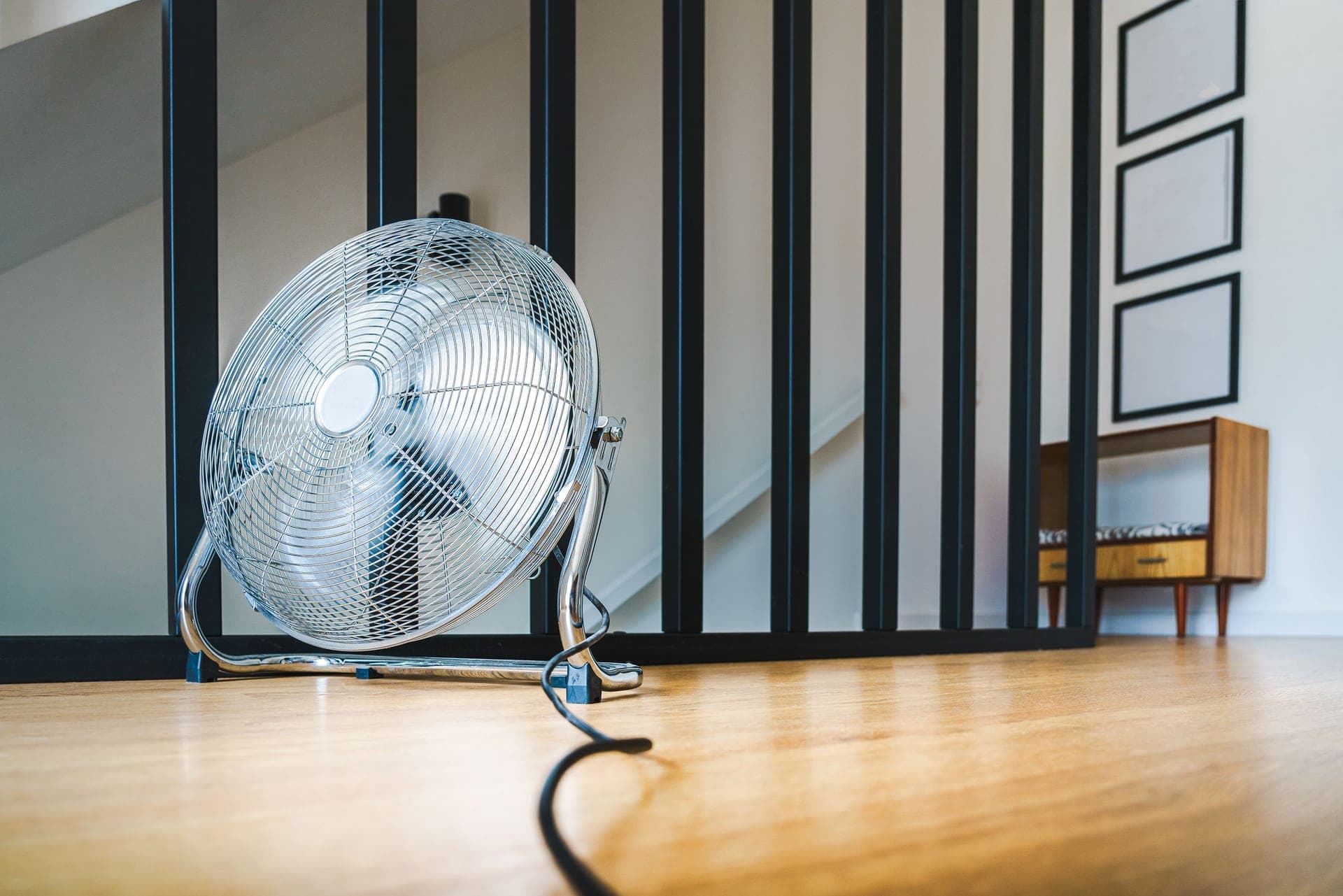
The fan. Airflow is the only specification that matters, and it has to be aimed at the torso and face from the front. A fan that evaporates sweat from skin before it drips is the one item here that reduces the problem rather than catching it. Our fan roundup ranks the field on airflow; the short version is that a desk fan is not enough and a high-velocity blower is.
The mat. Long enough to sit under both wheels and the trainer, wipe-clean, and dense enough to damp vibration. Our mat roundup covers the options; for sweat alone almost any wipe-clean mat works, and the vibration job is what separates them.
| Sweat guard | Fan | Trainer mat | Wipe-down | |
|---|---|---|---|---|
| Headset and stem bolts | Yes | Reduces | No | Yes |
| Top tube and seat clamp | Yes | Reduces | No | Yes |
| Bars, tape and shifters | No | Reduces | No | Yes |
| Drivetrain and trainer | No | Reduces | Catches drips | Yes |
| Floor | No | No | Yes | No |
| Cost | Very low | Low to mid | Low to mid | A cloth |
The short answer
The kit that does the job
| # | Product | Best for | Score | Price |
|---|---|---|---|---|
| 1 | 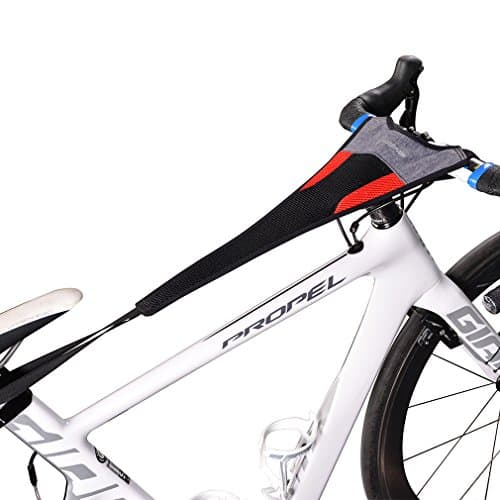 ROCKBROS Bike Trainer Sweat Net The cheapest insurance in cycling: a strip of mesh between the most corrosive thing in the room and the most expensive. | The sweat guard: covers the top tube, stem and headset | 9.09.0 out of 10 | $11.99 · View on Amazon #ad We may earn a commission · Price as of September 18, 2026 |
| 2 | 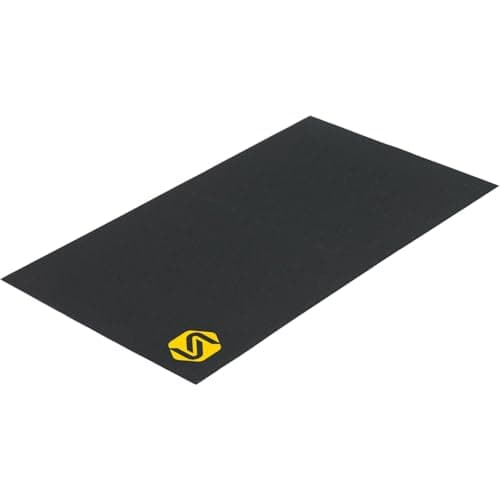 Saris Trainer Mat Protects the floor rather than the bike, but the sweat that misses the guard has to land somewhere — and salt in a carpet or a hardwood seam is permanent. | The floor: catches what the guard misses | 8.48.4 out of 10 | $79.99 · View on Amazon #ad We may earn a commission · Price as of September 18, 2026 |
| 3 | 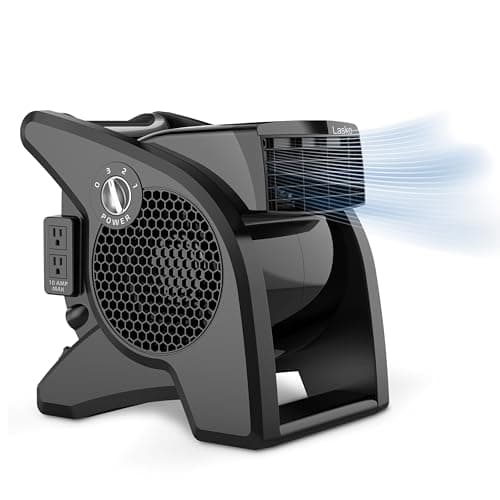 Lasko U15617 The only item on this page that reduces the sweat rather than catching it — and a serious fan reduces it a lot. | The fan: less sweat in the first place | 8.58.5 out of 10 | $93.99 · View on Amazon #ad We may earn a commission · Price as of September 18, 2026 |
| 4 | 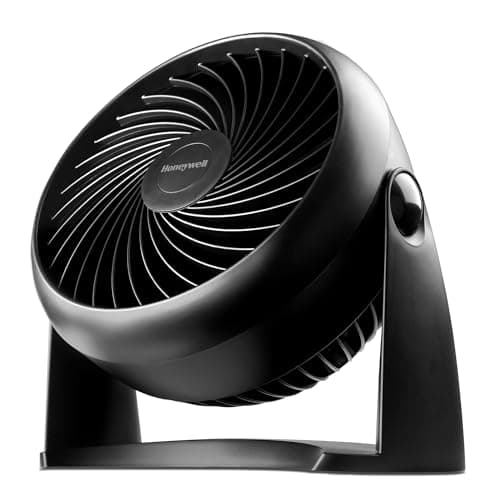 Honeywell HT-900 TurboForce Not the main fan — the second one, aimed at the face, that turns a tolerable session into a comfortable one. | The second fan, or the small-room fan | 8.08.0 out of 10 | $18.79 · View on Amazon #ad We may earn a commission · Price as of September 18, 2026 |
The routine that finishes the job
Equipment catches most of it. What it does not catch, a routine does. After every ride, wipe the bars, hoods, stem and top tube with a damp cloth — not a dry one, which smears the salt around — and let the bike dry with the fan still running. Hang the sweat guard to dry rather than leaving it on the bike, and wash it with your kit. Once a month, drop the stem cap and wipe the top of the steerer and the bolts; a smear of grease on the stem bolt threads and the top cap bolt prevents them seizing. Once a season, ideally at the end of the indoor winter, drop the fork out and check the upper headset bearing; if it feels gritty, it is a cheap part to replace and an expensive one to ignore. Re-wrap bar tape at the same time if it has been a full winter under a sweaty pair of hands.
The trainer itself gets a wipe of its casing after each ride; Wahoo's published advice is a damp, soft cloth and no strong cleaning agents, which is sensible for any trainer. If you run a wheel-on trainer, check the roller for salt build-up, which raises noise and wears the trainer tire faster.
If you want to sweat less
Airflow first; nothing else comes close. Then room temperature — a garage in January needs less of this page than a spare bedroom with the heating on, which is one reason the garage pain cave is popular. Then clothing: a light jersey or none, and a headband or cap that catches forehead sweat before it drips, which is the single cheapest addition to the list above. And drink; dehydration does not reduce sweat as much as it reduces performance.
Building the rest of the setup?
See the full indoor cycling accessories checklistThe full reviews
Every pick, in detail
The sweat guard: covers the top tube, stem and headset
ROCKBROS Bike Trainer Sweat Net
9.09.0 out of 10#ad We may earn a commission · Price as of September 18, 2026
The cheapest insurance in cycling: a strip of mesh between the most corrosive thing in the room and the most expensive.
- Type
- Frame sweat guard, bars to seatpost
- Covers
- Stem, headset, top tube, seat clamp
- Material
- Absorbent mesh
- Care
- Machine washable
- Fit
- Most road and gravel frames; adjustable straps
What we'd praise
- Sits exactly where sweat lands — over the stem, headset and top tube — and catches it before the frame does
- Straps to the bars and seatpost, so it fits nearly any bike with nothing to measure
- Washes with the kit; cheap enough to own two and rotate
What we'd flag
- Needs washing every few rides or it becomes the smell of the room
- Does not cover the bars, shifters or brake levers, which still need a wipe
- A mesh over the top tube is not elegant; you will not care by February
A sweat guard is a strip of absorbent fabric that straps between the handlebars and the seatpost and covers the stem, headset and top tube — the exact zone where sweat drips off a rider bent over the bars. The ROCKBROS version is the one we list because it fits almost anything and costs almost nothing. It also appears in our stocking stuffers list for the same reason.
The floor: catches what the guard misses
Saris Trainer Mat
8.48.4 out of 10#ad We may earn a commission · Price as of September 18, 2026
Protects the floor rather than the bike, but the sweat that misses the guard has to land somewhere — and salt in a carpet or a hardwood seam is permanent.
- Size
- 36 x 59 in
- Material
- Textured PVC foam
- Thickness
- Medium, dense
- Wipe-clean
- Yes
What we'd praise
- Long enough to sit under both wheels and the trainer, which is where sweat and drivetrain grime actually land
- Wipes clean; a damp cloth after a ride and the floor underneath never sees a drop
- Damps vibration and stops the trainer walking on hard floors, which is the second reason to own one
What we'd flag
- Rolls, but does not fold, so it lives on the floor
- Costs more than a generic yoga mat that does most of the sweat job — but not the vibration job
The guard catches what falls on the bike; the mat catches what falls past it. A trainer mat also stops the trainer's feet walking on a hard floor and takes vibration out of the room below, which is why it earns its place in our trainer mat roundupeven for riders who sweat lightly. Saris's is the one we rank first there.
The fan: less sweat in the first place
Lasko U15617
8.58.5 out of 10#ad We may earn a commission · Price as of September 18, 2026
The only item on this page that reduces the sweat rather than catching it — and a serious fan reduces it a lot.
- Type
- High-velocity blower
- Airflow
- Very high, focused stream
- Speeds
- 3
- Pivot
- Full 360 degrees
- Smart control
- No
What we'd praise
- Moves enough air to actually evaporate sweat from skin, which is the only thing that reduces how much ends up on the bike
- Pivots to aim at the torso from the floor, where a desk fan cannot
- The value pick in our fan roundup for exactly this job
What we'd flag
- Loud on high, and no remote or app control
- Industrial-looking; this is a workshop fan, not a living-room one
Indoors there is no 25 km/h of air stripping sweat off your skin, so it pools and drips. A fan that moves real air puts some of that evaporation back, and the difference between a desk fan and a high-velocity blower is the difference between a damp jersey and a puddle. The Lasko is our value high-airflow pick in the fan roundup, which ranks the whole field on airflow.
The second fan, or the small-room fan
Honeywell HT-900 TurboForce
8.08.0 out of 10#ad We may earn a commission · Price as of September 18, 2026
Not the main fan — the second one, aimed at the face, that turns a tolerable session into a comfortable one.
- Type
- Compact turbo
- Airflow
- Reaches up to 27 ft (claimed)
- Speeds
- 3
- Adjustment
- Pivots 90 degrees
- Smart control
- No
What we'd praise
- Cheap enough to be the second fan — one on the torso, one on the face — which is how most riders end up cooling properly
- Small footprint for an apartment setup
- Quieter than the Lasko at comparable settings
What we'd flag
- Not enough air on its own for a hard session in a warm room
- Sits low; needs a shelf or box to aim at the chest
Two fans beat one big fan for most riders: a blower on the torso and a smaller one on the face and hands. The Honeywell is the budget pick in our fan roundup and the natural second fan, and in a small apartment room it may be the only one that fits — our apartment pain cave guide covers that layout.
Good questions
Frequently asked questions
Does sweat damage a bike on a trainer?
Yes, over a season. Sweat is salt water, and on a trainer it lands repeatedly on the stem, headset, top tube and bars with no airflow to dry it. It corrodes aluminum, rusts steel bolts, pits headset bearings and etches paint. A sweat guard, a fan and a post-ride wipe prevent nearly all of it.
What is a bike trainer sweat guard?
A strip of absorbent fabric that straps between the handlebars and the seatpost, covering the stem, headset cap and top tube. It catches sweat before it reaches the frame and is machine washable. It is the cheapest and most effective single item for protecting a bike on a trainer.
Does a sweat guard protect the headset?
Mostly. A guard that covers the stem and top cap catches the sweat that would otherwise run down the steerer into the upper bearing. It does not cover the bars or shifters, and you should still drop the stem cap periodically to wipe and grease the bolts.
Do I need a mat under a bike trainer?
For sweat, a mat protects the floor rather than the bike, catching drips that miss the guard. It also stops the trainer walking on hard floors and damps vibration into the room below, which is the reason most riders end up with one even if they sweat lightly.
Does a fan reduce sweat on the trainer?
It is the only thing on this page that reduces sweat rather than catching it. Moving air evaporates sweat from the skin before it drips, which is what happens outdoors. A desk fan is not enough; a high-velocity blower aimed at the torso from the front is.
Is sweat bad for a carbon frame?
Sweat does not harm carbon fiber itself, but it corrodes the metal parts that pass through a carbon frame — stem bolts, the seat clamp, the headset bearings, an aluminum seatpost — and it dulls the paint. A seized aluminum seatpost in a carbon frame is a common trainer casualty.
How often should I clean my bike after riding on a trainer?
Wipe the bars, hoods, stem and top tube with a damp cloth after every ride and let the bike dry. Drop the stem cap and wipe and grease the bolts monthly. Check the upper headset bearing once a season, and wash the sweat guard with your kit.
How we sourced this
Keep going