The Supporting Cast
The Indoor Cycling Accessories Checklist, In Priority Order
You've got the trainer. This is everything else that turns a bike bolted to a flywheel into a pain cave you actually want to ride, ranked by what to buy first.
The trainer gets all the attention and eats most of the budget, but the gap between a bike bolted to a flywheel and a pain cave you look forward to riding is the supporting cast — the accessories. The trouble is that budgets are finite and the internet will happily sell you a riser block before a fan. So this is the whole list in the order that actually matters: what to buy first, what can wait, and what to skip until the basics are covered.
A note on how to read this: we don't sell any of it and we don't claim to have bench-tested it — our method is on the how we review page. What follows is the priority order an upgrading rider would actually spend in, with each category linking out to the full roundup where we compare the specific products.
The must-haves
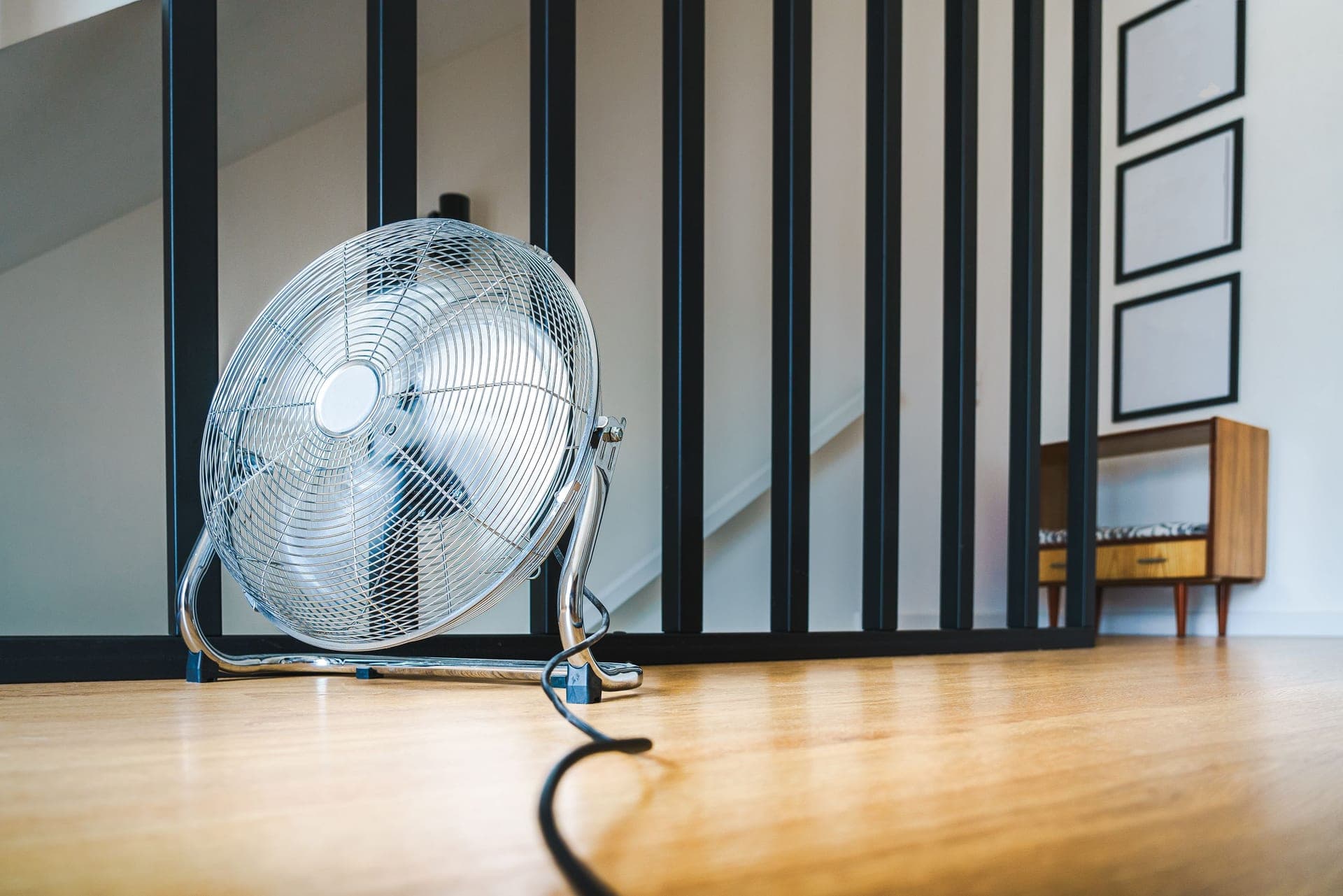
1. A real fan — buy this first
Nothing on this list changes your rides as much as a proper fan, because indoors you produce the same heat as riding outside but generate none of your own wind. Evaporative cooling stops, your core temperature climbs, your heart rate drifts up for the same power, and the ride ends early. A high-airflow fan puts the missing wind back and is, by a distance, the highest-return thing you can buy. What to look for:
- Real air speed, not just a high CFM number — a blower or high-velocity fan you can lean into beats a big tower fan that spreads air thin.
- Position over power: air onto your head, chest and thighs, mounted high enough to hit your face.
- Smart auto-ramping is a luxury, not extra cooling — nice if you'll pay for it, skippable if you won't.
We compare the smart, value, budget and compact picks in best fans for indoor cycling.
2. A trainer mat
The mat is the quiet fix for three problems at once: it deadens the low-frequency vibration that travels through a hard floor and reads as a drone downstairs, it catches the sweat no fan fully evaporates, and it protects your floor from a heavy trainer and a shifting bike. It won't make you faster, but skip it and you'll notice all three problems fast. What to look for:
- Thickness and density if noise is the concern — thicker, denser mats absorb more vibration.
- A footprint long enough that the trainer and front wheel both sit on it with room for your feet.
- A wipe-clean, closed-cell surface that resists soaking up sweat.
We rank the options on size, thickness and material in best bike trainer mats.
3. A screen and a way to hold your gear
This is the one that keeps you coming back. A structured app on a screen you can actually see — a laptop, a tablet on a stand, a TV on the wall — turns a grim stare at a stem into a session you'll repeat. You also need somewhere to put a phone, a bottle and a towel within reach. It doesn't have to be expensive, but it has to exist. What to look for:
- A screen big enough to read data and follow a course from the saddle.
- A stable stand or desk so a bottle and phone stay in reach without you stopping.
- A power outlet nearby — nothing kills a session like a dead tablet mid-interval.
We cover screens, desks and the whole room layout in the complete pain cave setup guide.
4. A cadence (and maybe speed) sensor
This one's conditional. A modern direct-drive smart trainer already broadcasts cadence, so you may not need a thing. But if you ride a spin bike or gym bike with no electronics, a classic wheel-on trainer, or you want a redundant cadence source, a small sensor fills the gap for the price of a couple of bidons. What to look for:
- Dual-band Bluetooth and ANT+ so it pairs with every app and head unit.
- A magnet-less design that straps to the crank arm or shoe and sets up in a minute.
- A speed sensor too, if your wheel-on trainer needs to report virtual distance.
We compare them on connectivity, mount and battery in best cadence sensors.
One must-have is missing from most lists because it costs almost nothing: a sweat guard over the stem and top tube. Our bike trainer sweat protection guide explains what a winter of sweat does to a headset and the three things that prevent it.
The nice-to-haves
5. A dedicated sweat towel
Indoor sweat is corrosive — it's salty, it drips onto your bolts, stem and top tube, and over months it eats hardware. A cheap dedicated towel draped over the bars catches most of it and saves you a repair bill. Some riders add a sweat guard that clips from bars to seatpost. It's a few dollars that protects a much more expensive bike, which is why it sits at the top of the nice-to-haves.
- Keep it bike-only so you're not reaching for a fresh towel every ride.
- Consider a bar-to-post sweat guard if you drip heavily onto the frame.
6. Chamois cream
Indoor riding is static — you don't shift position or coast the way you do outdoors, so the same contact points take pressure for the whole session. On anything past an hour, chamois cream is the difference between finishing comfortable and cutting it short. Not essential for short spins; genuinely worth it once your sessions stretch out.
7. Headphones
Here's the catch nobody mentions: once you own a fan that actually cools you, it's loud, and it drowns out a workout's audio cues and your music. A decent pair of sweat- resistant headphones fixes that. It's a comfort upgrade, not a performance one, but it makes the fan-and-screen setup a lot more livable. Our best headphones for indoor cycling roundup ranks them on the two things that decide it indoors: the sweat rating and whether you want to hear the room or block the fan.
- Sweat- and water-resistant, since indoor sessions are brutal on electronics.
- Open or bone-conduction styles if you like to hear the room as well.
8. A front-wheel riser block
With most direct-drive trainers your rear axle sits lower than a normal ride height, so a small block under the front wheel levels the bike back out. It's a real comfort tweak for some riders and completely unnecessary for others — plenty of setups don't need one at all, and a sturdy book does the same job in a pinch. Buy it last, if ever.
Start at the top of the list?
See our best fans for indoor cycling →The one-line takeaway
If you only remember one thing: buy the fan first. Everything above it in your cart — the riser, the fancy sensor, the headphones — is a distraction until the room can keep you cool. Work down the list, stop when the budget runs out, and see how the whole thing fits together in the complete pain cave setup guide.
On the desk line specifically, our Wahoo Kickr Desk V2 review works through whether the purpose-built version is worth four times a rolling laptop cart.
Good questions
Frequently asked questions
What's the first indoor cycling accessory I should buy?
A high-airflow fan, without question. Indoors you generate no wind of your own, so evaporative cooling stops and hard rides end early from heat. A proper fan aimed at your face and torso is the single highest-return purchase in the pain cave, ahead of a mat, a screen, sensors or anything else on the list.
Do I need a cadence sensor for indoor cycling?
Only sometimes. A modern direct-drive smart trainer already broadcasts cadence, so many riders don't need one. You do need a separate sensor for a spin bike or gym bike with no electronics, a classic wheel-on trainer, or if you want a redundant cadence source. If your trainer already reports cadence, spend the money elsewhere first.
What's the difference between a must-have and a nice-to-have accessory?
The must-haves change whether and how well you ride: a fan lets you finish hard efforts, a mat handles noise and sweat, a screen keeps you engaged, and a sensor fills in missing data. The nice-to-haves, a sweat towel, chamois cream, headphones and a riser block, make the experience more comfortable but won't stop you training if you skip them.
Is a front-wheel riser block necessary?
Rarely. With most direct-drive trainers the rear sits a little lower than normal ride height, and a riser levels the bike back out, which some riders find more comfortable. Plenty of setups are fine without one, and a sturdy book does the same job in a pinch. It's the last thing to buy, if you buy it at all.
How much should I budget for indoor cycling accessories?
Less than the trainer, and you can spread it out. Prioritize a good fan and a mat first, add a screen setup and a sensor if you need one, then pick up the comfort items over time. Work down the priority list and stop when the budget runs out; the top of the list delivers far more per dollar than the bottom.
How we sourced this
Keep going
Read these next
- AccessoriesBike Trainer Sweat Protection
- Gift GuideGifts for Someone New to Indoor Cycling
- AccessoriesThe Best Heart Rate Monitors
- AccessoriesThe Best Trainer Desks
- ReviewWahoo Kickr Climb Review
- AccessoriesBest Fans for Indoor Cycling
- AccessoriesBest Headphones for Indoor Cycling
- AccessoriesBest Bike Trainer Mats
- AccessoriesBest Cadence Sensors
- Indoor SetupBuild Your Pain Cave: The Complete Setup
- AccessoriesThe Best Cassettes for Smart Trainers
- AccessoriesThe Best Trainer Tires
- AccessoriesThe Best Front Wheel Riser Blocks