Power Meters
Garmin Rally Alternatives, Ranked
The Rally's real selling point is not the watts — every rival claims the same ±1%. It is the interchangeable pedal body. Here is which alternatives match the measurement, which beat the battery, and what the body swap is actually worth.
The short answer
Quick picks
| # | Product | Best for | Score | Price |
|---|---|---|---|---|
| 1 | 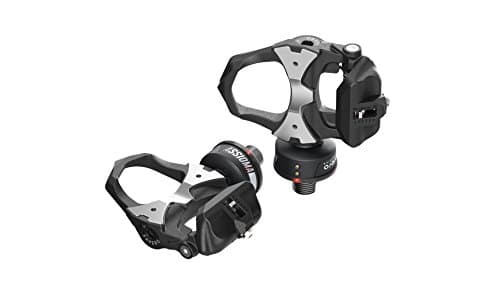 Favero Assioma Duo Best for the Look Keo rider who wants dual-sided ±1% power without paying Rally money for it. | Best Garmin Rally alternative overall | 8.98.9 out of 10 | $531.10 · View on Amazon #ad We may earn a commission · Price as of November 22, 2026 |
| 2 | 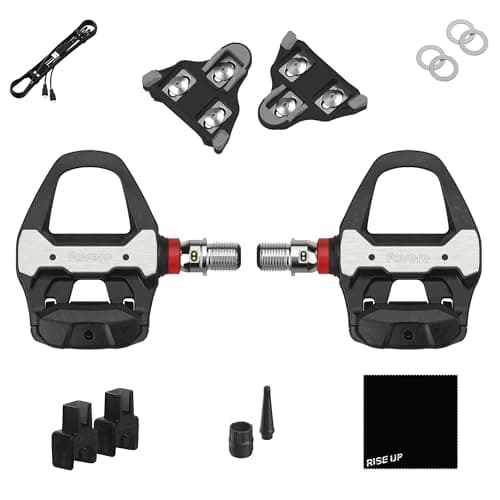 Favero Assioma Pro RS-2 Best for the SPD-SL rider cross-shopping a Rally RS210 who wants substantially more battery life. | Best alternative on Shimano SPD-SL cleats | 8.98.9 out of 10 | $804.99 · View on Amazon #ad We may earn a commission · Price as of November 22, 2026 |
| 3 | 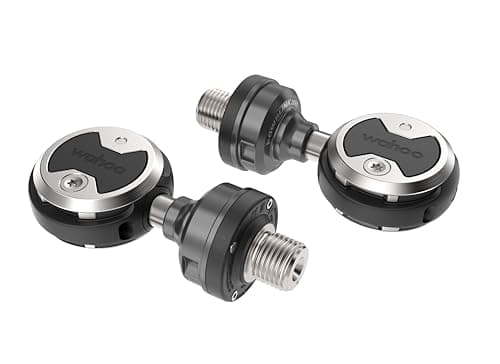 Wahoo Powrlink Zero Best for the Speedplay rider — the one cleat system a Garmin Rally body kit cannot reach. | Best alternative if you ride Speedplay | 8.68.6 out of 10 | $772.97 · View on Amazon #ad We may earn a commission · Price as of November 22, 2026 |
| 4 | 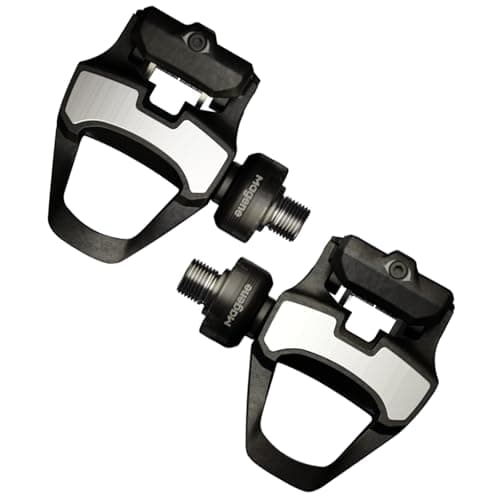 Magene P715 S Best for the rider who wants the Rally's dual-sided numbers at a meaningfully lower price. | Best dual-sided alternative at a lower price | 8.58.5 out of 10 | |
| 5 | 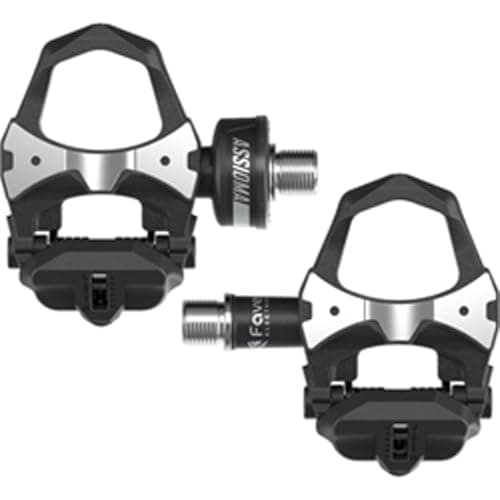 Favero Assioma Uno Budget pick: the cheapest way to a ±1% pedal-based number, if a single sensor is acceptable. | Budget pick: cheapest ±1% alternative | 8.48.4 out of 10 |
The Garmin Rally is a well-engineered power meter and the things it is known for are all published. Garmin lists ±1% claimed accuracy across the range, a rechargeable lithium-ion battery on the RS210 rated up to 90 hours with a 15-minute charge buying about 12 hours of riding, an IPX7 water rating, ANT+ plus Bluetooth plus Secure Bluetooth, and cycling dynamics metrics when paired with a compatible Edge. The RK200 uses replaceable LR44 coin cells instead.
Its genuinely distinctive feature is structural: the Rally is a sensing spindle inside an interchangeable pedal body, so one meter can be a Look Keo pedal, a Shimano SPD-SL pedal or a two-bolt SPD pedal depending on which body kit is fitted. No other brand sells that. So the useful question for anyone shopping alternatives is whether you need the body swap — because if you do not, several pedals match the measurement for less.
Decide this first: do you need the interchangeable body?
You need it if you are genuinely between cleat systems — Keo shoes now and Shimano next season, or one meter shared between a road bike and a gravel bike on different pedals. That is a real use case and nothing on this page serves it.
You do not need it if, like most riders, you have been on the same cleat system for years and intend to stay there. In that case the body swap is an option you are paying for and will never exercise, and the alternatives below are straightforwardly better value.
Then match on the specification you actually care about
Accuracy. Every pedal on this page publishes ±1%, the same as the Rally. There is no accuracy argument to be had here, and anyone telling you otherwise is comparing marketing rather than specifications. How accurate are power meters explains what the figure describes.
Battery.This is where the Rally is beatable on paper. Garmin publishes up to 90 hours on the RS210; Favero publishes up to 160 on the Pro RS line and Magene 120 on the P715. The Powrlink Zero is the one that trails, at roughly 75. If you prefer replaceable cells to charging, the Rally RK200's LR44 format is a genuine advantage. How long power meter batteries last collects every published claim.
Cleat system.Look Keo: Assioma Duo or Uno. Shimano SPD-SL: Assioma Pro RS-2 or Magene P715 S. Speedplay: Powrlink Zero only. Two-bolt SPD: Favero's Assioma Pro MX line, which the mountain bike power meter roundup ranks.
Ecosystem data. Cycling dynamics — seated and standing time, platform center offset, power phase — is Garmin-only and needs a compatible Edge to display. If you use it, that is a reason to buy a Rally. If you have never opened that screen, it is not.
| Pedal | Cleat | Sided | Claimed accuracy | Published battery |
|---|---|---|---|---|
| Garmin Rally RS210 (the reference) | SPD-SL; converts via body kit | Dual-sensing | ±1% | Up to 90 h, 15 min ≈ 12 h |
| Garmin Rally RK200 (the reference) | Look Keo; converts via body kit | Dual | ±1% | LR44 coin cells |
| Favero Assioma Duo | Look Keo | Dual | ±1% | Rechargeable, magnetic |
| Favero Assioma Pro RS-2 | SPD-SL, native | Dual | ±1% | Up to 160 h, 15-min fast charge |
| Wahoo Powrlink Zero | Speedplay | Dual | ±1% | ~75 h rechargeable |
| Magene P715 S | SPD-SL, native | Dual | ±1% | 120 h, ~3 h magnetic charge |
| Favero Assioma Uno | Look Keo | Single-sided | ±1% | Rechargeable |
What none of these alternatives replace
Two things, and both are worth weighing honestly before you switch. The first is the body swap, covered above. The second is integration: if you ride a Garmin Edge, a Rally appears in it with cycling dynamics, firmware updates and sensor management handled inside one app and one account. Every alternative here broadcasts standard ANT+ and Bluetooth power, which any Edge reads perfectly — you simply lose the extra metrics and the single-app tidiness.
If you are coming at this from the other direction and want to know what the Rally does better than a Favero, we wrote that comparison rather than hiding it: Favero Assioma vs Garmin Rally.
The verdict
Favero Assioma Duo if you are on Look Keo and want dual-sided ±1% for less. Favero Assioma Pro RS-2 if you are on Shimano SPD-SL and want nearly double the battery claim. Wahoo Powrlink Zero if you ride Speedplay, where there is no competition. Magene P715 S if price is the binding constraint and one Bluetooth connection is enough. Favero Assioma Uno as the budget pick, if a single sensor will do. And buy the Rally itself if the interchangeable body or cycling dynamics is the reason you were looking.
Still comparing?
See every power meter pedal, rankedIf the conclusion is that a Rally is right and only the model is in doubt, the best Garmin power meters decodes the naming scheme — the letters are your cleats, the first digit is how many legs it measures, the last digit is the battery — and ranks the range on that basis.
The full reviews
Every pick, in detail
#1 · Best Garmin Rally alternative overall
Favero Assioma Duo
8.98.9 out of 10#ad We may earn a commission · Price as of November 22, 2026
Best for the Look Keo rider who wants dual-sided ±1% power without paying Rally money for it.
- Type
- Dual-sided power meter pedals
- Claimed accuracy
- ±1%
- Cleat system
- Look Keo compatible
- Power
- Rechargeable, magnetic charging
- Connectivity
- Bluetooth and ANT+
- Install time
- Minutes, with a pedal wrench
What we'd praise
- Matches the Rally's ±1% claim and dual-sided measurement, usually for less money
- Magnetic charging clips on without a port to corrode in a sweaty room
- The longest-running power meter pedal platform on the market, with an established spares network
- Takes Look Keo cleats, the same as a Garmin Rally RK
What we'd flag
- No interchangeable body — it is a Look Keo pedal and stays one
- No cycling dynamics on a Garmin head unit
- Rechargeable, so a flat pedal needs a charger rather than a spare cell
If you were looking at a Garmin Rally RK200 — the Look Keo, dual-sided version — the Assioma Duo is the straight substitution. Same cleat system, same ±1% claim, same dual-sided measurement, same ANT+ and Bluetooth broadcasting, and it has been in production long enough that spares and service are a solved problem. Favero charges it magnetically, which is one fewer port to corrode in a room where sweat runs down the crank.
What you do not get is the Rally's interchangeable body or Garmin's cycling dynamics metrics on an Edge. If neither of those is why you were considering the Rally, this is the cheaper way to the same number. Favero Assioma vs Garmin Rally is the full brand comparison, and our Assioma Duo review covers the pedal alone.
#2 · Best alternative on Shimano SPD-SL cleats
Favero Assioma Pro RS-2
8.98.9 out of 10#ad We may earn a commission · Price as of November 22, 2026
Best for the SPD-SL rider cross-shopping a Rally RS210 who wants substantially more battery life.
- Cleat system
- Shimano SPD-SL, native
- Sided
- Dual-sided
- Claimed accuracy
- ±1% (IAV Power System)
- Battery
- Up to 160 hours, 15-minute fast charge
- Weight / stack
- 124.8 g per pedal, 10.5 mm stack
- Connectivity
- ANT+, Bluetooth
What we'd praise
- 160-hour published runtime against the Rally RS210's 90 hours
- 10.5 mm stack height, which moves your effective saddle height less
- Native Shimano SPD-SL, like a Rally RS body, with no conversion step
- 15-minute fast charge, the same convenience the Rally advertises
What we'd flag
- No interchangeable body — SPD-SL only
- No cycling dynamics on a Garmin head unit
- Favero publishes fitting restrictions: no extenders, no shorteners, 15 mm crank thread limit
This is the pedal to put next to a Garmin Rally RS210, because they target exactly the same rider: SPD-SL cleats, dual-sided measurement, ±1% claimed. The specification that separates them is runtime. Favero publishes up to 160 hours per charge with a 15-minute fast charge; Garmin publishes up to 90 hours on the RS210, with 15 minutes buying about 12 hours of riding.
The Rally keeps two advantages: the interchangeable body, and cycling dynamics inside the Garmin ecosystem. If you own an Edge and use that data, they matter. If you own an Edge and only look at watts, this pedal gives you the same watts for longer between charges. Our Assioma Pro RS review has the detail.
#3 · Best alternative if you ride Speedplay
Wahoo Powrlink Zero
8.68.6 out of 10#ad We may earn a commission · Price as of November 22, 2026
Best for the Speedplay rider — the one cleat system a Garmin Rally body kit cannot reach.
- Cleat system
- Speedplay (Wahoo)
- Sided
- Dual-sided
- Claimed accuracy
- ±1%
- Battery
- Rechargeable (~75 hr)
- Connectivity
- Bluetooth, ANT+
- Float
- Adjustable, dual-entry
What we'd praise
- The only power meter pedal here on the Speedplay platform — a Rally cannot be converted to it
- Dual-entry pedals: clip in from either side, which nothing else on this page does
- Adjustable float, which Speedplay riders generally will not give up
- ±1% claimed and dual-sided, matching the Rally
What we'd flag
- ~75-hour battery claim, the shortest of the alternatives here
- Speedplay cleats are a commitment; nothing else here fits them
- Priced close to a Rally rather than below it
Garmin's interchangeable bodies cover Look Keo, Shimano SPD-SL and two-bolt SPD. They do not cover Speedplay, and that is the entire reason this pedal is on the page. If your shoes are set up for Speedplay and you would rather not change cleat system to get power, the Powrlink Zero is the answer: dual-sided, ±1% claimed, Bluetooth and ANT+, with Speedplay's adjustable float and dual-sided entry.
Battery is where it trails: a roughly 75-hour claim against Favero's 160 and Garmin's 90. Our Wahoo Powrlink Zero review covers it alone, and power meter pedals and cleats maps every cleat system to the pedals that fit it.
#4 · Best dual-sided alternative at a lower price
Magene P715 S
8.58.5 out of 10Best for the rider who wants the Rally's dual-sided numbers at a meaningfully lower price.
- Cleat system
- Shimano SPD-SL (S version)
- Sided
- Dual-sided
- Claimed accuracy
- ±1%
- Battery
- 120 hours claimed, magnetic charge in about 3 hours
- Connectivity
- One Bluetooth connection plus unlimited ANT+, IPX7
- Variants
- S for Shimano SPD-SL, K for Look Keo
What we'd praise
- Dual-sided ±1% measurement for well under Rally money
- A 120-hour claim, above the Rally RS210's 90 hours
- IPX7, matching the Rally's published rating
- Sold in Shimano SPD-SL and Look Keo variants, so it covers both common cleat choices
What we'd flag
- One simultaneous Bluetooth connection only, where the Rally publishes ANT+, Bluetooth and Secure Bluetooth
- Smallest US service and spares network of the brands here
- No interchangeable bodies and no cycling dynamics
The price-led alternative. The P715 measures both legs, claims ±1%, publishes a 120-hour runtime — longer than the Rally RS210's 90 — carries an IPX7 rating, and comes in both a Shimano SPD-SL (S) and a Look Keo (K) variant, which between them cover the two cleat systems most Rally shoppers are on.
Read the connectivity line before buying. Magene publishes one simultaneous Bluetooth connection plus unlimited ANT+, where Garmin lists ANT+, Bluetooth and Secure Bluetooth on the Rally. If you want an app and a head unit watching the pedals at once over Bluetooth, that is a real difference; on ANT+ it is not. Magene P715 vs Favero Assioma is the comparison.
#5 · Budget pick: cheapest ±1% alternative
Favero Assioma Uno
8.48.4 out of 10Budget pick: the cheapest way to a ±1% pedal-based number, if a single sensor is acceptable.
- Type
- Pedal-based, single-sided
- Claimed accuracy
- ±1%
- Cleat system
- Look Keo compatible
- Fitting
- Pedal wrench, five minutes
- Upgrade path
- Add the second pedal for dual-sided
- Connectivity
- ANT+, Bluetooth
What we'd praise
- The cheapest ±1% pedal in this registry, by a wide margin against any Rally
- Upgradeable to dual-sided by buying the second pedal rather than a new meter
- Look Keo cleats, like a Rally RK
- Five-minute installation and transfer between bikes
What we'd flag
- Single-sided, so left/right balance is assumed rather than measured
- Look Keo only, with no conversion option
- An older platform than Favero's Pro RS line
The budget pick, and the right alternative for anyone who was looking at a Rally RK100 — the single-sensing, Look Keo version. The Uno is the same proposition for less: ±1% claimed, Look Keo, single-sided, five minutes with a pedal wrench, and upgradeable later by buying the second pedal.
The honest distinction between them is battery format. Garmin uses replaceable cells with a roughly 120-hour claim; Favero is rechargeable. Some riders strongly prefer a cell they can swap in two minutes. The best power meter pedals under $500 ranks both in the same band.
Good questions
Frequently asked questions
What is the best alternative to a Garmin Rally?
The Favero Assioma Duo for most riders. It takes the same Look Keo cleats as a Rally RK, measures both legs, claims the same ±1% accuracy, broadcasts on ANT+ and Bluetooth, and usually costs less. What it does not offer is the Rally's interchangeable pedal body or Garmin's cycling dynamics metrics on an Edge.
Is the Favero Assioma as accurate as the Garmin Rally?
Both publish a ±1% claimed accuracy figure, so on paper there is nothing between them. The differences that are actually documented are battery format and runtime, cleat system, and whether the pedal body can be changed. Favero publishes up to 160 hours on its Pro RS line against Garmin's up to 90 hours on the RS210.
Can any other power meter pedal change cleat systems like a Garmin Rally?
No. The Rally is a sensing spindle inside an interchangeable body, which lets one meter become a Look Keo, Shimano SPD-SL or two-bolt SPD pedal via a Garmin body kit. No other brand in this registry offers that. If you genuinely need to change cleat system later, that is the strongest reason to buy a Rally rather than an alternative.
What is the alternative to a Garmin Rally for Speedplay cleats?
The Wahoo Powrlink Zero, and it is the only one. Garmin's Rally body kits cover Look Keo, Shimano SPD-SL and two-bolt SPD but not Speedplay. The Powrlink Zero is dual-sided, claims ±1%, broadcasts on Bluetooth and ANT+, and keeps Speedplay's adjustable float and dual-sided entry. Its battery claim is around 75 hours, the shortest here.
Is a cheaper power meter pedal worth the risk?
It depends which specification the price cut comes out of. The Magene P715 S measures both legs and claims ±1% like the Rally, and its documented compromises are one simultaneous Bluetooth connection and a smaller US service network — both knowable in advance. A single-sided pedal like the Favero Assioma Uno is cheaper again because it doubles one leg, which is a measurement compromise rather than a build one.
How we sourced this
- Garmin — Rally RS200/RS210 series specifications (±1%, up to 90 h, 15-minute charge, IPX7, cycling dynamics)
- Garmin — Rally power meter pedal body conversion kits
- Favero — Assioma specifications (Duo and Uno, ±1%, Look Keo, magnetic charging)
- Favero — Assioma PRO RS specifications (SPD-SL, ±1% IAV, 160 h, 10.5 mm stack)
- Wahoo — POWRLINK ZERO product page (Speedplay, dual-sided, ±1%, rechargeable)
- Magene — P715 power meter pedal specifications (dual-sided, ±1%, 120 h, one Bluetooth connection, IPX7)
Keep going