Power Meters
The Best Power Meter Pedals Under $500, Ranked
Under $500 the compromise is almost always the same one: one sensor instead of two. Here is which pedals make that trade best, which one refuses to make it at all, and what each cleat system costs you.
The short answer
Quick picks
| # | Product | Best for | Score | Price |
|---|---|---|---|---|
| 1 | 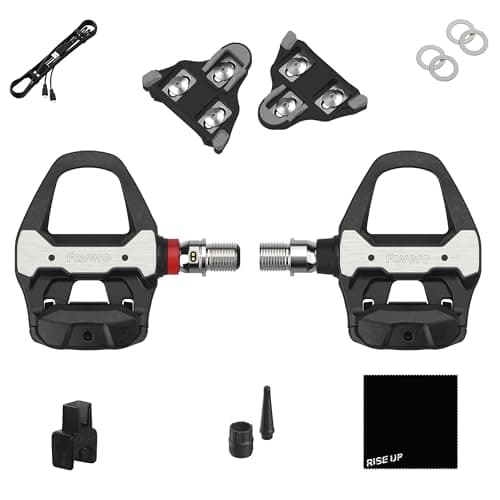 Favero Assioma Pro RS-1 Best for the rider who wants Favero hardware and a published upgrade path, and can live with one sensor for now. | Best overall under $500 | 8.88.8 out of 10 | $494.99 · View on Amazon #ad We may earn a commission · Price as of November 22, 2026 |
| 2 | 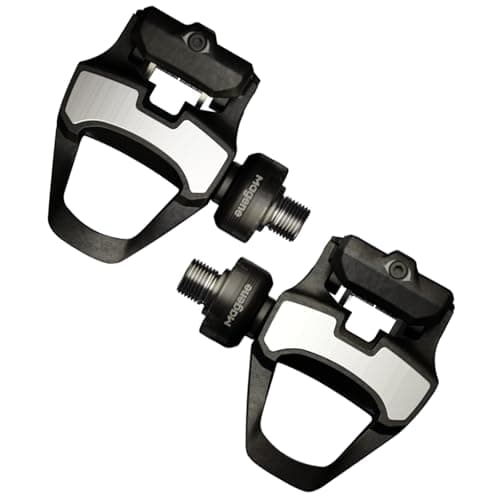 Magene P715 S Best for the rider who specifically wants measured left/right balance and will not pay flagship money for it. | Best dual-sided measurement under $500 | 8.58.5 out of 10 | |
| 3 | 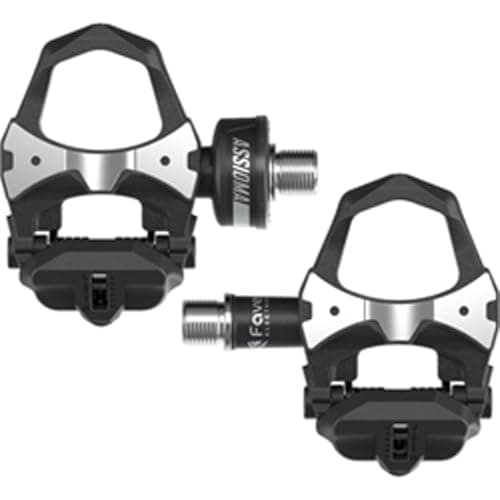 Favero Assioma Uno Budget pick: the cheapest way into a ±1% power meter that transfers between bikes in five minutes. | Budget pick: cheapest ±1% pedal here | 8.48.4 out of 10 | |
| 4 | 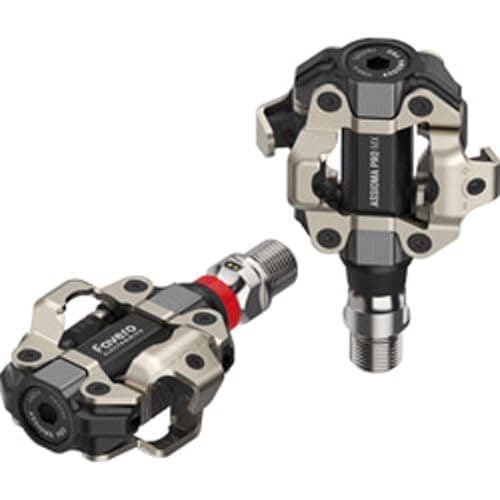 Favero Assioma Pro MX-1 Best for the rider whose shoes take two-bolt SPD cleats — gravel, mountain or indoor-only setups. | Best for SPD and off-road shoes | 8.68.6 out of 10 | $497.74 · View on Amazon #ad We may earn a commission · Price as of November 22, 2026 |
| 5 | 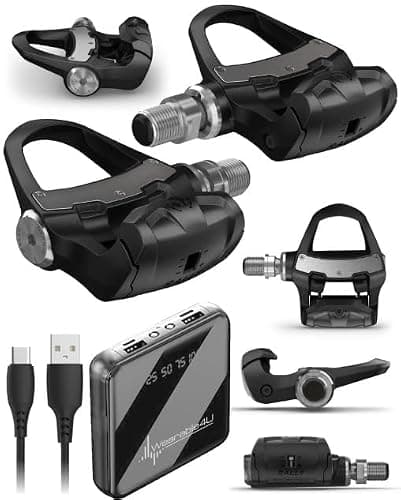 Garmin Rally RK100 Best for the rider inside the Garmin ecosystem, or anyone who would rather carry a spare cell than a charger. | Best if you want replaceable batteries | 8.58.5 out of 10 | $499.99 · View on Amazon #ad We may earn a commission · Price as of November 22, 2026 |
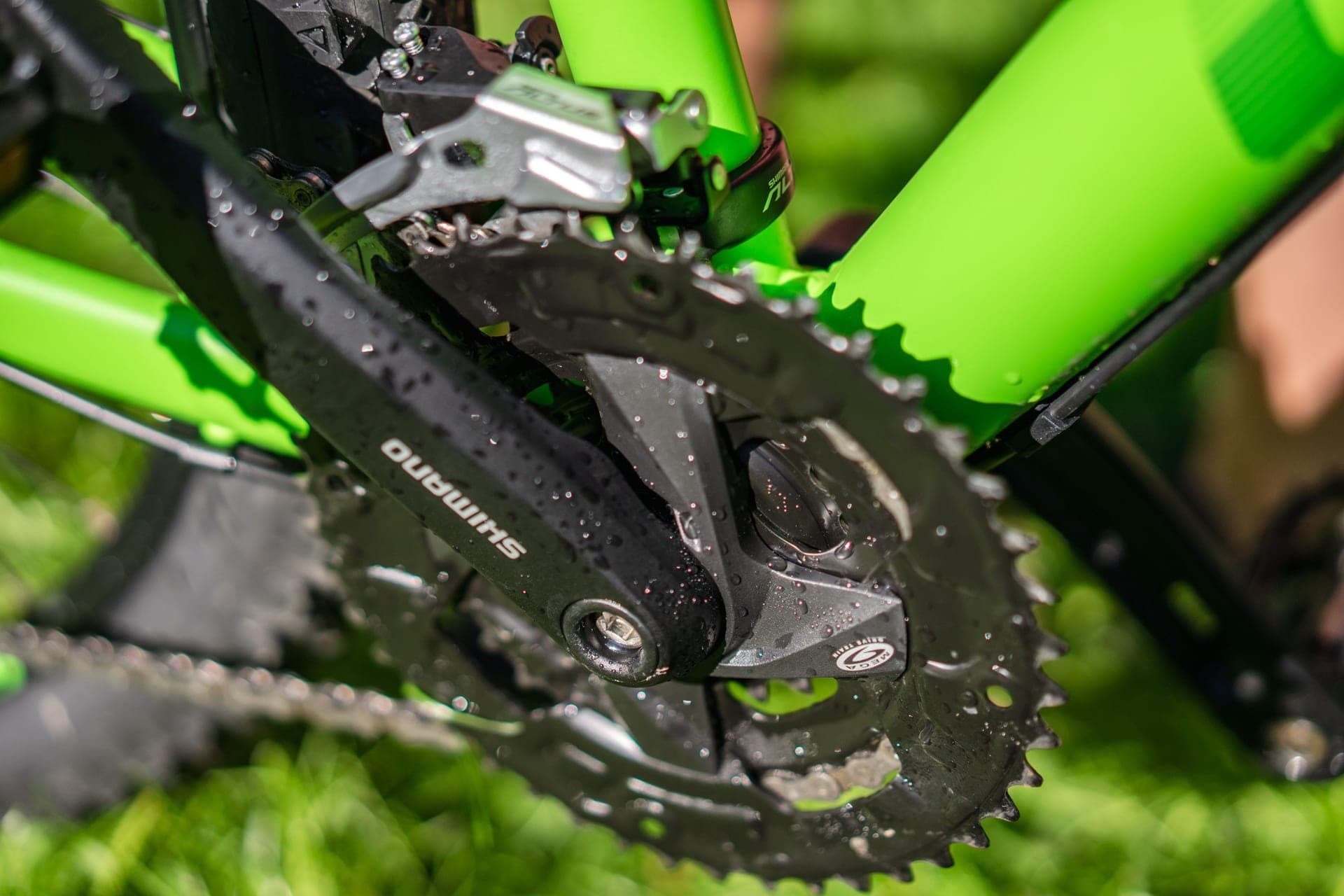
Pedal-based power has one advantage over every other format and it is worth stating before the ranking: it belongs to the rider rather than to the bike. A crank or spider meter is installed into one drivetrain and stays there; a pedal meter moves to the trainer bike, the summer bike and the bike you borrow, in about five minutes with a pedal wrench. For an indoor rider who wants a single power number that follows them onto the road, that is the whole argument.
Under $500, though, you are shopping inside a specific compromise, and it is almost always the same one. This page is about which pedals make it best. If price is not your binding constraint, the full power meter pedal ranking covers the dual-sided flagships above this band.
What $500 actually buys
It buys ±1%. Every pedal on this page publishes a ±1% accuracy claim, which is the same figure the flagships publish — the money above this band does not buy a better claim. It buys pedal-based convenience, ANT+ and Bluetooth, and in most cases a documented upgrade path.
What it usually does not buy is a second sensor. Four of these five pedals are single-sensing: they measure the left leg and double it. That is the compromise of the band, and it is important to be precise about what it costs, because the internet is not. A single-sensing meter is consistent — it reports the same way every ride, so zones, intervals and a fitness trend all hold together. What it is not is exact, because it assumes your legs are even. The size of that error is a property of your body rather than of the pedal, which is why no manufacturer can publish a figure for it.
The exception is the Magene P715 S, which measures both sides inside the band. That is a real achievement and the reason it is ranked second rather than fourth. Single vs dual-sided power meters is the full argument about when the second sensor is worth paying for.
The cleat question comes before the price question
Nothing on this page will work with the shoes you own unless the cleat matches. The pedals here split three ways: Look Keo (Assioma Uno, Garmin Rally RK100), Shimano SPD-SL (Assioma Pro RS-1, Magene P715 S), and two-bolt SPD(Assioma Pro MX-1). Garmin's Rally is the only platform that converts between them, via a body kit.
Check this first, because a pedal that needs new shoes is not a $500 pedal. Power meter pedals and cleats is the compatibility check, and the best power meter pedals for Shimano cleats is the page to read if your shoes are SPD-SL and that is not negotiable.
| Pedal | Cleat | Sided | Claimed accuracy | Published battery |
|---|---|---|---|---|
| Favero Assioma Pro RS-1 | Shimano SPD-SL | Single-sensing | ±1% | Up to 160 h, rechargeable |
| Magene P715 S | Shimano SPD-SL | Dual | ±1% | 120 h, ~3 h magnetic charge |
| Favero Assioma Uno | Look Keo | Single-sided | ±1% | Rechargeable |
| Favero Assioma Pro MX-1 | Two-bolt SPD | Single-sided | ±1% | Rechargeable |
| Garmin Rally RK100 | Look Keo; converts via body kit | Single-sensing | ±1% | ~120 h, replaceable cells |
Why buy pedals at all when the trainer already reports watts?
Because the trainer's number stops at the door. A pedal meter is the only power source that exists both on the trainer and on the road, which means your FTP, your zones and your season are one continuous data set instead of two. Pair the pedals in Zwift's Power Source slot and leave the trainer as Controllable, and you ride to the meter's watts while the trainer still changes resistance on climbs and holds ERG targets. How to connect a power meter to Zwift has the pairing order, which most riders get backwards the first time.
The second reason is specific to cheaper trainers: several of them estimate power rather than measuring it. A pedal meter under $500 is the cheapest way to put a measured ±1% number on a trainer that publishes ±2.5% estimated.
The verdict
Favero Assioma Pro RS-1 for most riders in this band: best runtime, native SPD-SL, and the upgrade path means a single-sensing purchase today is not a dead end. Magene P715 S if you want measured balance now and will accept the one-Bluetooth-connection limit. Favero Assioma Uno as the budget pick if your shoes are Look Keo. Assioma Pro MX-1 if they are two-bolt SPD. Garmin Rally RK100 if replaceable cells and a convertible body matter more than runtime.
Budget flexible?
See every power meter pedal, rankedThe full reviews
Every pick, in detail
#1 · Best overall under $500
Favero Assioma Pro RS-1
8.88.8 out of 10#ad We may earn a commission · Price as of November 22, 2026
Best for the rider who wants Favero hardware and a published upgrade path, and can live with one sensor for now.
- Type
- Pedal-based, single-sensing (left, doubled)
- Cleat system
- Shimano SPD-SL
- Claimed accuracy
- ±1% (IAV Power System)
- Battery
- Sealed rechargeable, up to 160 h
- Upgrade path
- Add a right sensor pedal (RS-UP) later
- Connectivity
- ANT+, Bluetooth
What we'd praise
- The longest published runtime in this band at up to 160 hours
- Favero sells the sensing right pedal separately, so dual-sided stays available without replacing the set
- Native Shimano SPD-SL, so existing cleats and shoes go straight on
- Favero's service and spares network is the strongest of the brands here
What we'd flag
- Single-sensing: it doubles one leg rather than measuring both
- Sits at the very top of the band, so a price move puts it outside
- Rechargeable rather than coin cell — a flat pedal needs a cable, not a spare
Under five hundred dollars, this is the pedal we would buy. It is the full Assioma Pro RS body — the same 10.5 mm stack, the same SPD-SL interface, the same ±1% IAV claim, the same 160-hour battery — with one sensor instead of two. Favero then sells the sensing right pedal separately as the RS-UP, which means the decision about dual-sided measurement is postponed rather than foreclosed.
That upgrade path is the reason it ranks first rather than the dual-sided Magene below it. A single-sensing meter doubles one leg, and the error that introduces is a property of your own balance rather than of the pedal, which is why no manufacturer publishes a figure for it. If you later discover it matters to you, you buy one pedal, not a new power meter. Assioma Duo vs Assioma Pro RS explains where the Pro line differs from the older Duo.
#2 · Best dual-sided measurement under $500
Magene P715 S
8.58.5 out of 10Best for the rider who specifically wants measured left/right balance and will not pay flagship money for it.
- Type
- Pedal-based, dual-sided
- Cleat system
- Shimano SPD-SL (S version)
- Claimed accuracy
- ±1%
- Battery
- 120 hours claimed, magnetic charge in about 3 hours
- Connectivity
- One Bluetooth connection plus unlimited ANT+, IPX7
- Variants
- S for Shimano SPD-SL, K for Look Keo
What we'd praise
- The only genuinely dual-sided pedal in this band — real left/right balance, not a doubled leg
- A 120-hour published claim and a magnetic charger that takes about three hours
- IPX7, which is the rating that matters when the pedals live in a sweaty room
- Sold in both SPD-SL and Look Keo variants, so your existing cleats are covered either way
What we'd flag
- Publishes only one simultaneous Bluetooth connection, so an app and a head unit cannot both hold it
- Shorter battery claim than either Favero
- Smallest service and spares network of the brands here in the US
Everything else in this band measures one leg and doubles it. The P715 measures both, which is the single biggest capability gap in the price range and the reason it is here. It claims ±1%, publishes a 120-hour runtime, charges magnetically in about three hours, and carries an IPX7 rating. Pick the S variant for Shimano SPD-SL cleats or the K for Look Keo.
The specification to read carefully is connectivity: one simultaneous Bluetooth connection plus unlimited ANT+. Indoors on a tablet that is usually fine, but if you want Zwift reading the pedals over Bluetooth while a phone app also watches them, something drops. On a PC with an ANT+ stick the limit vanishes. Magene P715 vs Favero Assioma is the head-to-head this band turns on.
#3 · Budget pick: cheapest ±1% pedal here
Favero Assioma Uno
8.48.4 out of 10Budget pick: the cheapest way into a ±1% power meter that transfers between bikes in five minutes.
- Type
- Pedal-based, single-sided
- Claimed accuracy
- ±1%
- Cleat system
- Look Keo compatible
- Fitting
- Pedal wrench, five minutes
- Upgrade path
- Add the second pedal for dual-sided
- Connectivity
- ANT+, Bluetooth
What we'd praise
- The cheapest pedal in this registry carrying a ±1% claim
- Fits in five minutes with a pedal wrench and moves between bikes just as fast
- Upgradeable to dual-sided by buying the second pedal
- The longest track record of any power meter pedal on the market
What we'd flag
- Look Keo cleats only — Shimano SPD-SL riders need different shoes or a different pedal
- Single-sided, so balance is assumed
- An older platform than the Pro RS line, with a shorter battery claim
The budget pick, and the pedal that made pedal-based power normal. The Uno is single-sided, Look Keo, ±1% claimed, and it fits with a pedal wrench in about five minutes — which is the real argument for pedals over cranks and spiders. A crank meter belongs to a bike; a pedal meter belongs to you.
Two things to check before buying. First, cleats: this is a Look Keo pedal, so Shimano SPD-SL riders need a different pedal or different cleats. Second, the upgrade: Favero sells the second pedal, so dual-sided is a later purchase. Assioma Duo vs Uno is the comparison that decides whether to wait.
#4 · Best for SPD and off-road shoes
Favero Assioma Pro MX-1
8.68.6 out of 10#ad We may earn a commission · Price as of November 22, 2026
Best for the rider whose shoes take two-bolt SPD cleats — gravel, mountain or indoor-only setups.
- Type
- Pedal-based, single-sided
- Cleat system
- Shimano SPD (two-bolt)
- Claimed accuracy
- ±1% (IAV Power System)
- Weight
- 199 g per pedal with sensor
- Stack height
- 11.2 mm
- Upgrade path
- Add the second sensor pedal later
What we'd praise
- Two-bolt SPD, which is what gravel, mountain and most commuting shoes actually use
- ±1% claimed from the same IAV platform as the road Assiomas
- Published 199 g per pedal and 11.2 mm stack height
- Upgradeable to the dual-sided MX-2 by buying the second sensing pedal
What we'd flag
- SPD cleats are not road cleats — this is the wrong pedal if your shoes are SPD-SL or Keo
- Single-sided
- Near the top of the band
A surprising number of indoor riders are on SPD rather than a road cleat, because SPD shoes are walkable and the pain cave is often also the garage. The MX-1 is the Assioma built around that interface: two-bolt SPD, ±1% claimed, 199 g per pedal, 11.2 mm stack.
It is single-sided, and Favero sells the second sensing pedal to make it an MX-2 later. Our Assioma Pro MX review covers the family, and MX-1 vs MX-2 explains exactly what the second sensor changes.
#5 · Best if you want replaceable batteries
Garmin Rally RK100
8.58.5 out of 10#ad We may earn a commission · Price as of November 22, 2026
Best for the rider inside the Garmin ecosystem, or anyone who would rather carry a spare cell than a charger.
- Type
- Single-sided pedal
- Claimed accuracy
- ±1%
- Battery
- Replaceable cells, ~120 hours
- Cleat system
- Look Keo compatible
- Install
- Pedal wrench, minutes
- Connectivity
- Bluetooth, ANT+
What we'd praise
- Replaceable cells — no charger, no cable, and a flat pedal is a two-minute fix
- Garmin's interchangeable bodies mean it can become an SPD-SL or SPD pedal later
- ±1% claimed, and it appears on a Garmin Edge without a pairing fight
- The cheapest route into the Garmin Rally platform
What we'd flag
- Single-sensing, and upgrading to dual-sided means a different Rally rather than one pedal
- Replaceable cells mean periodic buying rather than periodic charging
- At the top of the band, with a shorter battery claim than Favero's Pro RS
The RK100 is here for two kinds of rider. The first already owns a Garmin Edge or watch and wants the power meter to simply appear in it. The second does not want another rechargeable device in the house: Garmin uses replaceable cells with a roughly 120-hour claim, so a dead pedal is a two-minute fix rather than an evening on a charger.
The Rally's other advantage is the interchangeable body. Buy this as a Look Keo pedal and a Garmin body kit converts it to Shimano SPD-SL or SPD later — the only platform in this band that can change cleat systems without changing power meters. The budget power meter roundup ranks it against cranks and spiders in the same price range.
Good questions
Frequently asked questions
What are the best power meter pedals under $500?
The Favero Assioma Pro RS-1. It publishes ±1% accuracy, native Shimano SPD-SL fitment and up to 160 hours of battery — the longest claim in the band — and Favero sells the sensing right pedal separately so you can make it dual-sided later. The Magene P715 S is the only fully dual-sided pedal under $500, and the Favero Assioma Uno is the budget pick on Look Keo cleats.
Can you get dual-sided power meter pedals under $500?
Yes, but only one in this registry: the Magene P715 S, which measures both legs rather than doubling one and claims ±1%. Its trade-offs are a 120-hour battery claim, a single simultaneous Bluetooth connection, and a smaller service network than Favero or Garmin in the US. Everything else in this band is single-sensing.
Is a single-sided power meter accurate enough?
For training compared only with itself, yes. A single-sensing meter reports consistently, so zones, intervals and a season-long fitness trend all hold together. What it cannot do is report your true total, because it doubles one leg and therefore inherits your own left/right imbalance. The size of that error depends on you, not on the pedal, which is why no manufacturer publishes a figure for it.
Do power meter pedals under $500 work with Zwift?
All of them do. Pair the pedals in Zwift's Power Source slot and leave the trainer in the Controllable slot — that way Zwift uses the pedals' watts while the trainer still applies resistance and holds ERG targets. The one specification to check is simultaneous Bluetooth connections if you also want a phone app or head unit reading the pedals at the same time; the Magene P715 publishes one Bluetooth connection plus unlimited ANT+.
Should I buy pedals or a crank power meter at this price?
Pedals if the meter needs to move between bikes, which includes anyone with a dedicated trainer bike and a summer bike. A crank or spider meter is installed into one drivetrain and effectively belongs to that bike, but it is immune to pedal strikes and does not change your stack height. The budget power meter roundup ranks both formats in the same price range.
How we sourced this
- Favero — Assioma PRO RS specifications (±1% IAV, 160 h battery, SPD-SL, RS-UP upgrade pedal)
- Magene — P715 power meter pedal specifications (dual-sided, ±1%, 120 h, one Bluetooth connection, IPX7)
- Favero — Assioma UNO specifications (single-sided, ±1%, Look Keo, upgrade to Duo)
- Favero — Assioma PRO MX specifications (two-bolt SPD, ±1%, 199 g per pedal, 11.2 mm stack)
- Garmin — Rally RK100 specifications (single-sensing, ±1%, replaceable cells, interchangeable bodies)
Keep going