Head to Head
Favero Assioma Duo vs Uno: Which Should You Buy?
Same body, same claimed accuracy, same swap-to-any-bike convenience. The only real difference is one instrumented pedal or two — here's how to decide.
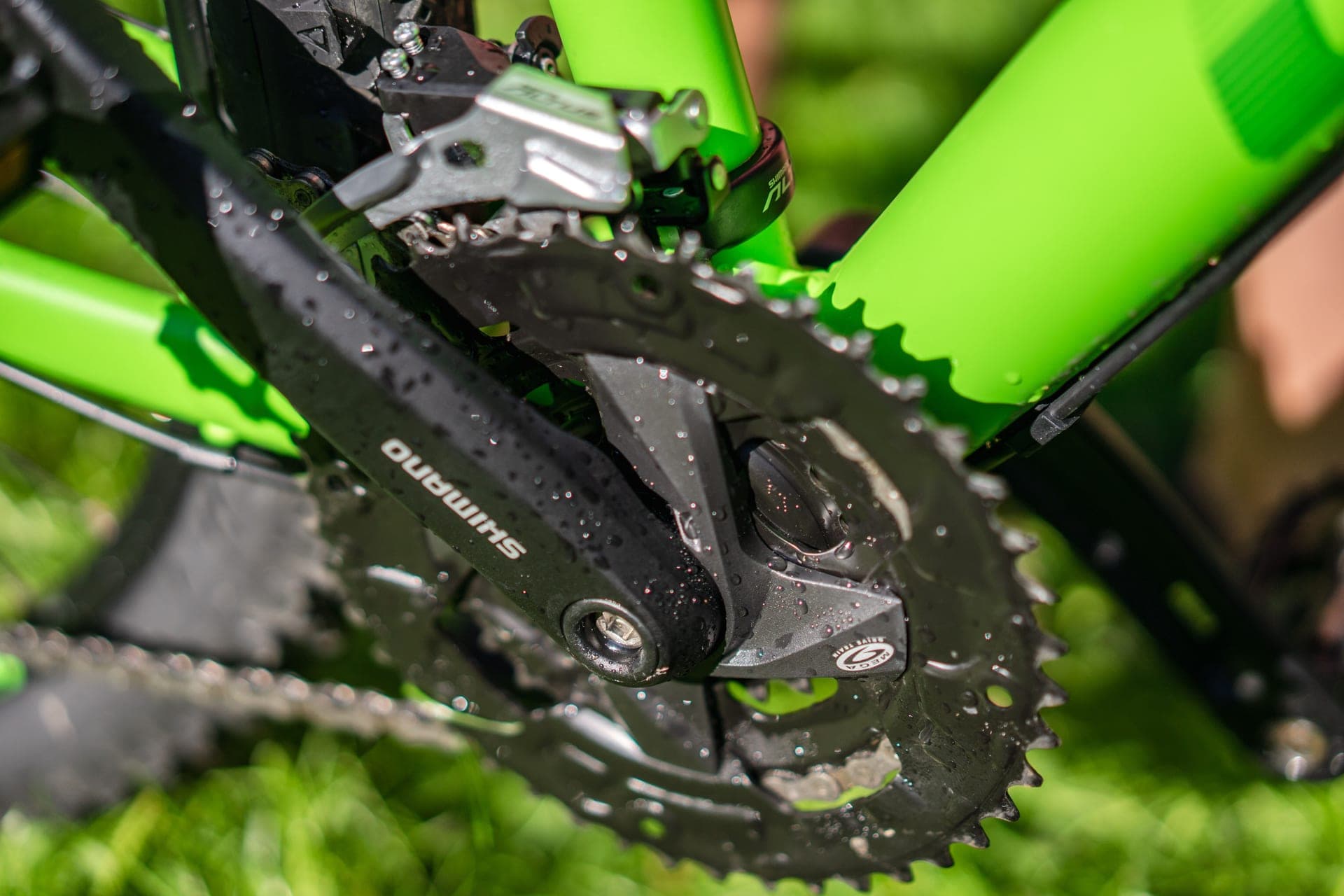
These two are closer than almost any pair we compare, because they're the same product with a different number of instrumented pedals. Both use Favero's rechargeable pods, both claim ±1% accuracy, both broadcast over Bluetooth and ANT+, and both unbolt to follow you onto another bike in minutes. Neither is "better" in build or accuracy — the decision comes down to one question: do you want to measure both legs, or is one leg doubled good enough?
| Spec | Assioma Duo | Assioma Uno |
|---|---|---|
| Sided | Dual-sided | Single (left) |
| Claimed accuracy | ±1% | ±1% |
| Left/right balance | Yes (true) | No (doubled) |
| Battery | Rechargeable | Rechargeable |
| Upgradeable | — | Yes → add right pedal |
| Best for | Balance data & accuracy | Reliable training power, value |
Where they're identical
Accuracy is the headline that turns out not to separate them: Favero claims ±1% for both, because the instrumented left pedal is the same hardware in each. Both recharge over the same magnetic clip, both carry the same weather sealing, and both use a Look Keo-compatible cleat. Crucially, both are pedal meters, so both share the biggest practical advantage of the type — they move between bikes freely, the reason pedals top our best power meter pedalsroundup. If your decision hinges on accuracy or portability, it's a tie.
The one difference that matters
The Duo instruments both pedals and measures each leg independently, giving you a true left/right balance number. The Uno instruments only the left pedal and doubles it to estimate total power. For total watts — the number you pace intervals and set zones with — both are equally valid, because the doubling is consistent and repeatable. What the Uno can't tell you is whether your right leg is quietly doing less work than your left.
For most riders, that balance figure is interesting rather than essential. It becomes genuinely useful in three cases: you're returning from an injury and want to confirm both legs are contributing, you're deliberately working on pedaling efficiency, or you're the kind of rider who simply wants the complete data set. If none of those is you, the Uno saves money with no downside to your actual training.
The upgrade path settles it for most people
Here's the detail that makes the Uno the low-risk pick: it can become a Duo. Favero sells the right-side instrumented pedal separately, so you can start single-sided and add the second pedal whenever you decide balance data is worth it. Your original purchase isn't stranded — you're buying the missing half, not a whole new meter. That turns the choice from "guess right now" into "start cheaper, upgrade if you ever want to."
Who should buy which
Buy the Unoif you're adding power to train by structured watts, you want the Assioma's accuracy and portability, and you'd rather spend the difference elsewhere in the pain cave — you can always upgrade later. Buy the Duoif balance data is a specific want today, you'd rather buy once than upgrade in two steps, or the price gap is small enough that the complete picture is worth it. Either way you're getting the same claimed ±1% — see how we reach that call on our how we review page. Still deciding whether a power meter is even the right next upgrade? Our smart trainer vs power meter guide helps you sequence it.
Cross-shopping the newer platform rather than the sidedness question? Assioma Duo vs Pro RS-2 is that comparison.
Favero runs the same one-sensor-or-two decision across its whole range, so the argument here repeats on the SPD pedals in Assioma Pro MX-1 vs MX-2. If you have decided the Uno is enough, the best single-sided power meters ranks it against everything else measuring one leg.
The full reviews
Head to head
Best for balance data
Favero Assioma Duo
9.39.3 out of 10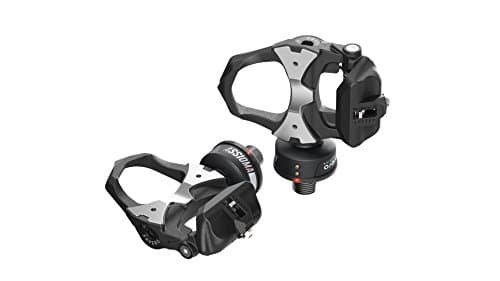
#ad We may earn a commission · Price as of October 21, 2026
Buy the Duo for true left/right balance and the complete pedaling picture out of the box.
- Sided
- Dual-sided
- Claimed accuracy
- ±1%
- Left/right balance
- Yes (true)
- Battery
- Rechargeable (~50 hr)
- Connectivity
- BT, ANT+
- Cleats
- Look Keo compatible
What we'd praise
- Reads each leg independently for true left/right balance
- Same claimed ±1% and rechargeable body as the Uno
- Complete pedaling picture with no upgrade to buy later
What we'd flag
- Costs more than the single-sided Uno
- The balance data is more than many riders will use
The Duo instruments both pedals, so it measures your left and right legs separately and reports a true balance figure rather than an estimate. If you're rehabbing an imbalance, curious about pedaling efficiency, or you just want the complete picture, that data is the whole reason to spend up. Everything else — the claimed ±1%, the rechargeable battery, the swap-to-any-bike convenience — it shares with the Uno.
For the full standalone breakdown, see our Assioma Duo review. In short: if balance data is a real want and the price gap doesn't sting, the Duo is the buy-once-cry-once answer.
Best for value
Favero Assioma Uno
8.88.8 out of 10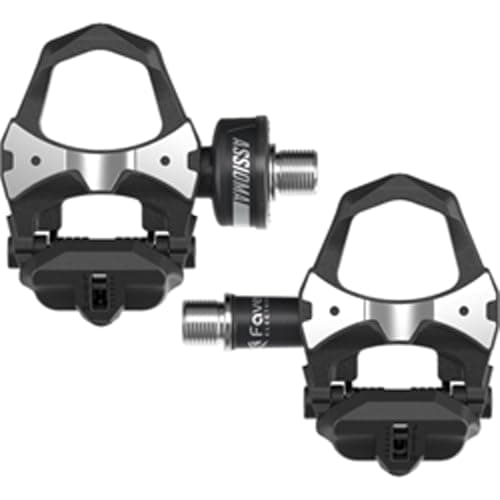
#ad We may earn a commission · Price as of October 21, 2026
Buy the Uno for the Duo's accuracy at a lower price if reliable training power is all you need.
- Sided
- Single (left)
- Claimed accuracy
- ±1%
- Left/right balance
- No (doubled)
- Battery
- Rechargeable (~50 hr)
- Connectivity
- BT, ANT+
- Upgrade
- Add right pedal → Duo
What we'd praise
- Same claimed ±1% as the Duo for less money
- Rechargeable and moves between bikes like the Duo
- Upgrades to a full Duo later — nothing wasted
What we'd flag
- Single-sided, so no true left/right balance
- Doubles the left leg rather than reading both
The Uno is the Duo with a single instrumented pedal. It reads your left leg and doubles it for total power at the same claimed ±1%, on the same rechargeable body that swaps between bikes just as easily. For a rider who wants dependable numbers to pace intervals and set zones, it gives up nothing that matters day to day.
The killer feature is the upgrade path: buy the right-side instrumented pedal whenever you want and the Uno becomes a full Duo — your original purchase isn't stranded. That makes it the low-risk way to start, which is why it anchors the value end of our best power meters roundup.
Good questions
Frequently asked questions
Is the Duo more accurate than the Uno?
No. Favero publishes the same claimed ±1% accuracy for both, because the instrumented left pedal is identical hardware in each. The Duo adds a second instrumented pedal for true left/right balance, but for total power — the number you train with — the two are equally accurate.
Can I upgrade an Assioma Uno to a Duo later?
Yes. Favero sells the right-side instrumented pedal separately, so you can buy the Uno now and add the second pedal whenever you want, turning it into a full Duo. Your original purchase isn't wasted — you're only buying the missing half, which makes the Uno a low-risk way to start.
Do I actually need left/right balance data?
Most riders don't need it day to day. Balance data becomes genuinely useful if you're returning from an injury and want to confirm both legs are contributing, you're working on pedaling efficiency, or you simply want the complete data set. If none of those apply, the single-sided Uno gives you everything your training zones depend on.
Do the Duo and Uno move between bikes the same way?
Yes. Both are pedal-based meters, so either one unbolts with a pedal wrench and swaps onto another bike in a few minutes. Portability is identical between the two — the only difference is whether one leg or both are measured.
Which is better value for a first power meter?
For most riders adding their first power meter, the Uno is the better value: the same claimed ±1% accuracy and the same portability as the Duo for less money, with the option to upgrade to dual-sided later. Choose the Duo from the start only if left/right balance is a specific priority.
How we sourced this
Keep going