Start Here
Smart Trainer vs Power Meter: Which First?
The upgrader's classic dilemma. One controls your indoor ride, the other measures your effort everywhere. Which you buy first depends entirely on where you ride.
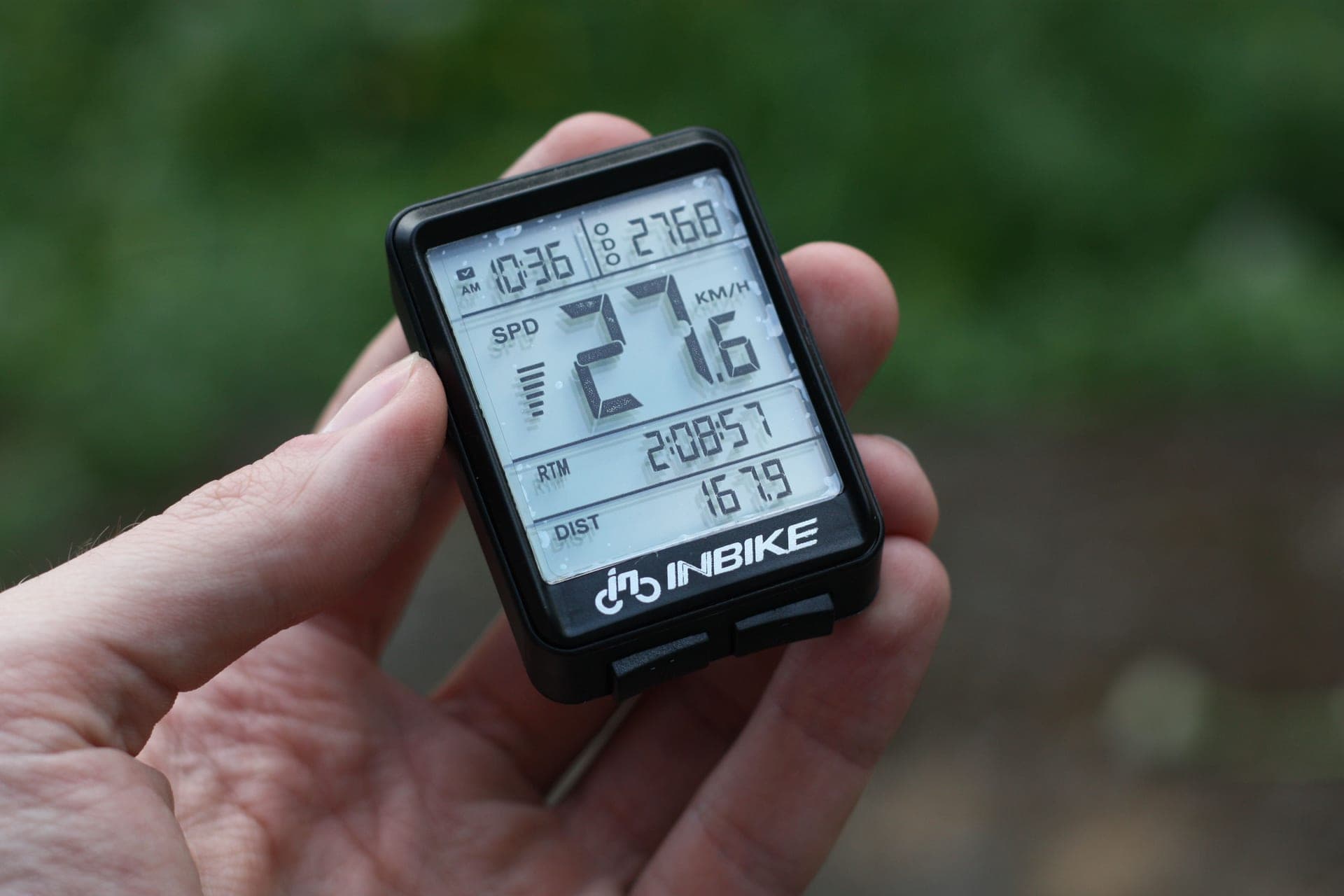
This is the question that stalls more upgrade decisions than any other, because both devices report watts and it's not obvious why you'd need both. Here is the distinction that settles it: a power meter measures the effort you produce, on any bike, on any road; a smart trainer measures and controlsthe effort, but only when you're bolted to it indoors. One is a sensor you take with you. The other is a stationary machine that also happens to contain a sensor. Deciding which to buy first is really deciding where you want accurate, controllable watts.
The two devices, side by side
| Capability | Smart trainer | Power meter |
|---|---|---|
| Measures your power | Yes (indoors) | Yes (everywhere) |
| Where it works | Indoor only | Every ride, indoor and out |
| Controllable resistance / ERG | Yes | No |
| Price band | Trainer tier (higher) | Component tier (varies) |
| Best bought first for | Indoor-focused riders | Racers and outdoor riders |
The table makes the trade-off concrete. A smart trainer is the only one of the two that can changewhat you're riding against — hold you at 250 W in ERG mode, ramp the resistance when Zwift tilts uphill. A power meter can never do that; it only ever reports. But the power meter has the one thing the trainer structurally can't: it comes with you outside, so your indoor and outdoor numbers come from the same source and your training zones mean the same thing on every ride.
Buy the smart trainer first if…
- Most of your training happens indoors. Winter riders, early-morning riders, and anyone whose structured work is on Zwift or TrainerRoad get the most value from the trainer, and it doubles as a perfectly good power source for those sessions.
- You want ERG mode and virtual worlds. These are trainer-only features. No power meter, however good, can deliver controllable resistance.
- You're building a pain cave, not chasing race data. If the indoor experience is the point, the trainer is the anchor purchase and everything else hangs off it.
Not sure the trainer is worth it at all yet? Start with do I need a smart trainer, then come back here.
Buy the power meter first if…
- You race or ride mostly outdoors.Pacing a time trial, holding watts on a climb, or not blowing up in the first hour of a road race all depend on real-time power where you actually ride — and that's outside.
- You want consistent zones everywhere. A single power meter on the bike means your FTP test, your outdoor intervals, and your indoor sessions all read off the same instrument, so the numbers are directly comparable.
- You already have a usable trainer. If you own even a basic trainer for the occasional indoor day, a power meter extends accurate data to the 90% of your riding that happens on the road.
When the power meter is the priority, pedal-based and crank-based options each have their place — our best power metersroundup ranks them on claimed accuracy and value, and it's the right next stop if you've landed in this camp.
A note on accuracy — and why we don't just trust the claims
Both devices advertise a claimed accuracy figure, usually somewhere from ±1% to ±2.5%, and both are accurate enough for real training at the top of that range. The catch is that a smart trainer and a power meter measure at different points in the drivetrain — the meter at the crank or pedal, the trainer at the flywheel after drivetrain losses — so their numbers rarely match exactly, and that's normal, not a fault. If you own both, expect a small, consistent offset. We dig into what those figures really mean, and why repeatability matters more than the headline percentage, in how accurate are smart trainers. We don't bench-test units ourselves — we compile the published specs and do the math, and we spell out that method on our how we review page.
Leaning toward the trainer?
See our best smart trainers, ranked on the specsIf you have decided the meter is the next purchase, best power meters for Zwift ranks the options on what matters indoors, and how to connect a power meter to Zwift covers the pairing so Zwift uses the number you intended.
Good questions
Frequently asked questions
Should I buy a smart trainer or a power meter first?
Buy the smart trainer first if most of your training is indoors, since it controls resistance and measures power in one purchase. Buy the power meter first if you race or ride mainly outdoors and want the same consistent power number on every ride. The deciding factor is where you ride most.
Does a smart trainer replace a power meter?
Indoors, largely yes — a smart trainer is an accurate power source for the sessions you ride on it. But it cannot measure your power outdoors, so it does not replace a power meter for road, race, or gravel riding. For accurate watts everywhere, you still need a power meter on the bike.
Does a power meter replace a smart trainer?
No. A power meter only measures effort; it cannot control resistance or provide ERG mode and virtual-world climbs. It reports watts everywhere but can never change what you are riding against, which is the smart trainer's core function.
If I have both, why don't the power numbers match?
Because they measure at different points in the drivetrain — the power meter at the crank or pedal, the trainer at the flywheel after drivetrain losses. A small, consistent offset between the two is expected and normal. What matters is that each device reads consistently ride to ride.
Which gives more accurate power indoors?
Both can be accurate enough for training when at the top of their claimed range. A power meter measures closer to where you produce force, so many riders treat it as the reference indoors and out. But a good direct-drive smart trainer is consistent enough that most riders train off its numbers without a second device.
I mostly ride Zwift. Which do I need?
The smart trainer. Zwift's immersion depends on controllable resistance that ramps on climbs and eases on descents, which only a smart trainer provides. A power meter can broadcast your watts to Zwift but cannot deliver the automatic resistance changes that make the platform feel like riding.
How we sourced this
Keep going
Read these next
- GuidesHow to Do an FTP Test
- GuideCadence Sensor vs Power Meter
- Power MetersThe Best Budget Power Meters
- TrainersThe Best Smart Trainers, Compared
- Power MetersThe Best Power Meters, Compared
- GuideDo You Need a Smart Trainer?
- GuideHow Accurate Are Smart Trainers?
- GuidesAre Power Meter Pedals Worth It?
- Power MetersThe Best Crank Power Meters