Start Here
How to Do an FTP Test
Every structured plan, every Zwift workout and every power zone is built on one number. Here is how each test protocol produces it, which one to take, and what actually has to be true about your trainer for the result to mean anything.
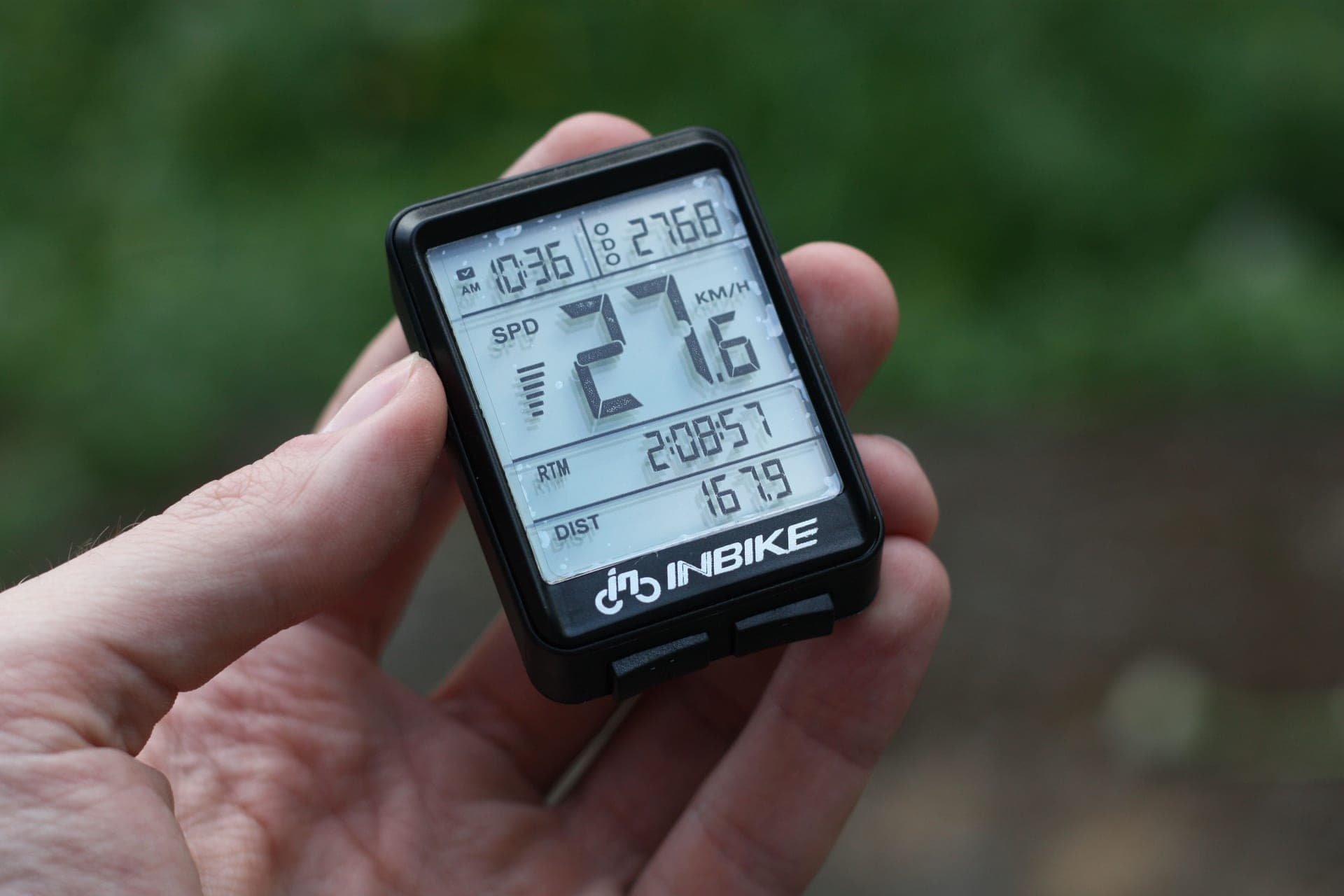
Functional Threshold Power is the highest power you could, in theory, sustain for about an hour, and in practice it is the number every structured platform uses to scale its workouts: Zwift, TrainerRoad, Wahoo SYSTM, Garmin, all of them. Set it too high and every threshold interval becomes a failed interval. Set it too low and a season of sweet-spot work is a season of tempo. The test itself takes under an hour. Getting a number you can trust takes a little more thought, and most of that thought is about the equipment and the pacing rather than the protocol.
A note on scope: we have not run these protocols under lab conditions and we do not claim to have. The protocols and formulas below are Zwift's, documented on its support site and by Zwift Insider, and the 95% convention traces to the training literature that Zwift's 20-minute test follows. Where we describe how a test feels, that is the consensus of the coaching sources cited at the end, not our own bench data.
What has to be true before you test
Your power must be measured, not estimated. This is the only equipment requirement that actually matters. A trainer that estimates power from its resistance model can produce a number that drifts week to week, which turns a retest into noise. Look for a direct-drive trainer with a claimed accuracy of ±2% or better, or a power meter. We explain the measured-versus-estimated distinction in how accurate are smart trainers. A wheel-on trainer with a ±5% estimate will run the test, but do not treat the result as comparable to the last one.
Same device every time. FTP is only useful as a relative number. If you test on the trainer and train on power pedals, or test on the pedals and race on a different trainer, you are comparing two instruments. Pick one power source and use it for the test and the training. If you ride indoors and out, that argues for a power meter as the source on both — smart trainer vs power meter covers the decision.
ERG mode for the ramp, free ride for the 20. A ramp test is designed to be run in ERG mode: the trainer sets each step and you pedal until you cannot turn it. The 20-minute test is the opposite — Zwift disables ERG for the test block and delivers steady flat-road resistance, so you choose the gear and the effort. Make sure your trainer does both.
Calibrate, cool, fuel. If your trainer needs a spin-down, do it after ten minutes of riding, before the test, not cold — how to calibrate a smart trainer walks through it. Put a serious fan in front of you, because heat is the thing that ends a 20-minute effort early indoors. Test rested, fed and at the time of day you usually train.
The short answer
The gear that meets those conditions
| # | Product | Best for | Score | Price |
|---|---|---|---|---|
| 1 | 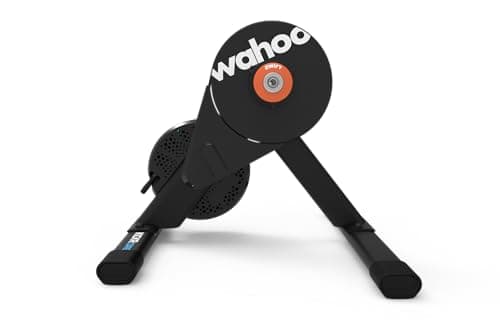 Wahoo Kickr Core 2 Measured power, proper ERG mode and WiFi at mid-range money — everything an FTP test needs from a trainer, and nothing it does not. | The trainer to test on | 9.09.0 out of 10 | $548.99 · View on Amazon #ad We may earn a commission · Price as of September 18, 2026 |
| 2 | 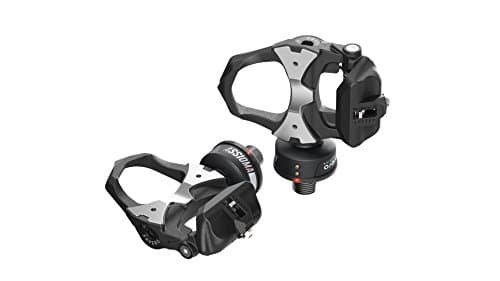 Favero Assioma Duo The fix for the most common FTP complaint — that the indoor number and the outdoor number disagree — is to measure both with the same device. | One number, indoors and out | 9.29.2 out of 10 | $538.99 · View on Amazon #ad We may earn a commission · Price as of September 18, 2026 |
| 3 | 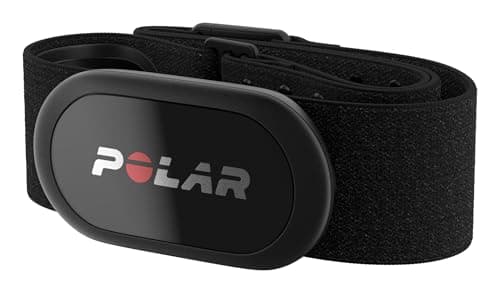 Polar H10 Not required for the test, but the strap that makes the next test interpretable — the reference chest strap, with two Bluetooth channels so nothing misses it. | The heart rate cross-check | 9.29.2 out of 10 | $104.79 · View on Amazon #ad We may earn a commission · Price as of September 18, 2026 |
The ramp test
The ramp is the test to take if you have never taken one, and the one many coaches now recommend for everyone, because it removes pacing from the equation. After a warm-up the trainer holds a series of one-minute steps that rise by 20 W each — Zwift's standard ramp starts at 100 W — and you simply keep pedaling until the step you are on is one you cannot finish. Zwift then sets FTP at 75% of the highest one-minute average power you produced. That 75% figure comes from the observed relationship between maximal aerobic power and threshold in the coaching literature, which Zwift Insider traces to work in the late 1990s.
The ramp portion typically lasts five to twenty minutes depending on where you start and how fit you are. Riders under 60 kg or with an FTP below about 175 W should use Zwift's Ramp Test Lite, which starts at 50 W and rises by 10 W per minute; the finer steps give a more accurate result at lower power. Two things decide the quality of a ramp result: stay in ERG mode and do not shift, and do not stop early because it feels like it is about to get hard. It always feels that way two steps before the actual end.
The ramp's weakness is that it rewards riders with a strong anaerobic finish. If you can produce a big one-minute effort relative to your sustainable power, the 75% rule will overestimate your FTP, and your threshold intervals will feel impossible. If that describes you, take the 20-minute test as well and use the lower of the two.
The 20-minute test
Zwift's standard FTP test runs about 45 minutes in total: a warm-up that includes two short hard blocks to open the legs, a 20-minute free-ride effort, and a cool-down. Your FTP is 95% of your average power over the 20 minutes. Zwift turns ERG off for the effort, so the trainer behaves like flat road and pacing is entirely on you.
Pacing is the entire skill. Start at what you believe is your current FTP, or a little under, for the first five minutes. Reassess. If it feels sustainable, add a few watts every five minutes; if it does not, hold. The last three minutes are where you empty what is left. The classic failure is going out 10% too hard, fading at minute eight, and finishing with a 20-minute average lower than you could have held evenly. This is why the advice for a first test is to do a ramp first, then use that number to pace the 20 the next time.
| Ramp test | Ramp test lite | 20-minute test | |
|---|---|---|---|
| Structure | 1-min steps, +20 W each | 1-min steps, +10 W each | Warm-up, 20 min hard, cool-down |
| Start | 100 W | 50 W | Your choice of pace |
| Trainer mode | ERG | ERG | Free ride (ERG off) |
| FTP formula | 75% of best 1-min power | 75% of best 1-min power | 95% of 20-min average |
| Total time | About 5-20 min of ramp | Longer ramp, lower steps | About 45 min |
| Pacing required | None | None | All of it |
| Best for | First test, most riders | Under 60 kg or FTP under 175 W | Experienced riders who pace well |
| Tends to overestimate for | Strong sprinters | Strong sprinters | Nobody, if paced evenly |
Without Zwift
The protocols do not belong to Zwift. TrainerRoad, Wahoo SYSTM and Garmin each offer their own ramp or timed test built on the same principles. On any smart trainer with ERG mode you can build a ramp as a custom workout — one-minute steps rising 20 W — and on any trainer at all you can ride 20 minutes hard and take 95% of the average from your head unit. What you cannot do without measured power is get a number worth writing down, which is why the equipment section came before the protocols.
What to do with the number
Enter it into every platform you use, and enter the same number everywhere. Zwift will also auto-detect a higher FTP from any effort between roughly eight and sixty minutes, which is convenient but means your zones can shift mid-block without a formal test; decide whether you want that. Retest every six to eight weeks, at the end of a training block, on the same equipment, at the same time of day, with the same protocol. A retest on a different trainer or a different protocol is a new baseline, not a comparison.
And if the number is lower than you hoped, that is fine. FTP that is honest makes every workout that follows the right difficulty; FTP that is flattering makes them all wrong. The trainer does not care. Our best smart trainers roundup covers the units that measure to ±1% if repeatability is what you are after.
Need a trainer that can run the test?
See the smart trainers that measure power, rankedThe full reviews
Every pick, in detail
The trainer to test on
Wahoo Kickr Core 2
9.09.0 out of 10#ad We may earn a commission · Price as of September 18, 2026
Measured power, proper ERG mode and WiFi at mid-range money — everything an FTP test needs from a trainer, and nothing it does not.
- Type
- Direct drive, electromagnetic
- Claimed accuracy
- ±2%, measured
- Max resistance
- 1,800 W
- ERG mode
- Yes — runs the ramp test automatically
- Connectivity
- WiFi, Bluetooth, ANT+ FE-C
- Race Mode
- 10 Hz power to Zwift
What we'd praise
- Measured power, so the number the test produces is a real one rather than a resistance estimate
- ERG mode drives every step of a ramp test by itself; you just pedal until you cannot
- WiFi means the one ride a season you most need not to drop does not drop
- Kickr Bridge relays your heart rate strap through the trainer for a cleaner pairing
What we'd flag
- ±2% — tighter trainers exist if you want the test repeatable to the watt
- A 20-minute test is done in free-ride mode, where the 5.4 kg flywheel feels lighter than a Kickr v6
- Ships with an 11-speed cassette; 12-speed bikes may need a swap
An FTP test needs three things from a trainer: a measured power number, an ERG mode that can run the steps of a ramp on its own, and a connection that will not fail during the one ride you cannot repeat tomorrow. The Core 2 has all three, and it is the cheapest trainer in our registry that does. Our Kickr Core 2 review goes into the detail, and best smart trainers ranks the tighter alternatives.
One number, indoors and out
Favero Assioma Duo
9.29.2 out of 10#ad We may earn a commission · Price as of September 18, 2026
The fix for the most common FTP complaint — that the indoor number and the outdoor number disagree — is to measure both with the same device.
- Type
- Pedal-based, dual-sided
- Claimed accuracy
- ±1%
- Battery
- Rechargeable, about 50 hours
- Connectivity
- Bluetooth, ANT+
- Cleats
- Look Keo compatible
- Moves between bikes
- Minutes, with a pedal wrench
What we'd praise
- Test on the pedals and train on the pedals, indoors and out, so FTP set inside means the same thing on the road
- ±1% dual-sided measurement, which is tighter than most trainers
- Installs with a pedal wrench; the same meter follows you to the next bike
- Zwift and TrainerRoad both let you use the pedals as the power source while the trainer takes ERG commands
What we'd flag
- Costs more than most mid-range trainers on its own
- Locks you into Keo-compatible cleats
- If you only ever ride indoors, the trainer's own number is enough and this is money spent on nothing
If you race or ride outdoors by power, the most useful thing you can do for your FTP is to measure it with the device you will train with everywhere. Pedals are the easiest way to do that. Pair the Assioma as the power source in Zwift or TrainerRoad, let the trainer take the ERG commands, and the number you test to is the number your head unit shows on the road. Our Assioma Duo review covers the pedals in full, and smart trainer vs power meter settles which to buy first.
The heart rate cross-check
Polar H10
9.29.2 out of 10#ad We may earn a commission · Price as of September 18, 2026
Not required for the test, but the strap that makes the next test interpretable — the reference chest strap, with two Bluetooth channels so nothing misses it.
- Measurement
- ECG electrodes, chest strap
- Connectivity
- Dual Bluetooth, ANT+, 5 kHz
- Battery
- CR2025, up to 400 hours
- Internal memory
- One session, up to 30 hours
- Water resistance
- WR30
What we'd praise
- ECG response tracks the jump at the start of a hard step within a beat or two — optical wrist sensors lag
- Pairs to two Bluetooth devices at once, so the trainer app and a watch can both record the test
- Recording heart rate alongside power is how you tell a pacing failure from a fitness change on the next test
What we'd flag
- Heart rate does not set FTP; it only contextualizes the power number
- The H9 does the same sensing for less if you need one Bluetooth connection
Heart rate does not determine FTP, and no protocol on this page uses it. What it does is explain the result. A 20-minute test where your heart rate plateaus early at a familiar threshold value and power fades is a pacing failure; one where heart rate keeps climbing to the end and power holds is a real ceiling. A chest strap records that; a wrist sensor blurs it. Our Polar H10 review covers the strap, and H10 vs H9 says when the cheaper one is enough.
Good questions
Frequently asked questions
How is FTP calculated from a ramp test?
Zwift sets FTP at 75% of the highest one-minute average power you produce during the ramp. The steps rise by 20 W per minute from 100 W on the standard test, or by 10 W per minute from 50 W on Ramp Test Lite, and you ride until you cannot complete a step.
How is FTP calculated from a 20-minute test?
FTP is 95% of your average power over the 20-minute effort. Zwift's standard FTP test runs about 45 minutes in total including warm-up and cool-down, and turns ERG mode off for the 20-minute block so you pace it yourself.
Do I need a smart trainer to do an FTP test?
You need a measured power source: a direct-drive smart trainer with a ±2% or better accuracy claim, or a power meter. A ramp test also needs ERG mode to set the steps automatically. A trainer that only estimates power will run the test but the result will not be reliably comparable to the next one.
Should I do a ramp test or a 20-minute test?
Ramp test first if you have never tested, because it removes pacing from the result. Experienced riders who pace well often prefer the 20-minute test. Riders with a strong sprint may find the ramp overestimates their FTP; if threshold intervals feel impossible after a ramp, take a 20-minute test and use the lower number.
How often should I retest FTP?
Every six to eight weeks, or at the end of a training block. Test on the same equipment, with the same protocol, at the same time of day, rested and cooled by a fan, so the number is comparable to the last one.
Should I use ERG mode for an FTP test?
For a ramp test, yes: ERG mode sets each step and you pedal until you cannot. For the 20-minute test, no: Zwift disables ERG for the effort so you control the pace. Check that your trainer supports both modes before choosing a protocol.
Why is my indoor FTP different from my outdoor FTP?
Usually because two different instruments are measuring it, or because heat and the lack of movement indoors reduce sustainable power for many riders. Measuring both with the same power meter removes the first cause; a strong fan reduces the second. Treat indoor and outdoor FTP as separate numbers unless the device is the same.
How we sourced this
- Zwift Insider — How (and why) to take an FTP test on Zwift (protocols, 75% and 95% formulas, ERG off for the 20-minute block, Ramp Test Lite criteria)
- Zwift Insider — Determine your FTP with Zwift's ramp test (100 W start, +20 W per minute)
- Zwift Support — FTP Test
- BikeRadar — How to do a Zwift FTP test (ramp test origins and 75% of MAP)
- Cycling Weekly — 20-minute effort or a ramp test, a coach's guide
Keep going