Start Here
Power Meter vs Heart Rate Monitor
One measures what you are doing. The other measures what it is costing you. They are not competing, and buying them in the wrong order is a common and expensive mistake.
The short answer
Quick picks
| # | Product | Best for | Score | Price |
|---|---|---|---|---|
| 1 | 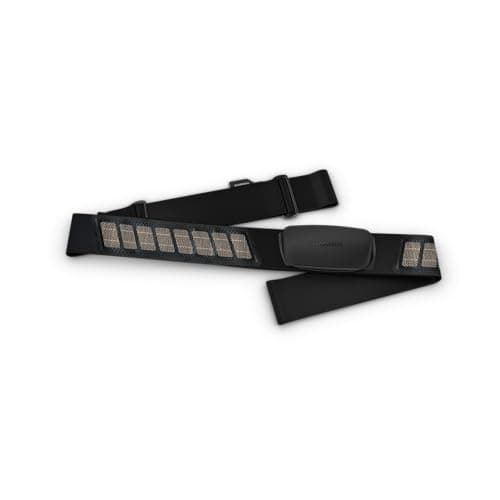 Garmin HRM-Dual Buy this before you buy anything else with a sensor in it. It is cheap, it lasts years, and it tells you the one thing power cannot. | Buy this first | 9.09.0 out of 10 | $59.95 · View on Amazon #ad We may earn a commission · Price as of October 21, 2026 |
| 2 | 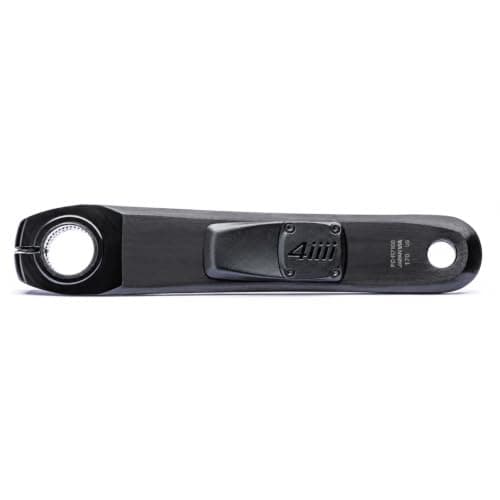 4iiii Precision 3+ The number to prescribe and execute training from. Buy it after a strap, not instead of one — the two answer different questions. | Then buy this | 8.68.6 out of 10 | $437.49 · View on Amazon #ad We may earn a commission · Price as of October 21, 2026 |
This is usually framed as a rivalry and it is not one. Power and heart rate measure two different things, and the interesting information is in the relationship between them rather than in either number alone.
Power is the external work.Two hundred and fifty watts is a physical quantity — the rate at which you are putting energy into the drivetrain. It is the same 250 W on a good day and a terrible one.
Heart rate is the internal cost.It is what your body is doing to produce that 250 W right now, in this room, at this temperature, on this much sleep. It varies enormously and that variation is the point.
Why heart rate cannot prescribe training
Three specific problems, and understanding them is what makes the buying order obvious.
Lag. Heart rate takes roughly twenty to forty seconds to reflect a change in effort. A thirty-second interval is finished before your heart rate has caught up with the start of it. This alone rules heart rate out for anything short, which is most of what makes structured indoor training worth doing.
Drift. Hold a steady wattage for an hour and your heart rate climbs anyway, as your core temperature rises and blood volume shifts. Indoors this is much worse than outdoors, because you have removed the airflow that carries your heat away — which is exactly why a serious fan is the highest-return purchase in a pain cave. If you pace by heart rate, drift makes you gradually ride easier for no physiological reason.
Day-to-day variation. Sleep, hydration, caffeine, illness, stress and heat all move your heart rate at a fixed wattage, sometimes by ten beats or more. A training plan built on heart rate zones is built on a moving foundation.
None of this makes heart rate useless. It makes it a poor prescription tool and an excellent diagnostic one.
| Power | Heart rate | |
|---|---|---|
| Measures | External work produced | Internal cost of producing it |
| Response time | Under a second | 20–40 seconds |
| Stable day to day | Yes | No |
| Drifts during a long ride | No | Yes |
| Affected by heat and sleep | No | Substantially |
| Good for short intervals | Yes | No |
| Good for pacing long efforts | Yes | Usable, with care |
| Shows fatigue and illness | No | Yes — its main value |
| Cost | Entry to high | Very low |
| Already in your setup? | Yes, if you have a smart trainer | Rarely |
What heart rate is genuinely good at
Telling you when to stop. If your heart rate is fifteen beats low at your normal threshold wattage and the effort feels enormous, you are fatigued or getting ill. Power will not tell you that; it will just show you failing to hit the target. Heart rate turns a bad session into information.
Keeping easy rides easy. The most common training error among motivated riders is riding recovery days too hard. Heart rate is a better guardrail here than power, because it reflects how hard the ride actually is for you today.
Long, steady efforts. Over two or three hours, heart rate carries real information about accumulating strain that a flat power line hides completely.
Recovery and HRV. Heart rate variability, measured at rest, is a genuine signal about readiness — and it needs an ECG strap rather than a wrist sensor. The Polar H10 is the reference device here, used in published validation research, and the reason to spend more than the budget option.
The number that only exists if you have both
Track your heart rate at a fixed wattage over weeks and you get something neither sensor gives alone. If 220 W cost you 155 bpm in November and costs 148 bpm in February, you are getting fitter — and you know it without doing another FTP test.
Coaches call this decoupling or aerobic efficiency, and it is one of the cleanest progress signals available to an amateur. It needs both numbers, measured consistently, on the same trainer or with the same meter. Indoors is the ideal place to track it, precisely because wind, gradient and traffic do not exist to muddy it.
The buying order, for an indoor rider
If you have a smart trainer: you have power. Buy a heart rate strap and you have both numbers for very little money. A separate power meter only makes sense if you also ride outdoors — see are power meters worth it.
If you have a dumb trainer or no trainer: buy the strap first because it is cheap, then plan for power. Between a power meter and a smart trainer as the next purchase, our smart trainer vs power meter guide is the direct answer, and for most indoor-focused riders the trainer wins.
If you already have both: stop buying sensors and start using the relationship between them. A cadence sensor is the only remaining number worth adding, and your trainer or power meter probably already reports it.
Which strap, and why not a watch
Use a chest strap. An optical wrist sensor infers pulse from light reflected off your skin, and its failure modes line up almost perfectly with indoor cycling: cold hands early in a session, rhythmic vibration through fixed arms, and rapid changes in effort. It can lock onto your cadence and report it back as a heart rate, which looks entirely convincing on the screen.
Any ECG strap solves that. The Garmin HRM-Dual is the cheapest one worth owning and runs for years on a coin cell; the Polar H10 is the upgrade if HRV matters. Our heart rate monitor roundup ranks the field, and the practical tip that fixes most bad data is simple: wet the electrodes before you start.
Starting with the strap?
See the heart rate monitors rankedThe full reviews
Every pick, in detail
#1 · Buy this first
Garmin HRM-Dual
9.09.0 out of 10#ad We may earn a commission · Price as of October 21, 2026
Buy this before you buy anything else with a sensor in it. It is cheap, it lasts years, and it tells you the one thing power cannot.
- Measurement
- ECG chest strap
- Battery
- CR2032, up to 3.5 years
- Connectivity
- ANT+ (unlimited) and Bluetooth
- Cost band
- Budget
- Data
- Heart rate and HRV
- Why first
- Cheapest useful number in cycling
What we'd praise
- Costs a fraction of a power meter and adds a genuinely different dimension to your data
- Same ECG measurement as straps costing twice as much
- Up to 3.5 years on a coin cell — it never needs managing
- Unlimited simultaneous ANT+ connections, which suits a room full of devices
What we'd flag
- Cannot prescribe intervals shorter than a few minutes, because of the lag
- It is a chest strap, and some people will not wear one
- No onboard memory
Heart rate is not a substitute for power and it is not obsolete either. It is the internal cost of the external work, and it is the cheapest sensor in cycling. Full detail in our Garmin HRM-Dual review.
#2 · Then buy this
4iiii Precision 3+
8.68.6 out of 10#ad We may earn a commission · Price as of October 21, 2026
The number to prescribe and execute training from. Buy it after a strap, not instead of one — the two answer different questions.
- Type
- Left crank arm, single-sided
- Claimed accuracy
- ±1% measurement
- Battery
- CR2032, up to 800 hours
- Cost band
- Entry-level power
- Data
- Power and cadence
- Why second
- Power is the number training is written in
What we'd praise
- The cheapest genuine power meter, and the one that makes structured training possible outdoors
- Responds instantly, so short intervals are actually measurable
- Stable day to day, unlike heart rate, so it can define zones
- Up to 800 hours from a coin cell
What we'd flag
- Single-sided, so it doubles your left leg
- Must match your exact crank model and length
- Redundant indoors if you already own a smart trainer
Power is the external work: instant, stable, comparable across years. It is what training plans are written in and what pacing depends on. Full detail in our 4iiii Precision 3+ review.
Good questions
Frequently asked questions
Should I buy a power meter or a heart rate monitor first?
The heart rate strap, because it costs a fraction as much and adds a dimension power cannot provide. Then power, which is what training is prescribed and executed in. If you own a smart trainer you already have power indoors, which makes the strap the obvious next purchase.
Is a power meter better than a heart rate monitor?
For prescribing and executing training, yes — power responds in under a second, does not drift through a session and is stable day to day. Heart rate does none of those things, but it tells you what today's effort is costing you, which power cannot. The best setup has both.
Why does my heart rate rise during a steady indoor ride?
Cardiac drift. Your core temperature climbs, blood volume shifts toward the skin, and your heart rate rises to maintain the same output. Indoors it is worse than outdoors because you have removed the airflow that carries heat away, which is why a high-velocity fan is the highest-return purchase in a pain cave.
Can I train properly with only a heart rate monitor?
For longer, steadier work, largely yes — endurance rides and sustained tempo can be paced by heart rate with care. What you cannot do well is anything short, because heart rate lags the effort by 20 to 40 seconds, so a 30-second interval is over before the number reflects it.
Do I need a heart rate monitor if I have a smart trainer?
Not strictly, but it is the cheapest meaningful upgrade you can make. The trainer measures the work; a strap tells you what that work is costing you today, which is what explains why an easy session sometimes feels hard. Tracking heart rate at a fixed wattage over weeks is also one of the cleanest progress signals available.
Is a wrist heart rate sensor good enough for indoor cycling?
It is the weakest option. Optical wrist sensors struggle with cold hands, rhythmic arm vibration and rapid changes in effort — all of which describe indoor interval sessions. They can even lock onto your cadence and report it as heart rate. An inexpensive ECG chest strap is a large improvement.
How we sourced this
- Polar H10 heart rate sensor specifications and ECG measurement (manufacturer)
- Validity of the Polar H10 sensor for heart rate variability analysis (PubMed)
- Garmin HRM-Dual heart rate monitor specifications (manufacturer)
- 4iiii PRECISION 3+ powermeter specifications (manufacturer)
- TrainerRoad structured training, zones and workout execution (official)
Keep going