Start Here
Are Power Meters Worth It?
The answer changed when the price did. Here is who should buy one, who already has power and does not know it, and who is better off spending the money on a fan.
The short answer
Quick picks
| # | Product | Best for | Score | Price |
|---|---|---|---|---|
| 1 | 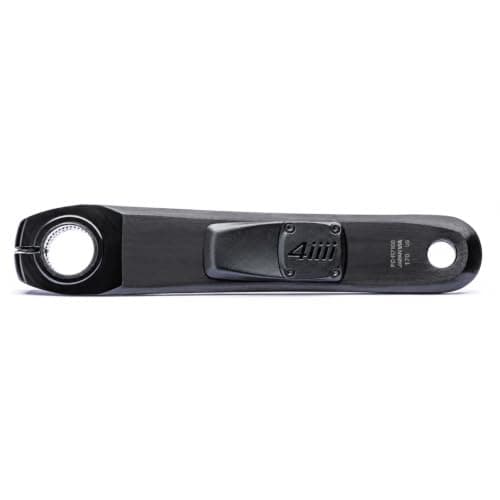 4iiii Precision 3+ If the honest question is whether power is worth it, this is the cheapest way to find out — and for most riders it is also the last power meter they need. | Best first power meter | 8.68.6 out of 10 | $437.49 · View on Amazon #ad We may earn a commission · Price as of October 21, 2026 |
| 2 | 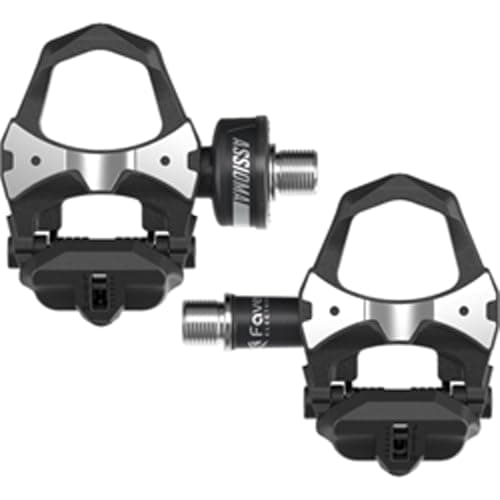 Favero Assioma Uno The version to buy if the meter needs to move — between bikes, between seasons, or onto whatever you own next. | Best if you own several bikes | 8.78.7 out of 10 | $381.22 · View on Amazon #ad We may earn a commission · Price as of October 21, 2026 |
| 3 | 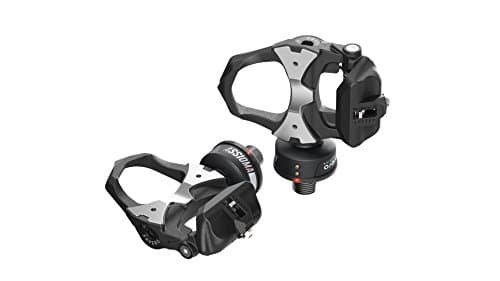 Favero Assioma Duo Worth the premium only if you have a specific reason to want balance. Otherwise the extra money is better spent elsewhere in the setup. | Best if you need true balance | 9.29.2 out of 10 | $539.93 · View on Amazon #ad We may earn a commission · Price as of October 21, 2026 |
"Are power meters worth it" used to be a genuinely hard question, because the honest answer involved a four-figure purchase for a number you might not know how to use. Both halves of that have changed. A capable single-sided meter now costs about what a mid-range wheelset does, and the training platforms that make the number useful are cheap and everywhere.
What has not changed is that a lot of people buy one for the wrong reason, and a meaningful number of people buy one they already effectively own. This guide sorts out which you are.
First: do you already have power?
Check this before anything else, because a surprising share of riders shopping for a power meter are already measuring power.
If you own a smart trainer, you have power indoors. Every direct-drive trainer measures it — a claimed ±1% on a Kickr v6, ±2% on a Kickr Core 2, ±2.5% at the entry level. For indoor training that is a complete solution, and adding a separate power meter changes nothing about your ability to train.
The question then becomes whether you ride outdoors and want the same measurement there. If yes, a power meter is worth it and the trainer is not a substitute. If no, buy something else — the money buys a much better indoor experience spent on a fan, a screen or a desk.
Our smart trainer vs power meterguide settles the "which first" version of this question in detail.
What power actually gives you that heart rate does not
This is the real argument, and it is worth stating precisely rather than as an article of faith.
It responds instantly. Push harder and the number moves in under a second. Heart rate takes twenty to forty seconds to reflect a change in effort, which makes it nearly useless for anything shorter than a few minutes. A thirty-second effort is over before your heart rate has finished responding to it.
It does not drift.Heart rate at a fixed wattage rises through a long session as you heat up — cardiac drift — and it varies day to day with sleep, hydration, caffeine, illness and stress. Two hundred and fifty watts is 250 W on all of those days. That stability is what makes power a valid basis for prescribing training and for judging whether you are improving.
It is comparable. Your FTP this March against last March is a real comparison. Your threshold heart rate across the same period tells you much less, because so many other things moved.
It works everywhere. Up a climb, into a headwind, on a slow surface: speed lies constantly about effort, and power does not. On a trainer, none of those variables exist, which is precisely why an indoor-only rider gains less from a separate meter.
| Power meter | Smart trainer | Heart rate | Speed | |
|---|---|---|---|---|
| Responds instantly | Yes | Yes | No — 20–40 s lag | Only downhill |
| Stable day to day | Yes | Yes | No | No |
| Works outdoors | Yes | No | Yes | Yes, but misleading |
| Works indoors | Yes | Yes | Yes | Simulated only |
| Comparable year to year | Yes | Yes, same device | Weakly | No |
| Shows internal cost | No | No | Yes — its whole value | No |
| Cost | Low to high | Already owned | Very low | Free |
Who it is genuinely worth it for
Anyone following a structured plan. Plans are written in percentages of FTP. Without power you are translating them into heart rate zones and perceived effort, which works but blunts every short interval in the plan.
Anyone who races, including online. Pacing a time trial, a climb or a Zwift race is a power problem. Going out five percent too hard in the first two minutes is the single most common way to ruin an effort, and power is what prevents it.
Anyone doing long events. Fueling and pacing over four hours depends on knowing your actual output, not how you feel at hour one.
Anyone whose indoor and outdoor numbers need to agree. If you test FTP on a trainer and then ride outdoors to that number, you are comparing two devices measuring in different places. A power meter on the bike gives you one instrument for both — which is the cleanest possible answer, and the subject of our trainer vs power meter guide.
Who it is not worth it for
Indoor-only riders with a smart trainer. Covered above. You have power. Spend the money on the room.
Riders who do not do structured training and do not want to. If your riding is social, exploratory or simply enjoyable, power will not make it better. It may make it worse, by converting a good ride into a number you feel judged by. That is a real phenomenon and it is a legitimate reason to decline.
Anyone whose setup is still missing basics. If you ride indoors without a fan, without a mat, or on a trainer that drops its connection every session, those problems are costing you far more training than a power meter would gain you. Fix them first — our accessories checklist is the order to buy in.
Single-sided or dual? The honest sizing
A single-sided meter measures your left leg and doubles it. If your legs are perfectly balanced, the total is as accurate as the measurement. If you produce 52% of your power with your right, the number reads roughly 4% low — consistently.
That consistency is what makes it fine. Your zones, your intervals and your fitness trend are all built from the same slightly offset number, so they are all internally correct. The only thing you lose is direct comparison with someone else's dual-sided meter, and a balance figure that most riders look at twice and never act on.
Buy dual-sided if you are rehabilitating an injury, working with a fitter, or genuinely want the total measured rather than assumed. Everyone else should buy single-sided and put the difference into something else. Our single vs dual-sided guide works through the numbers.
Where to put the money
If the answer is yes, the cheapest defensible route is a left crank arm meter — ten minutes to fit, a coin cell that lasts hundreds of hours, and a claimed ±1% on the measurement. The one piece of work it asks of you is matching your crank model and length correctly before ordering.
If you own several bikes, or your crank is unusual, or the idea of researching compatibility puts you off entirely, buy pedals. They cost more and they fit anything, and they move between bikes in five minutes — including on and off a trainer bike, which is genuinely convenient if you keep a dedicated one.
If you ride SPD — which a lot of indoor riders do, because the shoes walk — the Assioma Pro MX is the only serious option on that interface. And if you specifically want to know whether pedals are worth the premium over a crank, that is its own question and we answer it in are power meter pedals worth it.
One thing to expect after you buy
Your new power meter will disagree with your smart trainer, and this is not a fault. A crank or pedal meter measures before the chain; a trainer measures after it, once drivetrain losses have taken their cut. A few percent between the two is normal and expected.
The correct response is to pick one device as your reference for testing and stay with it, rather than trying to make them agree. Our accuracy guide explains why chasing agreement between two honest devices is a way to waste a winter, and our calibration guide covers the zero-offset routine that keeps both behaving.
Decided it is worth it?
See every power meter rankedThe full reviews
Every pick, in detail
#1 · Best first power meter
4iiii Precision 3+
8.68.6 out of 10#ad We may earn a commission · Price as of October 21, 2026
If the honest question is whether power is worth it, this is the cheapest way to find out — and for most riders it is also the last power meter they need.
- Type
- Left crank arm, single-sided
- Claimed accuracy
- ±1% measurement
- Battery
- CR2032, up to 800 hours
- Added weight
- 9 g
- Fitting
- One crank bolt, ten minutes
- Connectivity
- ANT+, Bluetooth
What we'd praise
- The cheapest way to own a genuine power meter, by a wide margin
- Up to 800 hours from a coin cell — you will forget it needs a battery
- Adds 9 g, which is functionally nothing
- Simple enough that there is very little to go wrong
What we'd flag
- Single-sided, so it measures your left leg and doubles it
- You must match your exact crank model and length before ordering
- No left/right balance data
The Precision 3+ is why the answer to "are power meters worth it" changed. When power was a four-figure purchase, the question was genuinely hard. At this price it is not.
Full detail in our 4iiii Precision 3+ review.
#2 · Best if you own several bikes
Favero Assioma Uno
8.78.7 out of 10#ad We may earn a commission · Price as of October 21, 2026
The version to buy if the meter needs to move — between bikes, between seasons, or onto whatever you own next.
- Type
- Pedal-based, single-sided
- Claimed accuracy
- ±1%
- Fitting
- Pedal wrench, five minutes
- Cleat system
- Look Keo compatible
- Upgrade path
- Add the second pedal for dual-sided
- Connectivity
- ANT+, Bluetooth
What we'd praise
- No compatibility research at all — it fits any standard crank
- Moves between bikes in five minutes, including on and off a trainer bike
- Upgradeable to dual-sided later without replacing what you own
- IAV measurement handles sprints and oval rings properly
What we'd flag
- Costs more than a crank-arm meter for the same single-sided data
- Commits you to the Look Keo cleat standard
- Rechargeable, so it needs a charging habit
Pedals are the answer for anyone whose bikes change or whose crank is unusual. You pay a premium to stop thinking about compatibility, and for a lot of riders that is money well spent.
#3 · Best if you need true balance
Favero Assioma Duo
9.29.2 out of 10#ad We may earn a commission · Price as of October 21, 2026
Worth the premium only if you have a specific reason to want balance. Otherwise the extra money is better spent elsewhere in the setup.
- Type
- Pedal-based, dual-sided
- Claimed accuracy
- ±1%
- Left/right balance
- Measured, not estimated
- Fitting
- Pedal wrench, five minutes
- Cleat system
- Look Keo compatible
- Connectivity
- ANT+, Bluetooth
What we'd praise
- Genuine independent measurement of each leg, not a doubled left side
- The reference product in pedal power meters, and priced below Garmin and Wahoo equivalents
- Balance data is genuinely useful during rehabilitation or after an injury
- Same five-minute installation as the single-sided version
What we'd flag
- Meaningfully more expensive than any single-sided option
- Most riders look at the balance number twice and never act on it
- Look Keo cleats only
Dual-sided is the right answer for a narrow set of riders: those recovering from an injury, those working with a fitter, and those who simply want the total to be measured rather than assumed. Our single vs dual-sided guide sizes the difference honestly.
Good questions
Frequently asked questions
Are power meters worth it for an amateur cyclist?
If you ride outdoors and train with any structure, yes — power responds instantly, does not drift with heat or fatigue, and can be compared across years, which heart rate cannot. At current prices a single-sided crank meter costs less than a mid-range wheelset, which is what changed the answer.
Do I need a power meter if I have a smart trainer?
Not for indoor training. A direct-drive smart trainer already measures power, typically to a claimed ±1% to ±2.5%, which is a complete solution for structured work indoors. A separate power meter is worth it only if you also ride outdoors and want one instrument measuring both.
Is a cheap single-sided power meter good enough?
For almost everyone, yes. It measures your left leg and doubles it, so any imbalance carries into the number — but consistently, which means your zones, intervals and fitness trend remain internally correct. Dual-sided matters for rehabilitation, bike fitting, or if you specifically want the total measured rather than assumed.
Why does my power meter disagree with my smart trainer?
Because they measure in different places. A crank or pedal meter reads before the chain; a trainer reads after it, once drivetrain losses have been taken. A few percent between two honest devices is normal. Pick one as your reference for testing and stay with it rather than trying to make them match.
Is a power meter better than a heart rate monitor?
They measure different things and the best setup has both. Power is the external work you are doing — instant, stable and comparable. Heart rate is what that work is costing you today, which power cannot tell you. Power should be the primary number for prescribing training; heart rate is the context.
What is the cheapest power meter worth buying?
A left crank arm meter such as the 4iiii Precision 3+ — a claimed ±1% measurement, up to 800 hours from a coin cell, roughly ten minutes to fit, and a fraction of the price of pedals. The only real work is confirming your exact crank model and length before ordering.
How we sourced this
- 4iiii PRECISION 3+ powermeter specifications (manufacturer)
- Favero Assioma road power meter pedals, specifications (manufacturer)
- Wahoo indoor cycling trainers and published accuracy figures (manufacturer)
- SRAM and Quarq power meter range and specifications (manufacturer)
- Power meter measurement, placement and accuracy explainers (DC Rainmaker)
Keep going