Start Here
How to Improve Your FTP
The number goes up when you accumulate time at the right intensities and recover from it. Here are the published zones, the two kinds of work that do most of the lifting, and the honest answer on how long it takes.
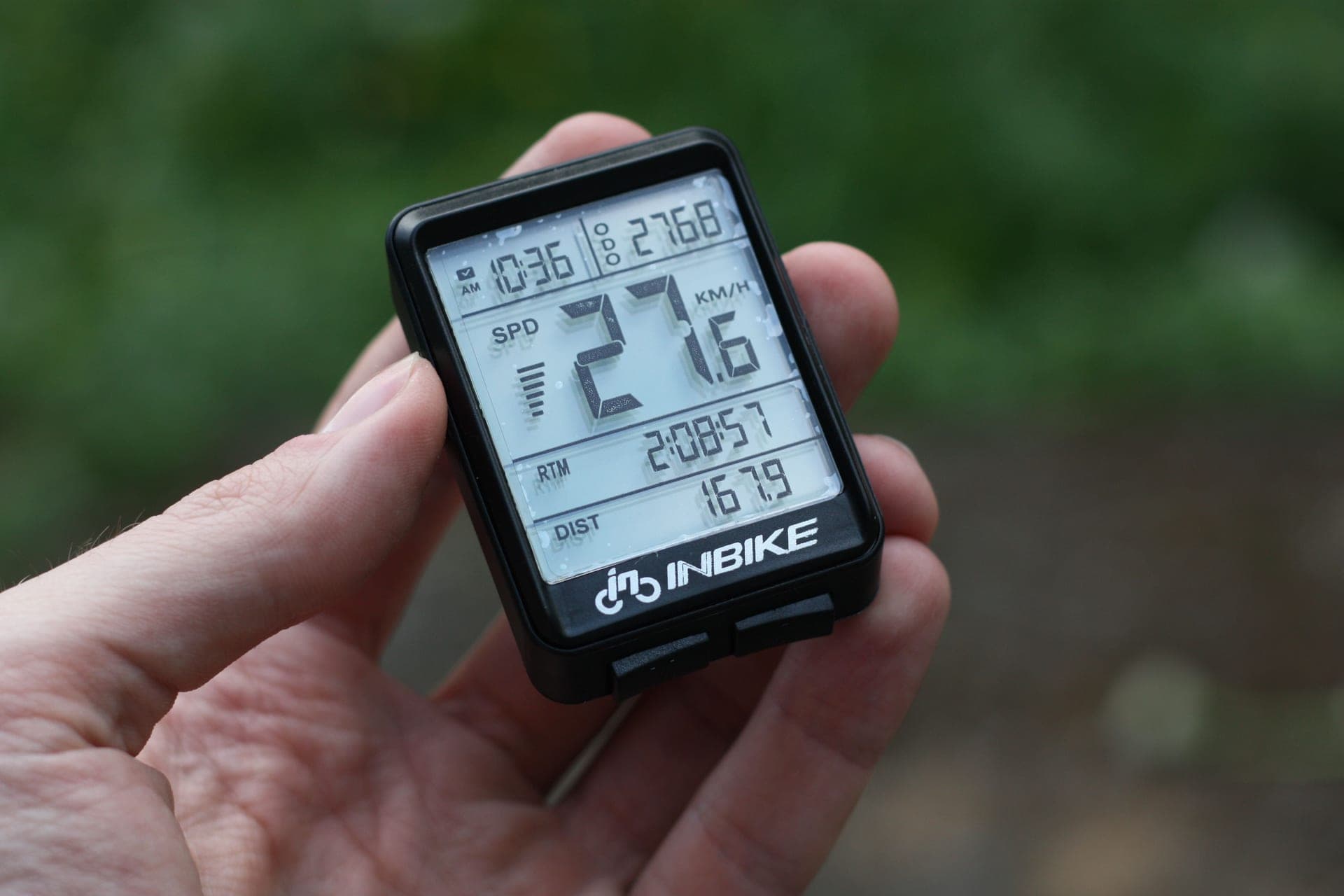
FTP — functional threshold power, the highest power you can hold in a quasi-steady state for roughly an hour — is the number nearly all structured indoor training is built from. Raising it is a slower and more boring process than most riders expect, and almost nobody fails at it for lack of effort. They fail for one of three reasons: the intensities are wrong, the recovery is wrong, or they do not complete the sessions. This page deals with all three. If you do not have a number yet, start with how to do an FTP test.
The published zones, and what each one is for
Training zones are expressed as a percentage of your FTP, which is why the figure has to be reasonably current before any of this means anything. The model below is TrainerRoad's published zone breakdown, used here because it is stated explicitly rather than inferred.
| Zone | % of FTP | What it is for | How often it can be repeated |
|---|---|---|---|
| Recovery | Under 55% | Active recovery between hard days | Freely |
| Endurance | 55-75% | Aerobic base, fat oxidation, durability | Most days |
| Tempo | 76-87% | Sustained aerobic work below the sweet spot | Often |
| Sweet spot | 88-94% | FTP, muscular endurance, aerobic engine — at repeatable fatigue cost | Several times a week |
| Threshold | 95-105% | Raising the ceiling itself, directly at FTP | Once or twice a week |
| VO2 max | 106-120% | Aerobic ceiling, which raises the roof above FTP | Once a week, in a dedicated block |
Why sweet spot does most of the lifting
Sweet spot sits at 88 to 94% of FTP — the top of tempo running into the bottom of threshold. TrainerRoad's case for it is specific and worth quoting in substance: it drives many of the same adaptations as threshold work — a higher FTP, better muscular endurance, a stronger aerobic engine — at a fatigue cost you can come back to several times a week.
That last clause is the whole argument. Threshold intervals at 100% of FTP are more physiologically pointed, but they cost more to recover from, so you get fewer of them per month. Sweet spot buys more total time in a productive intensity band across a block, and total time in band is what drives the adaptation. The same source is clear that this is not a licence to do more: more is not automatically better, and the right dose depends on your schedule, your recovery and where you are in the season.
On interval length, TrainerRoad's coaches describe starting riders who are new to structure at around 10 to 12 minutes, moving them to 20 fairly quickly, and prescribing 20 to 30 minute intervals for sweet-spot work, progressing both interval length and total time in zone over a block. That progression — same intensity, more minutes — is the mechanism. Not more watts.
Where threshold and VO2 max work fit
Threshold work (95 to 105%) is the most direct attack on the number itself. It is also the work that most benefits from ERG mode, because holding exactly 100% of FTP for 20 minutes by feel is genuinely difficult and drifting 5% low turns a threshold interval into a sweet-spot one.
VO2 max work (106 to 120%) raises the ceiling above FTP rather than FTP itself, which eventually pulls FTP up behind it. It is the most demanding work on the table, it is where riders most often over-reach, and it belongs in a focused block rather than sprinkled through every week.
Endurance riding (55 to 75%) is not filler. It is where aerobic base and durability come from, and a rider whose entire week is intervals has an FTP that holds for 20 minutes and collapses at hour three. Most of your volume should live here.
What to look for in a setup that lets you train this way
A power number from one device, consistently. Everything above is a percentage of FTP, so if your FTP came off a trainer and your intervals are paced from a different power source, the percentages are fiction. Pick one reference device for the block. How accurate are power meters explains why two honest devices never match and why consistency beats absolute accuracy here.
ERG mode, or the discipline to do without it. ERG holds the target wattage regardless of your gear, which turns a 25-minute sweet-spot interval from a concentration exercise into a pedalling exercise. If your trainer does not have it, you need a very disciplined eye on the number. ERG mode explained covers the detail, including when to turn it off.
Cooling. This is the most underrated item on the page. Indoors there is no airflow, core temperature climbs through a long interval, and the body down-regulates the effort before the legs are finished. A proper blower fan is the cheapest thing that improves the quality of your hard sessions.
Something that tells you about recovery. Heart rate is the cheap answer. A session where power is normal but heart rate is well above its usual value for that intensity is a session to cut short.
A position you can hold for an hour. Sweet-spot intervals are long, and riders abandon them for saddle discomfort as often as for legs. That is a bike fit question, not a training question.
The short answer
What actually helps you finish the sessions
| # | Product | Best for | Score | Price |
|---|---|---|---|---|
| 1 | 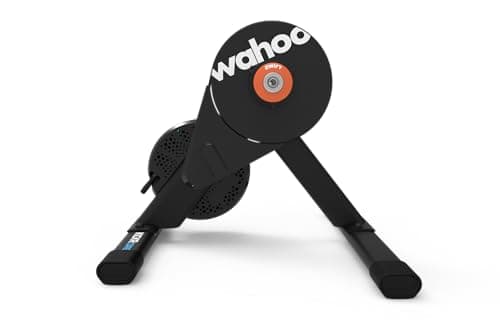 Wahoo Kickr Core 2 The trainer that makes structured training easy: ERG holds the watts so the only thing you have to do is keep pedalling. | Best trainer for holding an interval target | 9.09.0 out of 10 | $549.99 · View on Amazon #ad We may earn a commission · Price as of October 5, 2026 |
| 2 | 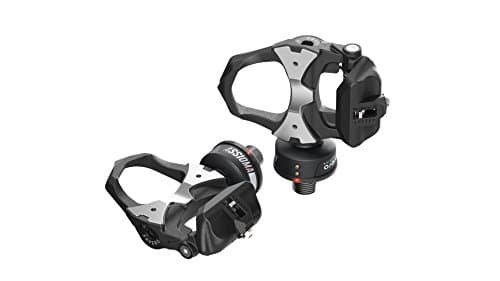 Favero Assioma Duo If your season has an outdoor half, measure both halves with the same device — otherwise your FTP means two different things. | Best power source if you also train outdoors | 9.39.3 out of 10 | $539.97 · View on Amazon #ad We may earn a commission · Price as of October 5, 2026 |
| 3 | 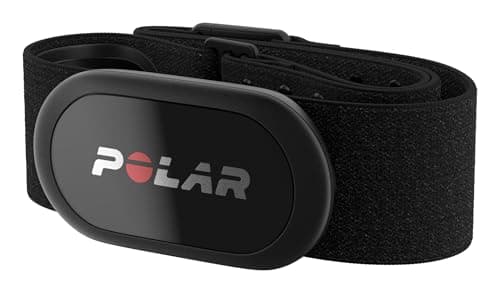 Polar H10 Power says what you did; heart rate says what it cost. The second one is how you avoid training yourself into a hole. | Best for managing the recovery side | 9.39.3 out of 10 | $104.49 · View on Amazon #ad We may earn a commission · Price as of October 5, 2026 |
| 4 | 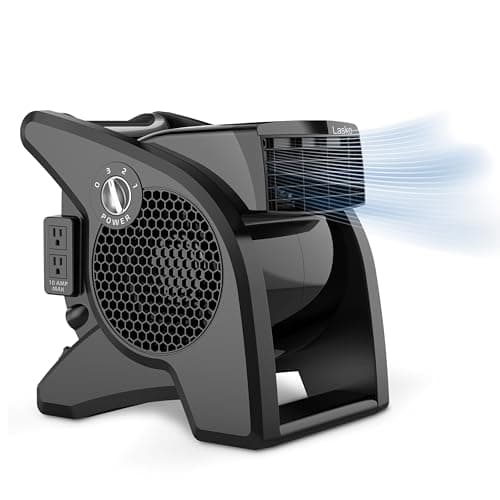 Lasko U15617 The least glamorous item on this page and the one most likely to let you finish the session that raises your FTP. | Best fan — heat is the real limiter on long threshold work | 9.09.0 out of 10 | $93.99 · View on Amazon #ad We may earn a commission · Price as of October 5, 2026 |
How long before the number moves?
Longer than a week and shorter than a season. The honest framing is that FTP responds to a block of consistent work — several weeks of the same kind of training, progressing interval length and total time in zone — and that a single good session tells you nothing. Retest at the end of a block, not on a day you happen to feel strong, because an FTP measured on a good day sets every subsequent interval target slightly too high and quietly makes the next block harder than it should be.
Two practical rules follow. First, do not retest more often than every few weeks; the test itself costs a session and the measurement noise is larger than the real change over a short window. Second, if you are using a platform that estimates FTP from your ride data rather than from a test, let it do that rather than testing constantly — Zwift vs TrainerRoad covers how the two platforms differ on this.
The mistakes that stall an FTP block
Riding every session hard. The most common error by a wide margin. If your easy rides are at 80% of FTP, they are tempo, and you are not recovering between the sessions that matter. Endurance riding should feel easy enough to be slightly boring.
An FTP that is too high. If your tested figure was optimistic, every prescribed interval is above its intended zone, you fail sessions, and you conclude you are not fit. Re-test honestly, and prefer a figure you can actually hold.
Chasing wattage inside the interval. Progression means more minutes at the same percentage, not more watts at the same duration. The watts rise when the FTP rises.
Treating heat as a fitness problem. If you consistently fade in the second interval of a session, try a fan before you change the training plan.
Comparing your number to other people's. FTP is only comparable between riders when the measurement devices and protocols match, and they almost never do. How accurate are power meters explains why a few percent between devices is normal, which is enough to make most comparisons meaningless.
Where cadence fits
Cadence is not a lever for raising FTP directly, but it changes what a given wattage costs you muscularly, and a lot of riders default to a cadence that makes long sweet-spot intervals harder than they need to be. What cadence should you ride at goes through what the research actually says, including the uncomfortable finding that the most metabolically efficient cadence is far lower than the one most people ride.
Need a trainer with ERG?
See the best smart trainers, compared on the specsThe full reviews
Every pick, in detail
Best trainer for holding an interval target
Wahoo Kickr Core 2
9.09.0 out of 10#ad We may earn a commission · Price as of October 5, 2026
The trainer that makes structured training easy: ERG holds the watts so the only thing you have to do is keep pedalling.
- Type
- Direct drive, electromagnetic
- Claimed accuracy
- ±2%, measured power
- ERG mode
- Yes — holds a wattage target regardless of gear
- Max resistance
- 1,800 W
- Connectivity
- WiFi, Bluetooth, ANT+ FE-C
- Rider limit
- 250 lb / 113 kg (Wahoo)
What we'd praise
- ERG mode is the single most useful tool for raising an FTP: it holds the target and removes the discipline problem from every interval
- Measured power at ±2%, so the number your intervals are built on comes from the same device every session
- DC Rainmaker measured it within a 1.5% spread at worst against Garmin Rally pedals and a SRAM crankset
- WiFi plus Bluetooth and ANT+ FE-C, so it connects on any platform
- The cheapest direct-drive trainer we recommend with measured power and WiFi
What we'd flag
- DC Rainmaker reported Kickr Bridge failing across two units and several straps, with Wahoo aware and the issue unresolved at publication
- 1,800 W and a 16% gradient ceiling are the lowest among the direct-drive trainers we cover
- Wahoo does not publish a flywheel weight for the Core 2
- No cassette on the Zwift Cog version — check which version you are buying
Raising an FTP comes down to repeating specific intensities often enough for the body to adapt, and the hardest part of that is not the physiology — it is holding 92% of FTP for 25 minutes when your legs want to drift to 85%. ERG mode solves exactly that. The trainer holds the target wattage regardless of your gear, so the interval happens whether or not your concentration does. ERG mode explained covers how it works, and our Kickr Core 2 review covers the trainer.
Best power source if you also train outdoors
Favero Assioma Duo
9.39.3 out of 10#ad We may earn a commission · Price as of October 5, 2026
If your season has an outdoor half, measure both halves with the same device — otherwise your FTP means two different things.
- Type
- Pedal-based, dual-sided
- Claimed accuracy
- ±1%
- Sided
- Both legs measured
- Battery
- Rechargeable, around 50 hours
- Moves between bikes
- Yes
- Weather
- IP67
What we'd praise
- One device for indoor and outdoor power, so an FTP tested indoors is the FTP you pace to outside
- ±1% on a dual-sided measurement, with no doubling assumption layered on the tolerance
- Means your winter block and your summer rides are measured on the same instrument
- Moves between bikes in minutes
What we'd flag
- Look Keo cleats
- Still needs a correct crank length entry and the occasional zero offset
- Around 50 hours and a proprietary magnetic charger
The quiet problem with an indoor-only FTP is that it is an FTP for one device. Testing on a trainer and then pacing outdoors from a different power source, or no power source, means the number you worked all winter to raise does not transfer. A pedal meter is the fix: the same instrument, both places, all year. It claims ±1% and measures both legs. Our Assioma Duo review covers it, and how accurate are power meters explains why it will not read identically to your trainer.
Best for managing the recovery side
Polar H10
9.39.3 out of 10#ad We may earn a commission · Price as of October 5, 2026
Power says what you did; heart rate says what it cost. The second one is how you avoid training yourself into a hole.
- Type
- Chest strap, ECG electrodes
- Bluetooth
- Two simultaneous connections
- ANT+
- Yes
- Battery
- Coin cell, up to 400 hours
- Onboard memory
- Yes — one session
- Water resistance
- WR30
What we'd praise
- Heart rate tells you what a session cost, which is the information power cannot give you
- Decoupling between power and heart rate over a long effort is the clearest early sign you are under-recovered
- Two Bluetooth connections plus ANT+, so it fits any platform without a pairing fight
- Up to 400 hours on a replaceable coin cell, and WR30 for sweat
What we'd flag
- A chest strap has to be damp to read cleanly at the start of a ride
- The most expensive strap we recommend
- Heart rate is a lagging indicator — it is the wrong tool for setting interval targets
FTP gains come from the training you recover from, not the training you do, and heart rate is the cheapest window into that. A session where your power is normal but your heart rate is 8 bpm higher than usual is a session to cut short. A long effort where heart rate climbs while power stays flat is telling you where your endurance actually ends. Our power meter vs heart rate monitor guide covers how the two fit together.
Best fan — heat is the real limiter on long threshold work
Lasko U15617
9.09.0 out of 10#ad We may earn a commission · Price as of October 5, 2026
The least glamorous item on this page and the one most likely to let you finish the session that raises your FTP.
- Type
- High-velocity blower fan
- Why it is here
- Core temperature limits sustained threshold efforts indoors
- Placement
- Floor, aimed at the torso
- Control
- Multiple speeds
- Running cost
- Mains power, nothing to charge
- Noise
- Audible at full speed — a real trade
What we'd praise
- Cooling is the difference between completing a 2x25-minute sweet-spot session and abandoning it in the second interval
- Air movement at the torso does more than a quiet fan pointed at your face
- The cheapest meaningful upgrade to the quality of hard indoor sessions
- Nothing to pair, nothing to charge, nothing to maintain
What we'd flag
- Loud at full speed, which matters if you share walls
- Takes up floor space in front of the bike
- Not a smart fan — it will not ramp with your power like a Headwind does
A rider who abandons threshold intervals indoors usually has not run out of fitness — they have run out of heat tolerance. Indoors there is no airflow to carry heat away, core temperature climbs, and the body down-regulates the effort well before the legs are done. A proper blower fan aimed at the torso addresses that directly, and it is by far the cheapest way to improve the quality of a hard session. Our best fans for indoor cycling roundup covers the field, including the smart options.
Good questions
Frequently asked questions
How do you improve your FTP?
By accumulating time at specific intensities, consistently, with enough recovery to absorb it. The intensity that does most of the work is sweet spot — 88 to 94% of FTP in TrainerRoad's published zone model — because it drives similar adaptations to threshold work at a fatigue cost you can repeat several times a week. Add threshold (95 to 105%) and VO2 max (106 to 120%) work on top of a solid endurance base, and progress interval length rather than wattage.
What is sweet spot training?
Riding at 88 to 94% of FTP — the upper end of tempo running into the low end of threshold. TrainerRoad's case for it is that it drives many of the same adaptations as threshold work, including a higher FTP, better muscular endurance and a stronger aerobic engine, at a fatigue cost that can be repeated several times a week rather than once.
How long should sweet spot intervals be?
TrainerRoad's coaches describe starting riders who are new to structured training at around 10 to 12 minutes, moving them to 20 minutes fairly quickly, and prescribing 20 to 30 minute intervals for sweet-spot work. The progression across a block is more minutes at the same percentage of FTP, not more watts.
How long does it take to improve FTP?
A block of several weeks of consistent work, not days. A single strong session tells you nothing, and retesting more often than every few weeks is counterproductive because the measurement noise over a short window is larger than the real change. Retest at the end of a block rather than on a day you happen to feel good.
Can you raise FTP with only endurance riding?
To a point, especially if you are new to training or coming back from a break, because aerobic base alone will lift the number. Beyond that, raising FTP needs time spent close to it — sweet spot and threshold work. Endurance riding remains most of your volume, though: it builds the base and the durability that make a high FTP usable for more than twenty minutes.
How often should I do threshold intervals?
Less often than sweet spot, because the fatigue cost is higher. Threshold work at 95 to 105% of FTP is the most direct attack on the number and typically fits once or twice a week inside a block, with sweet spot filling the repeatable intensity and endurance riding making up the volume. More is not automatically better; the right dose depends on your schedule, recovery and time of year.
Why do I fade in the second interval of a hard indoor session?
Often heat rather than fitness. Indoors there is no airflow to carry heat away, so core temperature climbs across a session and the body down-regulates the effort before the legs are done. A high-velocity blower fan aimed at your torso is the cheapest fix and often the difference between finishing a 2x25-minute sweet-spot session and abandoning it.
Does ERG mode help raise FTP?
Indirectly but substantially. ERG mode holds the target wattage regardless of your gear, so a long interval becomes a pedalling task rather than a concentration task — and the most common way a sweet-spot interval fails is drifting five percent low without noticing. It also makes the session repeatable, because the intensity is identical every time.
How we sourced this
- TrainerRoad — Sweet Spot Training (88-94% of FTP; published zone model: recovery under 55%, endurance 55-75%, tempo 76-87%, sweet spot 88-94%, threshold 95-105%, VO2 max 106-120%; repeatable several times a week)
- TrainerRoad forum — coaches on sweet-spot interval length (10-12 minutes for newcomers, progressing to 20, with 20-30 minute intervals typically prescribed)
- Zwift Insider — FTP test protocols (95% of a 20-minute average; 75% of the best 1-minute in a ramp test; ERG off for the 20-minute effort)
- BikeRadar — how to take an FTP test on Zwift (ramp protocol: 100 W start, +20 W per minute)
- DC Rainmaker — Wahoo Kickr Core 2 in-depth review (within a 1.5% spread at worst vs Garmin Rally pedals and a SRAM crankset; Kickr Bridge failures)
- Favero — Assioma Duo specifications, ±1% (manufacturer)
- Polar — H10 sensor specifications (manufacturer)
Keep going