Head to Head
Elite Avanti vs Elite Rivo
Same flywheel, same gradient ceiling, near-identical resistance. The Avanti's premium buys a torque sensor and two radios — and whether you need either is the entire decision.
The short answer
Quick picks
| # | Product | Best for | Score | Price |
|---|---|---|---|---|
| 1 | 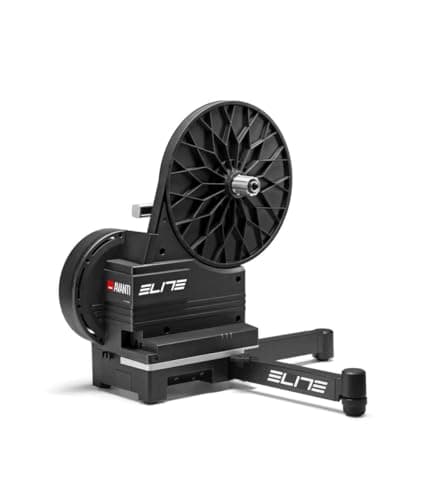 Elite Avanti The cheapest Elite that measures your power, with ANT+ and a wired port — buy it over the Rivo if the number has to be right or if anything you own speaks ANT+ only. | Best for measured power and ANT+ | 8.58.5 out of 10 | $749.99 · View on Amazon #ad We may earn a commission · Price as of September 18, 2026 |
| 2 | 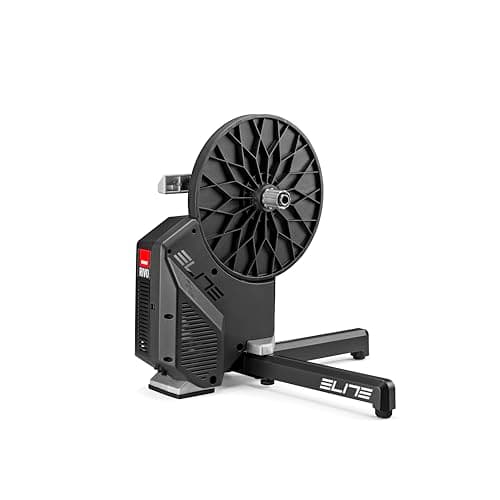 Elite Rivo The same ride as the Avanti with an estimated power number and no ANT+ — and if you only ride Zwift over Bluetooth or WiFi, that is a very good trade. | Best value if you only ride Zwift | 7.87.8 out of 10 | $549.99 · View on Amazon #ad We may earn a commission · Price as of September 18, 2026 |
| 3 | 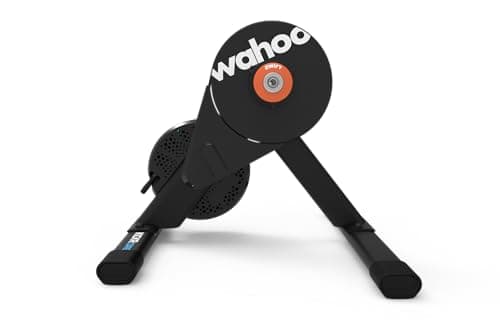 Wahoo Kickr Core 2 Splits the difference: measured power and ANT+ like the Avanti, a Rivo-adjacent price, and a heavier flywheel than both — at the cost of the lowest ceilings on the page. | The cross-shop between the two | 9.09.0 out of 10 | $548.99 · View on Amazon #ad We may earn a commission · Price as of September 18, 2026 |
Elite launched the Avanti and the Rivo as a pair, and reading their two specification pages side by side makes the relationship obvious. The flywheel is 4 kg on both. The maximum simulated slope is 18% on both. The resistance ceiling is 2,100 W on the Avanti and 2,000 W on the Rivo, both quoted at 40 km/h, a difference nobody will feel. Both have onboard WiFi, both pull their own firmware updates, both support Zwift Cog and Click, both ship with a Shimano/SRAM 9-11 speed freehub and no cassette, and Elite lists the same accessory freehub bodies and axle adapters for each. The rider limit is 110 kg on both.
That leaves three real differences, and they are the whole comparison: how the trainer produces its power number, which radios it has, and what the frame is like to live with. We have not tested either unit; every figure below is from Elite's specification pages, and the behavior notes are attributed to DC Rainmaker's reviews in the sources.
Difference one: measured versus estimated power
The Avanti has an optical torque sensor and Elite claims ±1%. The Rivo has no sensor; it estimates power from the state of its electromagnetic resistance unit and the flywheel speed, and Elite states ±2.5%. Those are not just different numbers — they are different kinds of number. A measured trainer reads the actual force on the drivetrain. An estimated trainer reads its own model of what that force should be, which drifts with temperature and wear unless the calibration holds. We explain why that distinction matters more than the headline percentages in how accurate are smart trainers.
In practice: if you ride Zwift for fitness and fun, an estimated number that is consistent with itself week to week is enough. If you race, if you follow a plan whose zones you set from a test, or if you own a power meteroutdoors and expect the two to agree, you want the sensor. DC Rainmaker's Avanti review found it within a few watts of reference meters; the same reviewer's hands-on with the Rivo notes it shares the Avanti's electronics but not its measurement.
| Elite Avanti | Elite Rivo | Wahoo Kickr Core 2 | |
|---|---|---|---|
| Power | Measured, optical torque sensor | Estimated | Measured |
| Claimed accuracy | ±1% | ±2.5% | ±2% |
| Max resistance | 2,100 W at 40 km/h | 2,000 W at 40 km/h | 1,800 W |
| Max gradient | 18% | 18% | 16% |
| Flywheel | 4 kg | 4 kg | 5.4 kg |
| ANT+ | Yes | No | Yes |
| WiFi | Yes | Yes | Yes |
| Wired port | Ethernet | No | No |
| Flex feet | Yes | No | No |
| Folding legs / handle | No | Yes | No |
| Weight | 13 kg | 10 kg | Heavier than both |
| Cassette included | No | No | Yes (11-speed) or Zwift Cog |
| Rider limit | 110 kg | 110 kg | 113 kg |
Difference two: the radios
The Rivo has Bluetooth and WiFi. The Avanti has Bluetooth, WiFi, ANT+ and a wired Ethernet port. For most Zwift riders on a laptop, tablet or Apple TV, the Rivo's list is complete — Bluetooth pairs it, WiFi keeps it stable. The Avanti's extras matter in specific cases. A Garmin or Wahoo head unit that records your indoor rides over ANT+ cannot see the Rivo. An older desktop setup that relies on an ANT+ donglecannot see the Rivo. And a rider who has fought wireless dropouts in a crowded apartment building may value the Avanti's Ethernet port more than any other feature on the page. If none of those describes you, the Rivo's radio set is not a compromise.
Difference three: living with it
Here the Rivo wins outright. It weighs 10 kg to the Avanti's 13, its legs fold, and it has an integrated handle — folded, it is a trainer that stands against a wall behind a door. The Avanti is a fixed frame that takes a permanent position, and what it offers in return is a set of flex feet that let the bike sway a little laterally, plus compatibility with Elite's Rizer if you later want physical gradient. If the trainer lives in a shared room or a small apartment — our apartment pain cave guide covers that problem — the Rivo's form factor is a real advantage rather than a footnote.
What the premium does not buy
Road feel. The flywheel is the same 4 kg on both, and in Elite's range that is the light end; a Kickr Core 2 carries 5.4 kg and a Kickr v6 carries 16 lb. At low cadence on a steep virtual climb both Elites feel less settled through the dead spot than a heavier-flywheel trainer, and paying for the Avanti does not change that. Nor does it buy gradient: 18% on both. If road feel is what you are shopping for, neither of these is the trainer, and the Core 2 or the trainers in our best smart trainers roundup are where to look.
The verdict
Rivoif you ride Zwift over Bluetooth or WiFi, your goal is fitness rather than a number you defend, and the trainer has to fold away. The estimated power figure is consistent enough for that job, and everything else about the ride is the Avanti's. Avanti if you race, if you compare seasons, if you own an outdoor power meter, if any device you rely on speaks ANT+ only, or if a wired connection would end a dropout problem. It is the cheapest Elite that measures power, and that is the honest reason to pay for it. And if you are between the two and do not need folding legs, the Kickr Core 2 measures power, has ANT+, and carries a heavier flywheel than either — at the cost of lower ceilings.
Decided the sensor is worth it?
Read the full Elite Avanti reviewThe full reviews
Head to head
#1 · Best for measured power and ANT+
Elite Avanti
8.58.5 out of 10#ad We may earn a commission · Price as of September 18, 2026
The cheapest Elite that measures your power, with ANT+ and a wired port — buy it over the Rivo if the number has to be right or if anything you own speaks ANT+ only.
- Type
- Direct drive, electromagnetic
- Claimed accuracy
- ±1% (optical torque sensor)
- Max resistance
- 2,100 W at 40 km/h
- Max gradient
- 18%
- Flywheel
- 4 kg
- Connectivity
- ANT+, Bluetooth, WiFi, Ethernet, Zwift
- Weight
- 13 kg
- Rider limit
- 110 kg (242 lb)
What we'd praise
- A real optical torque sensor at ±1% — the number is measured, not modeled from resistance
- ANT+ radio and a wired Ethernet port, neither of which the Rivo has at all
- Auto-calibration that holds through temperature swings
- Flex feet give a little lateral give; Rizer-compatible if you later want gradient simulation
- Zwift Cog and Click supported, with a version that ships them in the box
What we'd flag
- Same 4 kg flywheel as the Rivo — the extra money does not buy road feel
- 18% ceiling, the same as the Rivo; the premium does not buy gradient either
- No cassette in the box, and 3 kg heavier without folding legs
- Independent testing reported an audible metallic whistle and grinding well past the gradient ceiling
Elite's spec page lists the Avanti at ±1% with an integrated optical torque sensor. That single line is the reason it costs more than the Rivo: the Rivo estimates power from its resistance model, the Avanti measures it. Around that sensor Elite added the full radio set — ANT+, Bluetooth, WiFi and a wired Ethernet port — and flex feet.
What it did not add is a heavier flywheel or a higher gradient ceiling; both are the Rivo's figures. Our Elite Avanti review covers the trainer in full, including which of the two retail versions to buy.
#2 · Best value if you only ride Zwift
Elite Rivo
7.87.8 out of 10#ad We may earn a commission · Price as of September 18, 2026
The same ride as the Avanti with an estimated power number and no ANT+ — and if you only ride Zwift over Bluetooth or WiFi, that is a very good trade.
- Type
- Direct drive, electromagnetic
- Claimed accuracy
- ±2.5%, estimated power
- Max resistance
- 2,000 W at 40 km/h
- Max gradient
- 18%
- Flywheel
- 4 kg
- Connectivity
- Bluetooth, WiFi, Zwift protocol
- Weight
- 10 kg, folding legs with handle
- Rider limit
- 110 kg (242 lb)
What we'd praise
- Same 18% ceiling, near-identical resistance and the same flywheel as the Avanti, for a lot less
- 10 kg with folding legs and an integrated handle — the Avanti has neither
- Onboard WiFi and automatic firmware updates, shared with the Avanti
- Zwift Cog and Click compatible; freehub pre-installed for Shimano/SRAM 9-11 and Shimano 12-speed road
- Elite lists Micro Spline, Campagnolo and XD/XDR freehub bodies as accessories
What we'd flag
- Power is estimated at ±2.5% — no torque sensor, so accuracy depends on the model staying calibrated
- No ANT+ at all: ANT+ head units and older dongles cannot see it
- No Ethernet port, no flex feet, no Rizer compatibility
- Boost 148 thru-axle adapter is a separate purchase
DC Rainmaker described the Rivo as a blend of the Suito's flywheel and inertia with the Avanti's electronics, software and brake, and that is the most useful way to understand it. Elite built one platform and offered it at two prices: the Rivo with an estimated power figure and Bluetooth/WiFi only, the Avanti with a torque sensor and the full radio set.
The Rivo also happens to be the more practical object — three kilograms lighter, folding, with a handle. Our Elite Rivo review weighs the estimated power number honestly, and Kickr Core 2 vs Elite Rivoputs it against Wahoo's trainer at the same money.
#3 · The cross-shop between the two
Wahoo Kickr Core 2
9.09.0 out of 10#ad We may earn a commission · Price as of September 18, 2026
Splits the difference: measured power and ANT+ like the Avanti, a Rivo-adjacent price, and a heavier flywheel than both — at the cost of the lowest ceilings on the page.
- Type
- Direct drive, electromagnetic
- Claimed accuracy
- ±2%, measured
- Max resistance
- 1,800 W
- Max gradient
- 16%
- Flywheel
- 5.4 kg
- Connectivity
- WiFi, Bluetooth, ANT+ FE-C
- Rider limit
- 250 lb (113 kg)
What we'd praise
- Sits between the two Elites on price and on accuracy: measured power at ±2%
- 5.4 kg flywheel is a third heavier than either Elite, and the ride feel shows it
- ANT+ FE-C plus WiFi and Bluetooth, and Race Mode at 10 Hz for Zwift
- Boost 148 adapter in the box
What we'd flag
- 1,800 W and 16% — lower ceilings than either Elite
- No folding legs, no handle, no Ethernet port
- ±2% is looser than the Avanti's ±1%
If you are weighing an Avanti against a Rivo, the Core 2 is the trainer that makes the decision harder in a useful way. It measures power, like the Avanti, at a looser ±2%. It has ANT+, which the Rivo lacks. It costs closer to the Rivo than to the Avanti. And it carries a 5.4 kg flywheel against Elite's 4 kg, which is the one place both Elites are identical and both are beaten.
The cost is the ceiling — 1,800 W and 16% against 2,000 and 18% — and the lack of anything foldable. Our Kickr Core 2 review has the detail.
Good questions
Frequently asked questions
What is the difference between the Elite Avanti and Elite Rivo?
The Avanti measures power with an optical torque sensor at a claimed ±1% and has ANT+, Bluetooth, WiFi and an Ethernet port. The Rivo estimates power at ±2.5% and has Bluetooth and WiFi only. Both share a 4 kg flywheel, an 18% gradient ceiling, Zwift Cog and Click support and a 110 kg rider limit. The Rivo is 3 kg lighter, folds and has a handle.
Is the Elite Avanti more accurate than the Rivo?
Yes, and by design rather than by degree. The Avanti has a torque sensor that measures force on the drivetrain; the Rivo has no sensor and estimates power from its resistance model. Elite claims ±1% for the Avanti and ±2.5% for the Rivo.
Does the Elite Rivo have ANT+?
No. The Rivo connects over Bluetooth and WiFi only. Any ANT+ head unit or ANT+ dongle cannot see it. The Avanti adds ANT+ and a wired Ethernet port.
Do the Elite Avanti and Rivo have the same flywheel?
Elite lists 4 kg for both. The Avanti's premium does not buy road feel; it buys the torque sensor, the extra radios and flex feet. A Wahoo Kickr Core 2 carries a heavier 5.4 kg flywheel than either.
Is the Elite Rivo good enough for Zwift?
Yes. It has onboard WiFi, Bluetooth, the Zwift protocol, Zwift Cog and Click support and an 18% gradient ceiling. Its estimated power is consistent enough for Zwift riding and racing at the community level; riders who need their number to match an outdoor power meter should choose the Avanti.
Does either trainer come with a cassette?
No. Both ship with a Shimano/SRAM 9-11 speed freehub (also Shimano 12-speed road) and no cassette. Both support Zwift Cog and Click as an alternative, and the Avanti is sold in a version with the Cog and Click included.
Should I buy the Elite Avanti or the Wahoo Kickr Core 2?
The Core 2 measures power at ±2%, has ANT+ and WiFi, carries a heavier 5.4 kg flywheel and costs less than the Avanti, but its ceilings are lower at 1,800 W and 16%. The Avanti is the choice for the tightest accuracy claim, an Ethernet port and flex feet; the Core 2 for road feel and price.
How we sourced this
- Elite — Avanti specifications (±1%, 2,100 W, 18%, 13 kg, ANT+/Bluetooth/Ethernet/WiFi, freehub options)
- Elite — Rivo specifications (±2.5%, 2,000 W, 18%, 10 kg, folding, adapters and freehub bodies)
- DC Rainmaker — Elite Rivo announcement and hands-on (110 kg rider limit, no ANT+, Suito/Avanti lineage)
- DC Rainmaker — Elite Avanti in-depth review (accuracy testing, adapters, cassette not included)
- DC Rainmaker — Wahoo Kickr Core 2 in-depth review (±2%, adapters, 250 lb)
Keep going