Start Here
Do I Need a Trainer Tire?
The answer depends entirely on one thing: whether your rear wheel is in the trainer. Here is the honest version, including when the cheaper fix is a second wheel rather than a special tire.
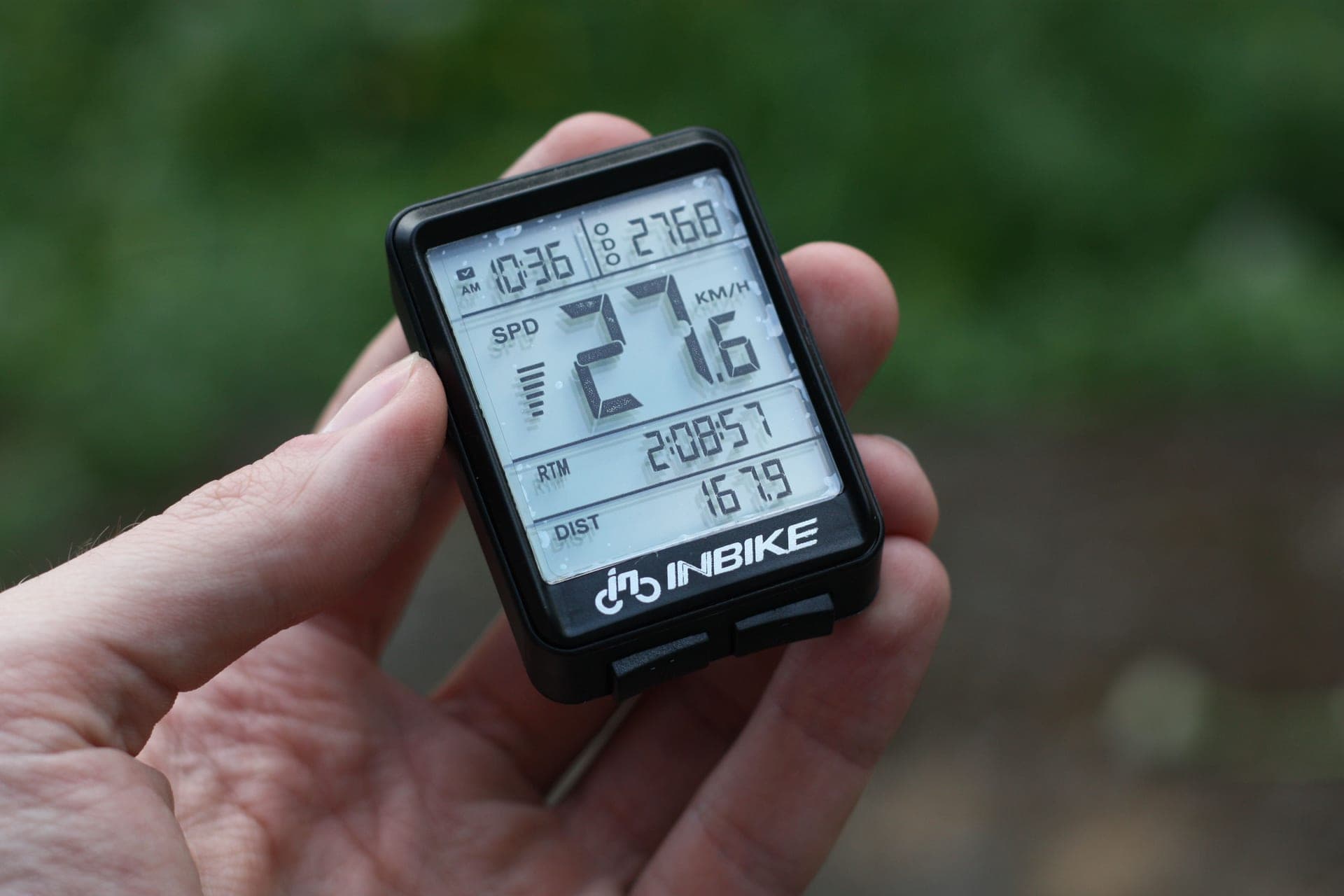
This question is asked constantly and answered confusingly, because the answer flips completely depending on the type of trainer you own. So start by establishing which one you have.
Direct drive: the question does not apply
On a direct-drive trainer you remove the rear wheel entirely and mount the bike onto the trainer's own freehub, fitted with a cassette or a Zwift Cog. There is no tire anywhere in the power path. Buying a trainer tire for a direct-drive setup is buying a solution to a problem you do not have.
What you do need on a direct-drive trainer is a matched cassette or Cog, the right adapters for your axle standard, and a mat. How to set up a smart trainer covers that properly, and direct drive vs wheel-on explains the difference if you are still choosing.
Wheel-on: what a trainer tire actually fixes
Wear. This is the main one. A road tire against a steel roller, under pressure, at indoor temperatures with no airflow over the contact patch, wears far faster than it does on tarmac. Riders who train indoors through a winter on a road tire routinely report destroying one in weeks. A harder trainer compound slows that dramatically.
Rubber dust. A tire wearing that fast deposits itself on your floor as black powder. A mat catches it — see best bike trainer mats — but a trainer tire reduces how much there is in the first place.
Noise. A tread pattern against a roller drones, and a worn, squared-off tire drones worse. A slick trainer tire is meaningfully quieter, which matters in a flat or a shared house. Best quiet smart trainers and apartment indoor cycling setups cover the rest of the noise problem.
Consistency of virtual power. On a non-smart trainer, Zwift derives your watts from wheel speed against a published curve, which assumes a consistent contact patch and tire pressure. A tire that is wearing rapidly and heating up is a moving target. A stable trainer tire plus a repeatable pressure makes those numbers less erratic.
What a trainer tire does not fix
It does not make a wheel-on trainer accurate. Virtual power and tire-pressure sensitivity are properties of the trainer, not the rubber — see how accurate are smart trainers. It does not make the trainer quiet, only quieter. And it does not help at all with heat in the room, which is what a fan is for.
| Your setup | Trainer tire? | Why |
|---|---|---|
| Direct-drive smart trainer | No | The rear wheel is removed; no tire is involved |
| Wheel-on trainer, 3+ rides a week | Yes | Wear, dust and noise all become real costs |
| Wheel-on trainer, occasional use | Optional | A tire you were replacing anyway does the job |
| Wheel-on trainer, one bike, frequent outdoor rides | Second wheel instead | Avoids swapping tires twice a week |
| Rollers | No | Both tires run on drums; normal tires are the intended setup |
The hidden cost: swapping
The part nobody mentions is the logistics. A trainer tire is indoor-only, which means that if you have one bike and one rear wheel, every transition between indoor and outdoor riding is a tire change. Twice a week in February that gets old quickly, and it is why many riders end up at one of two conclusions.
Buy a second rear wheel with the trainer tire permanently fitted. A cheap used wheel plus a trainer tire turns a ten-minute job into a thirty-second one, and it is the answer for anyone who rides both indoors and outdoors in the same week.
Or just use a worn road tire. If you only ride indoors now and then, the tire you were about to throw away is a perfectly good trainer tire. It will not last, but it was not going to anyway.
If you are reading this because your wheel-on trainer is the limiting part of your setup, the honest alternative is to put the money toward a direct-drive unit instead — our best budget smart trainers page covers what the entry level now buys, and best turbo trainers covers wheel-on units if you are staying.
The short answer
Trainer tires worth buying
| # | Product | Best for | Score | Price |
|---|---|---|---|---|
| 1 | 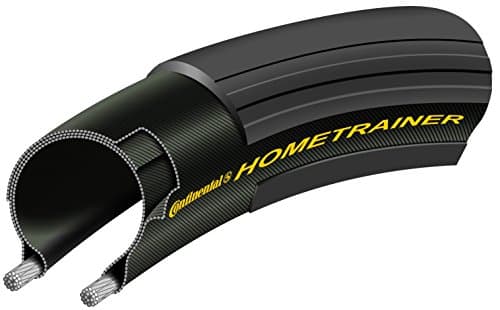 Continental Hometrainer The trainer tire to buy if you have a wheel-on trainer and you ride it often enough to care about wear. | Best trainer tire overall | 9.09.0 out of 10 | |
| 2 | 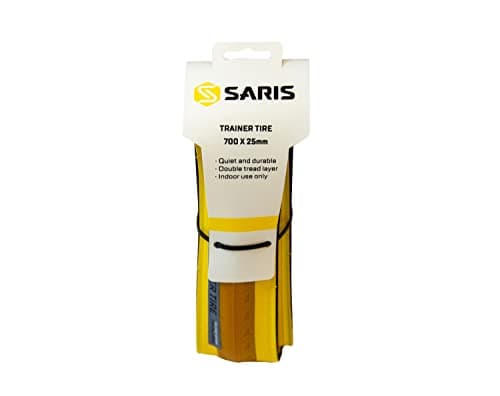 Saris Indoor Trainer Tire The budget pick, and the bright yellow makes the indoor-only rule impossible to forget. | Cheapest dedicated trainer tire | 8.68.6 out of 10 | |
| 3 | 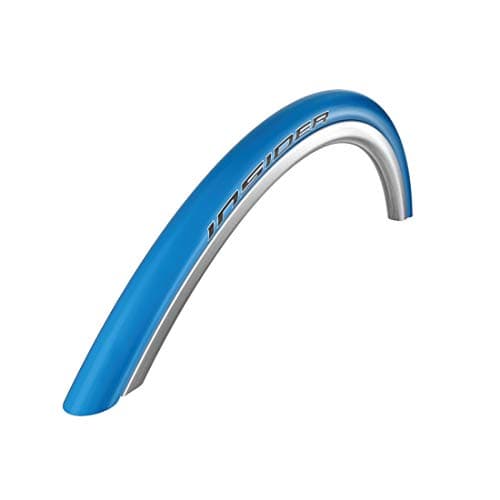 Schwalbe Insider Trainer The one to buy if the trainer is your main bike all winter and you want to fit a tire once. | Longest-lasting option for heavy indoor mileage | 8.78.7 out of 10 | $141.46 · View on Amazon #ad We may earn a commission · Price as of October 21, 2026 |
One safety rule, and it is not optional
Do not ride a trainer tire on the road. The compound is formulated for a dry steel roller, not for grip on tarmac, and certainly not in the wet. Manufacturers mark these tires indoor-only — Saris uses bright yellow, Schwalbe prints the warning on the sidewall — because riding out of the door on one is a genuine hazard rather than a technicality. If you run one bike and one wheel, develop the habit of checking which tire is fitted before you leave.
Decided you need one?
See every trainer tire rankedThe full reviews
Every pick, in detail
Best trainer tire overall
Continental Hometrainer
9.09.0 out of 10The trainer tire to buy if you have a wheel-on trainer and you ride it often enough to care about wear.
- Type
- Indoor trainer tire
- Size
- 700 x 23c
- Bead
- Folding
- Compound
- Harder trainer-specific rubber
- Job
- Reduces wear, dust and noise
- Use
- Indoor only
What we'd praise
- The default recommendation in this category, and the one most wheel-on riders end up with
- A folding bead, so it is easy to fit and easy to store between seasons
- Harder compound means less rubber dust on the floor and much slower wear against the roller
- Noticeably quieter against a roller than a worn road tire
What we'd flag
- Indoor use only — the compound is not designed for grip on a road
- 700 x 23c, so it is a road-width product rather than a universal one
- Pointless if your trainer is direct drive, because there is no tire in the drivetrain at all
A trainer tire exists to solve one problem: a road tire pressed hard against a steel roller gets hot, sheds rubber and goes off quickly. Continental's Hometrainer uses a harder compound in a 700 x 23c folding casing, and the differences you actually notice are less black dust on the floor, far slower wear, and a quieter roller.
The constraint is in the name: this is an indoor tire, and it is not intended to grip a wet road. That is why the real question on this page is not which tire but whether your setup needs one at all. Our best trainer tires page ranks the whole category.
Cheapest dedicated trainer tire
Saris Indoor Trainer Tire
8.68.6 out of 10The budget pick, and the bright yellow makes the indoor-only rule impossible to forget.
- Size
- 700 x 25c
- Color
- Yellow
- Compound
- Trainer-specific
- Tread
- Slick
- Visual cue
- Bright color signals indoor-only
- Use
- Indoor only
What we'd praise
- The lowest-cost way to stop destroying road tires on a wheel-on trainer
- 700 x 25c, which suits the wider rims and tires most current road bikes run
- The bright yellow is a genuine safety feature: nobody rides out of the door on it by mistake
- Slick tread, so there is no tread pattern to drone against the roller
What we'd flag
- Indoor only, and the color is there to remind you
- Less widely reviewed than the Continental
- Still a tire swap or a second wheel, which is the real cost of this whole idea
If the purchase feels marginal, this is the version to buy: a slick 700 x 25c trainer-compound tire at the lowest price in the category. The 25c width matters more than it used to, because a lot of current road bikes are set up around 25 to 28 mm rubber and a 23c trainer tire can be a slightly awkward fit on a wide modern rim.
The bright yellow is not styling. A trainer tire on a road is genuinely unsafe, and a color you cannot miss is a better safeguard than a note on the garage wall.
Longest-lasting option for heavy indoor mileage
Schwalbe Insider Trainer
8.78.7 out of 10#ad We may earn a commission · Price as of October 21, 2026
The one to buy if the trainer is your main bike all winter and you want to fit a tire once.
- Size
- 700 x 23c
- Bead
- Folding
- Type
- Tube type
- Compound
- PerformanceLine indoor compound
- Color
- Blue, marked inside use only
- Use
- Indoor only
What we'd praise
- Built for riders doing serious indoor hours through a winter, not occasional sessions
- Folding bead and a tube-type construction that is simple to fit and simple to repair
- Marked inside-use-only on the tire itself
- Schwalbe's PerformanceLine indoor compound is a known quantity among long-term trainer users
What we'd flag
- The most expensive of the three, which only pays back on high mileage
- 700 x 23c again, so the same width caveat as the Continental
- Indoor only, and visibly so
The Insider is aimed at the rider who is on a wheel-on trainer four or five times a week from November to March. A folding 700 x 23c tube-type casing with Schwalbe's PerformanceLine indoor compound, marked for inside use on the sidewall, and the durability to make a single fitting last the season.
On lower mileage the cheaper options make more sense; the case for this one is entirely about not doing the job twice.
Good questions
Frequently asked questions
Do I need a trainer tire?
Only if your trainer is wheel-on. On a direct-drive trainer the rear wheel is removed and the chain runs onto the trainer's own cassette, so no tire is involved at all. On a wheel-on trainer ridden regularly, a trainer tire slows wear dramatically, reduces rubber dust and makes the roller quieter.
Can I use a regular tire on a bike trainer?
Yes, but it wears fast. A road tire pressed against a steel roller with no airflow over the contact patch sheds rubber quickly and squares off, and riders training through a winter on one often destroy it in weeks. If you ride indoors only occasionally, using a tire you were about to replace anyway is a perfectly sensible plan.
Can you ride a trainer tire outside?
No. Trainer tires use a hard compound designed for a dry steel roller, not for grip on tarmac, and they are not safe in the wet. Manufacturers mark them indoor-only, which is why Saris makes its tire bright yellow and Schwalbe prints an inside-use-only warning on the sidewall.
What is the best trainer tire?
The Continental Hometrainer is the default pick: a harder trainer compound in a 700 x 23c folding casing that cuts wear, dust and noise against a roller. The Saris Indoor Trainer Tire is the cheapest dedicated option and comes in 700 x 25c, and the Schwalbe Insider is the longest-lasting choice for heavy indoor mileage.
Should I buy a second wheel for my trainer?
If you ride both indoors and outdoors in the same week, yes. A cheap second rear wheel with the trainer tire permanently fitted turns every changeover from a ten-minute tire swap into a thirty-second wheel swap, and it removes the risk of accidentally riding a trainer tire on the road.
Do rollers need a trainer tire?
No. On rollers both wheels sit on drums and the bike is not clamped, so normal tires are the intended setup and a dedicated indoor tire is not required. Rollers wear tires differently from a wheel-on trainer because the load is spread rather than concentrated at a single pressed contact patch.
How we sourced this
Keep going