Head to Head
Chest Strap vs Armband Heart Rate Monitor
Two different measurements, not two versions of the same one. The right answer depends on how hard your intervals are and whether you will actually wear the thing.
The short answer
Quick picks
| # | Product | Best for | Score | Price |
|---|---|---|---|---|
| 1 | 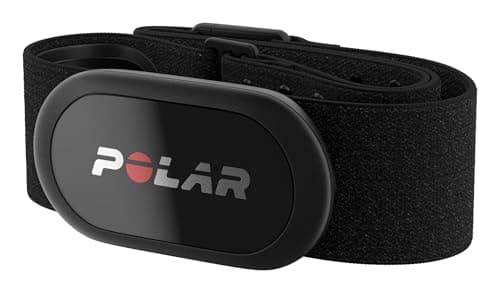 Polar H10 If you can wear a chest strap, wear this one: electrical measurement that keeps up with intervals, and the connectivity to feed two devices at once. | Best chest strap, and the reference point | 9.09.0 out of 10 | $104.45 · View on Amazon #ad We may earn a commission · Price as of October 21, 2026 |
| 2 | 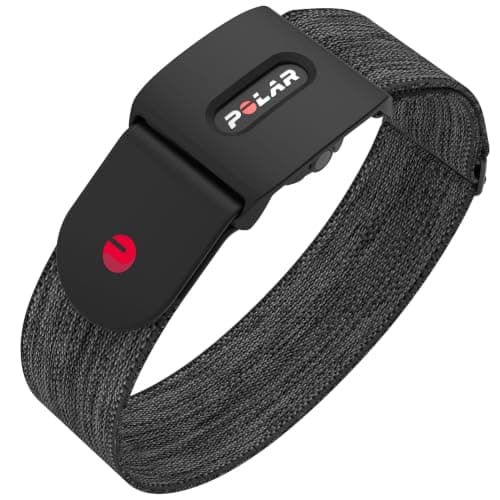 Polar Verity Sense The armband that is actually competitive: same dual-Bluetooth-plus-ANT+ connectivity as a good chest strap, with the comfort that makes you wear it. | Best armband, and the one to buy if straps are out | 8.58.5 out of 10 | $104.95 · View on Amazon #ad We may earn a commission · Price as of October 21, 2026 |
| 3 | 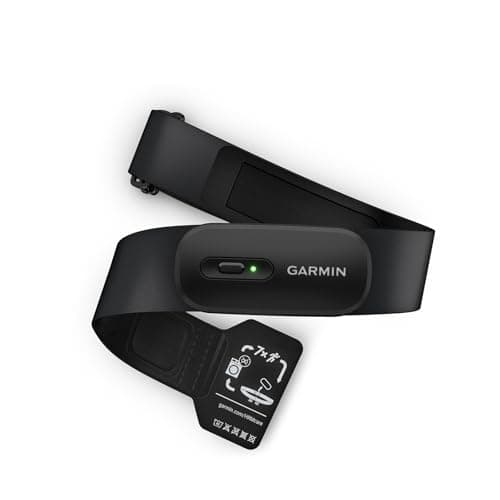 Garmin HRM 200 The straightforward Garmin strap: dual protocol, coin-cell simplicity, and zero friction with Garmin head units. | Best chest strap for a Garmin setup | 8.78.7 out of 10 | |
| 4 | 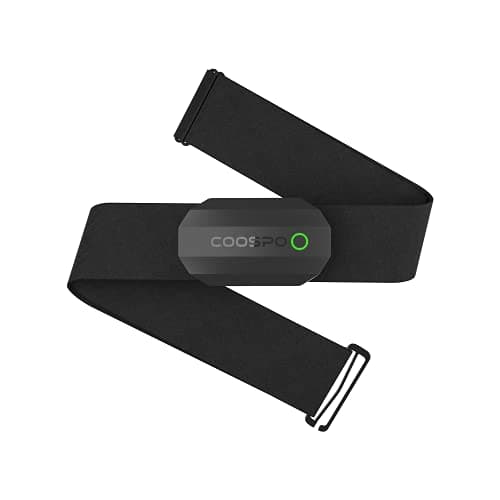 COOSPO H808S Heart Rate Monitor The cheap experiment: dual-band electrical heart rate for very little, and the right way to answer the comfort question before you spend properly. | Cheapest way to test whether you can live with a strap | 8.48.4 out of 10 | $29.99 · View on Amazon #ad We may earn a commission · Price as of October 21, 2026 |
These are not two designs of the same product. A chest strap is an electrical sensor: it reads the voltage your heart generates as it beats, which is the same signal a hospital ECG reads. An armband is an optical sensor: it shines light into tissue and infers your pulse from how blood flow changes the reflection. One measures the cause; the other measures a consequence.
Why that difference shows up on intervals
A consequence lags its cause. When you jump from endurance pace into a 30-second effort, the electrical signal changes immediately and the blood-flow change that an optical sensor reads follows a moment later. On a long steady ride you will never notice. On short, hard intervals — exactly the work most people do indoors — the armband trace is smoother and a beat or two behind.
There is a second, more practical difference indoors. Optical sensing depends on contact, and contact depends on the band being snug and staying put. Armbands on sweaty arms can slip, and a slipped sensor produces readings that look like a heart doing something alarming.
Chest straps have their own version of this: a dry strap at the start of an indoor session reads badly until you have sweated into it. Wetting the electrodes before you start fixes it and is the single most useful habit in this category.
| Chest strap | Optical armband | |
|---|---|---|
| What it measures | The heart's electrical signal | Blood flow in tissue |
| Response to a hard effort | Immediate | Slight lag |
| Comfort | A band around the ribs | A band on the upper arm |
| Preparation | Wet the electrodes first | None, but it must be snug |
| Typical failure | Dry strap, worn-out band | Slipped or loose band |
| Battery | Coin cell on both picks here | Rechargeable, up to 30 h (Verity Sense) |
| Simultaneous links | 2 Bluetooth + ANT+ (H10) | 2 Bluetooth + ANT+ (Verity Sense) |
What is the same, and it matters more than people expect
Connectivity. Both the Polar H10 and the Polar Verity Sense broadcast ANT+ and two simultaneous Bluetooth connections, which means either can feed Zwift and a head unit at the same time. Do not assume an armband is the compromise here — on these two products it is not.
That dual-connection figure is worth checking on anything you buy, because it decides whether you can run your training app and your bike computer together. It is also the number that bites on Apple TV, which supports two Bluetooth connections in total across all your devices — see Zwift on Apple TV.
Which one suits which rider
Buy a chest strap if you do structured interval work, you test or retest thresholds, you want the most responsive trace available, or you simply do not mind wearing one. Our FTP test guide and how to improve your FTP both assume data you can trust at the hard end.
Buy an armband if you find chest straps uncomfortable, you have skin that reacts to them, you ride mostly steady endurance, or — most common of all — you own a chest strap and have stopped wearing it. Consistency beats precision for almost every training purpose.
Buy neither if you already have power. Heart rate is a useful second signal, but it is slow, and it drifts with heat, caffeine, sleep and stress. If you are choosing between a heart rate monitor and a power source, power meter vs heart rate monitor makes that case properly.
The indoor-specific considerations
Heat. Indoor heart rate runs higher than outdoor heart rate at the same power, because you have no airflow to shed heat. That is cardiac drift, not a faulty sensor, and the fix is a decent fan rather than a different monitor.
Sweat. Both types live in sweat for an hour at a time. Rinse the strap or band after sessions, and remember that on a chest strap the fabric wears out long before the pod does and is replaceable on both Polar and Garmin units. Sweat protection covers the rest of your equipment.
Wrist sensors are not in this comparison for a reason. A watch on a wrist that is gripping handlebars is the worst case for optical sensing: bone, tendon and constant pressure changes. If you want optical, wear it on your upper arm.
Ready to choose?
See every heart rate monitor rankedThe full reviews
Head to head
#1 · Best chest strap, and the reference point
Polar H10
9.09.0 out of 10#ad We may earn a commission · Price as of October 21, 2026
If you can wear a chest strap, wear this one: electrical measurement that keeps up with intervals, and the connectivity to feed two devices at once.
- Type
- Chest strap, electrical
- Connectivity
- Bluetooth and ANT+
- Simultaneous links
- Two Bluetooth plus ANT+
- Onboard memory
- Yes — one session
- Water resistance
- Swim rated
- Battery
- Replaceable coin cell
What we'd praise
- Electrical measurement, which responds immediately to a change in effort rather than catching up to it
- Two simultaneous Bluetooth connections plus ANT+ — the trainer app and the head unit both get the signal
- Records a session on its own if the phone is not there
- Replaceable coin cell, so there is nothing to charge before a ride
- The strap other straps are measured against, with the longest independent track record here
What we'd flag
- A chest strap is a chest strap — some riders simply will not wear one
- Needs wetting before a dry indoor session or the first ten minutes read badly
- The strap itself wears out and needs replacing long before the pod does
The H10 is the default answer for a reason that matters specifically to indoor training: it measures the electrical signal of the heart rather than inferring rate from blood flow, which means it responds immediately when you go hard rather than catching up a few seconds later.
The connectivity is the second reason. Two simultaneous Bluetooth links plus ANT+ means Zwift and your head unit can both read it, which no armband-first setup should be assumed to manage. Our H10 review covers it in full, and H10 vs H9 covers the cheaper sibling.
#2 · Best armband, and the one to buy if straps are out
Polar Verity Sense
8.58.5 out of 10#ad We may earn a commission · Price as of October 21, 2026
The armband that is actually competitive: same dual-Bluetooth-plus-ANT+ connectivity as a good chest strap, with the comfort that makes you wear it.
- Type
- Optical armband
- Worn
- Upper arm, or a swimming goggle clip
- Connectivity
- ANT+ plus two simultaneous Bluetooth connections
- Battery
- Rechargeable, up to 30 hours
- Onboard memory
- 16 MB, about 600 hours of sessions
- Water resistance
- WR50
What we'd praise
- Heart rate without a chest strap, which for some riders is the difference between wearing one and not
- Broadcasts ANT+ and two Bluetooth channels, matching the best chest straps on connectivity
- Upper arm placement reads better than a wrist, because there is less movement and more tissue contact
- Enough onboard memory to record hundreds of sessions unattended
- No conductive gel or wetting ritual before a dry indoor session
What we'd flag
- Optical sensing can lag a chest strap during hard, short intervals
- Rechargeable — another thing to charge, at up to 30 hours per charge
- Needs to be snug; a loose band is the main cause of bad optical data
- Sits where a jersey sleeve or an arm warmer wants to be
Most optical heart rate criticism is aimed at wrist sensors, and it is largely deserved. An upper-arm band is a different proposition: less movement, better tissue contact and no wrist bones in the way, which is why the Verity Sense is the one optical product we would put against a chest strap.
It also matches the H10 where it counts for indoor use — ANT+ plus two simultaneous Bluetooth connections — so pairing it to Zwift and a head unit at once is not a problem.
The remaining gap is responsiveness on short, hard efforts, which is physics rather than a flaw: optical sensing reads a consequence of heart rate, and consequences lag causes.
#3 · Best chest strap for a Garmin setup
Garmin HRM 200
8.78.7 out of 10The straightforward Garmin strap: dual protocol, coin-cell simplicity, and zero friction with Garmin head units.
- Type
- Chest strap, electrical
- Connectivity
- Bluetooth and ANT+
- Battery
- Replaceable coin cell
- Ecosystem
- Garmin Edge and watches
- Strap
- Washable, replaceable
- Sizing
- M-XL
What we'd praise
- Appears instantly on Garmin Edge units and Forerunner watches with no configuration
- Dual Bluetooth and ANT+ covers Zwift and a bike computer at the same time
- Replaceable coin cell — nothing to charge, and a spare weighs nothing when traveling
- Washable, replaceable strap, which is the part that actually wears out
What we'd flag
- No onboard memory, so a dropped connection loses that data
- Priced above budget straps that read almost as well in normal use
- Same comfort objection as any chest strap
If your head unit is a Garmin, this is the strap that behaves. It shows up without configuration, syncs into Garmin Connect, and uses a replaceable coin cell rather than a charger.
What it does not have is the H10's onboard memory, so a dropped connection loses that data rather than recovering it afterwards. For indoor use, where the receiver is three feet away, that is rarely the deciding factor. See best heart rate monitors for cycling for the full ranking.
#4 · Cheapest way to test whether you can live with a strap
COOSPO H808S Heart Rate Monitor
8.48.4 out of 10#ad We may earn a commission · Price as of October 21, 2026
The cheap experiment: dual-band electrical heart rate for very little, and the right way to answer the comfort question before you spend properly.
- Type
- Chest strap
- Connectivity
- Bluetooth and ANT+
- Water resistance
- IP67
- Battery
- Replaceable coin cell
- Works with
- Zwift, Garmin, Wahoo, apps
- Strap
- Washable, adjustable
What we'd praise
- Dual protocol at a price that makes it a trivial experiment rather than a commitment
- Works with every app and head unit worth using
- Replaceable coin cell, washable strap, IP67
- The sensible way to find out whether a chest strap suits you before spending more
What we'd flag
- Build and strap quality are where the savings come from
- No onboard memory
- Less independent testing history than Polar or Garmin
The comfort objection to chest straps is real, but it is also personal, and the only way to find out which side you are on is to wear one. This is the cheapest dual-band way to run that experiment.
If you get on with it, upgrade to an H10 when this one's strap gives out. If you don't, you have lost very little and you know to buy the armband.
Good questions
Frequently asked questions
Is a chest strap more accurate than an armband heart rate monitor?
For fast changes in effort, yes. A chest strap reads the heart's electrical signal directly, so it responds immediately, while an optical armband infers your pulse from blood flow and lags slightly behind. On steady riding the difference is small; on short hard intervals the chest strap trace is the more responsive one.
Which is better for Zwift, a chest strap or an armband?
Either works, and both the Polar H10 and the Polar Verity Sense broadcast ANT+ plus two simultaneous Bluetooth connections, so both can feed Zwift and a head unit at once. Choose the chest strap if you do hard interval work and the armband if a chest strap is the reason you stop wearing a monitor at all.
Why does my chest strap read badly at the start of a ride?
Because the electrodes are dry. An electrical sensor needs conductive contact with the skin, and indoors you have not sweated yet. Wet the electrodes under a tap before you start and the first ten minutes stop misbehaving - it is the most useful habit in this category.
Are armband heart rate monitors better than a watch?
Yes, meaningfully. The upper arm has more tissue contact, less bone and far less movement than a wrist that is gripping handlebars, so optical sensing works much better there. If you want optical heart rate for cycling, wear it on the arm rather than relying on a watch.
Why is my heart rate higher indoors than outdoors?
Heat. Without airflow your body sheds less heat, so your heart rate rises at the same power - that is cardiac drift rather than a sensor fault. A good fan reduces it more than any change of heart rate monitor will.
Do I need a heart rate monitor if I have a power meter?
Not strictly. Power is the better training signal because it responds instantly and does not drift with heat, caffeine or sleep. Heart rate is still useful as a second input for fatigue and recovery, but if you are choosing one, choose power.
How we sourced this
Keep going
Read these next
- AccessoriesThe Best Heart Rate Monitors for Cycling
- AccessoriesThe Best Heart Rate Monitors for Zwift
- AccessoriesPolar H10 Review
- AccessoriesPolar H10 vs Polar H9
- GuidesPower Meter vs Heart Rate Monitor
- AccessoriesGarmin HRM-Dual Review
- GuidesHow to Do an FTP Test
- AccessoriesThe Best Fans for Indoor Cycling