Start Here
How to Make a Bike Trainer Quieter
Before you buy anything, work out which noise you have. Tire roar, drivetrain whine and floor vibration are three separate problems, and the fix for one does nothing for the others.
Almost every article on this subject lists the same six tips without telling you which one applies to your situation, so people buy a mat for a tire problem and a tire for a drivetrain problem. Indoor trainer noise is not one thing. It is three, they sound different, they travel differently, and they have completely different fixes. Ten minutes of diagnosis saves you from buying the wrong one.
Step 1: work out which noise you have
Tire noise is a broadband roar or drone that rises and falls directly with your wheel speed. It only exists on a wheel-on trainer, it gets worse as the tire squares off, and it is usually the loudest thing in the room on that kind of setup. Shift to an easier gear at the same power: if the noise drops sharply because the wheel is spinning slower, it is tire noise.
Drivetrain noise is a whine, a rattle, a click or a dry crunch, and it tracks your cadence rather than your wheel speed. It gets worse in the extreme gears, where the chain runs at an angle. It exists on every trainer, direct drive included — on a quiet direct-drive unit it is frequently the loudest remaining sound.
Structure-borne vibration is the one you cannot hear well yourself. It is low-frequency energy conducted out of the trainer feet into the floor, through the joists and into another room or the apartment below, where it arrives as a thump or a hum. The giveaway is that someone else complains about a noise you think is modest.
Most setups have at least two of the three. Fix them in the order below, because the free fixes sometimes remove the problem entirely.
Step 2: the free fixes, in order
Clean and lube the chain. A dry or dirty chain is the most common source of avoidable indoor noise, and it is worse indoors than out because there is no wind noise to mask it and you sit in one gear for long stretches. This is a ten-minute job with a bigger effect than most purchases.
Stop cross-chaining. Indoors your chain line never varies, so if you sit in big-big or small-small the chain runs at an angle for the entire session and complains the whole time. Pick a gear in the middle of the cassette. In ERG mode your gear barely affects the workload at all, so there is no cost to choosing the quiet one. A Zwift Cog setup removes this problem permanently by putting the chain on a single sprocket.
Check tire pressure and roller tensionon a wheel-on trainer. Under-inflated tires deform more, run hotter, make more noise and wear faster; over-tightened rollers add drag and noise for nothing. Set both to the trainer maker's figures.
Level the trainer and check every bolt. A trainer rocking on an uneven floor taps, and a loose leg or skewer buzzes. Both sound alarming and cost nothing to fix.
Close the door and move away from shared walls. Airborne noise is stopped by mass and absorption. A closed door, a rug, curtains and a bike that is not against the party wall all help more than they sound like they should.
Step 3: the two cheap purchases that work
A dense mat, for the floor problem. This is the one purchase we would make without diagnosing anything, because it also catches sweat and protects the floor. The key property is density, not thickness: a thick soft mat compresses and transmits, a thinner dense one interrupts. A yoga mat is not a substitute, and neither is a towel.
A slick indoor tire, for the tire problem. Only relevant on a wheel-on trainer, and on that setup it is the biggest cheap win available. A hard-compound slick removes tread slap and holds its shape instead of squaring off.
| Fix | Tire roar | Drivetrain whine | Floor vibration | Cost |
|---|---|---|---|---|
| Clean and lube the chain | No | Yes — biggest effect | No | Free |
| Avoid cross-chaining | No | Yes | No | Free |
| Correct tire pressure | Yes — partly | No | No | Free |
| Level the trainer, check bolts | No | Rattles only | Yes — partly | Free |
| Close the door, add soft furnishings | Yes — airborne only | Yes — airborne only | No | Free |
| Dense trainer mat | No | No | Yes — the main fix | Low |
| Slick indoor trainer tire | Yes — the main fix | No | No | Low |
| Move to a direct-drive trainer | Eliminates it | No | No | High |
Step 4: the upgrade that actually solves it
There is a ceiling on how quiet a wheel-on trainer can be, and the tire sets it. Direct drive removes that interface completely — the wheel comes off and the chain runs onto the trainer's own cassette — and it is the single largest noise reduction available in indoor cycling at any price. On a good direct-drive unit at endurance pace, your own chain becomes the loudest thing in the room, which is why step 2 keeps mattering afterwards.
Two honest caveats. A direct-drive trainer still transmits vibration through rigid feet, so you want the mat as well. And belt pitch still climbs with effort on a belt-driven unit, so a sprint remains audible through a wall. If silence is genuinely non-negotiable — a shared wall, a sleeping child, an upstairs flat — the quietest architecture is a motor-driven trainer with no physical flywheel at all, which is covered in Kickr v6 vs Tacx Neo 3M.
What does not work
A thin foam or yoga mat. It compresses under the load and transmits the low-frequency energy it is supposed to interrupt. Density is the specification.
Treating a "quiet" claim as a guarantee.Noise figures in this category are measured at a stated speed, usually a modest one, and a sprint is a different test. Read any quiet claim as "quiet at endurance pace".
Buying a flagship for silence. The expensive belt-driven trainers are not meaningfully quieter than the mid-range ones at the same effort. You pay for accuracy, resistance ceiling and movement, not for quiet.
Headphones.They solve your experience and not the complaint, and on a trainer the complaint is usually someone else's. If your own comfort is the issue, headphones for indoor cycling is a legitimate separate purchase — just do not expect it to end a conversation with a neighbor.
The short answer
What to buy, in the order we would buy it
| # | Product | Best for | Score | Price |
|---|---|---|---|---|
| 1 | 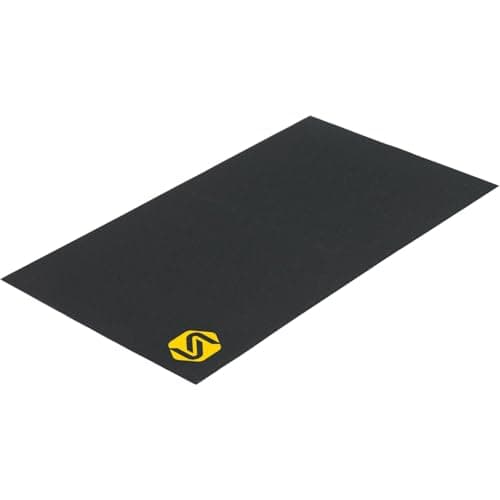 Saris Trainer Mat Buy this first. Structure-borne vibration is the complaint that travels through a building, and a dense mat is the cheap fix for it. | The first thing to buy for floor-borne noise | 8.88.8 out of 10 | $79.99 · View on Amazon #ad We may earn a commission · Price as of October 21, 2026 |
| 2 | 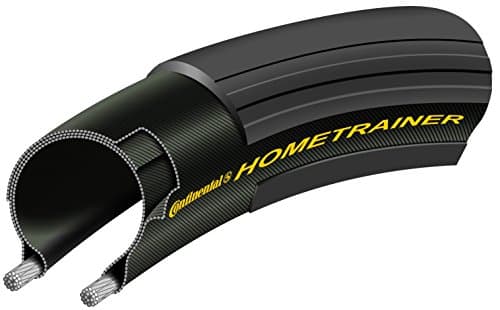 Continental Hometrainer The right second purchase on a wheel-on trainer, and a complete waste of money on a direct-drive one. | The fix for a loud wheel-on trainer | 8.48.4 out of 10 | |
| 3 | 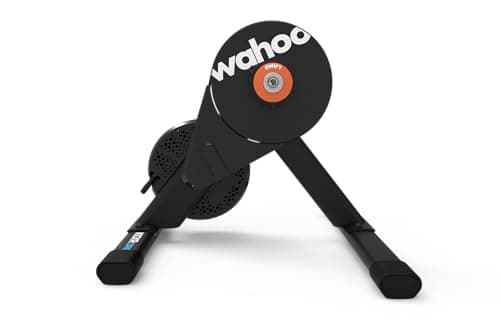 Wahoo Kickr Core 2 If the trainer is wheel-on and the noise is genuinely a problem, this is the fix — everything above it is mitigation. | The fix that actually solves it | 8.58.5 out of 10 | $549.99 · View on Amazon #ad We may earn a commission · Price as of October 21, 2026 |
| 4 | 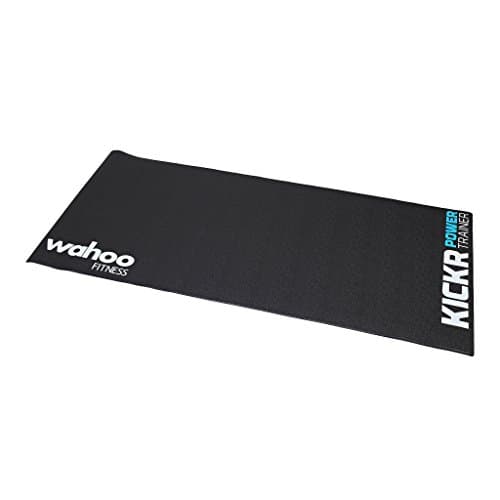 Wahoo Kickr Trainer Floormat The heavier, denser mat for a hard floor over a neighbor — the same job as the Saris, done with more mass. | If the floor is the problem and budget is not | 8.38.3 out of 10 |
If you live in an apartment
Do all of step 2, buy the mat, and be realistic about timing. A session at seven in the evening is a different conversation from one at six in the morning, and no amount of hardware changes that. Our apartment pain cave guide covers layout, floor type and the trainer choices that suit a shared building, and best quiet smart trainers ranks trainers on noise specifically rather than on power.
One structural point worth knowing before you spend on isolation: if the floor is a timber joist construction, you are fighting a drum. Mass under the trainer helps, and so does position — closer to a load-bearing wall and away from the middle of a span.
Decided the trainer itself is the problem?
See the quietest smart trainersThe full reviews
Every pick, in detail
The first thing to buy for floor-borne noise
Saris Trainer Mat
8.88.8 out of 10#ad We may earn a commission · Price as of October 21, 2026
Buy this first. Structure-borne vibration is the complaint that travels through a building, and a dense mat is the cheap fix for it.
- Size
- 36 x 59 in
- Thickness
- Medium, dense
- Material
- Textured PVC foam
- Wipe-clean
- Yes
- Fixes
- Vibration transmitted into the floor
What we'd praise
- Dense enough to deaden vibration into the floor without feeling spongy underfoot — density is what works here, not thickness
- Footprint sized for a bike and a direct-drive trainer with room to stand over it
- Textured, wipe-clean surface shrugs off sweat and chain-lube drips
- The cheapest fix for the one kind of trainer noise your neighbors actually complain about
What we'd flag
- Does nothing at all for airborne noise — a mat will not quiet a loud tire or a dry chain
- Mid-price, so the very cheapest mats undercut it
- Not the thickest option, so a downstairs neighbor may want a mat plus isolation feet
If someone in your building has mentioned the noise, this is almost certainly what they are hearing: not the trainer itself but vibration conducted into the floor structure and re-radiated somewhere else in the building. Airborne noise stops at a closed door. Structure-borne noise does not, and a dense mat under the whole setup is the standard, cheap, effective answer.
Density matters more than thickness. A thick, soft mat compresses and does less than a thinner dense one, which is also why a yoga mat is not a substitute. Our mat roundup ranks the category, and the apartment pain cave covers the rest of the shared-building problem.
The fix for a loud wheel-on trainer
Continental Hometrainer
8.48.4 out of 10The right second purchase on a wheel-on trainer, and a complete waste of money on a direct-drive one.
- Type
- Indoor trainer tire
- Size
- 700 x 23c
- Bead
- Folding
- Compound
- Harder trainer-specific rubber
- Fixes
- Tread drone and roller noise
- Use
- Indoor only
What we'd praise
- A slick trainer tire is meaningfully quieter against a roller than a treaded or squared-off road tire
- Also cuts the rubber dust and the rapid wear that come with pressing a road tire on a steel drum
- Cheap, and it fixes the single loudest component of a wheel-on setup short of replacing the trainer
- Folding bead, so it stores flat between seasons
What we'd flag
- Completely irrelevant if your trainer is direct drive — there is no tire in the drivetrain
- Indoor use only; the compound is not made for grip on a road
- With one bike and one wheel you are swapping tires every time you ride outdoors
On a wheel-on trainer the loudest thing in the room is usually the contact patch: a tread pattern slapping a steel roller, made worse as the tire squares off and wears. A slick, hard-compound indoor tire removes the tread noise and holds its shape, which is a real and immediate reduction.
It is also the fix with the most annoying logistics, because the tire is indoor-only. Do I need a trainer tire works through whether it is worth it for your setup, including the cheap second-wheel trick that removes the swapping problem entirely.
The fix that actually solves it
Wahoo Kickr Core 2
8.58.5 out of 10#ad We may earn a commission · Price as of October 21, 2026
If the trainer is wheel-on and the noise is genuinely a problem, this is the fix — everything above it is mitigation.
- Type
- Direct drive, electromagnetic
- Claimed accuracy
- ±2%
- Max resistance
- 1,800 W
- Max gradient
- 16%
- Flywheel
- 5.4 kg
- Connectivity
- WiFi, Bluetooth, ANT+ FE-C
What we'd praise
- Going from wheel-on to direct drive deletes the tire from the equation, which is the single largest noise reduction available at any price
- Sealed drive unit is genuinely quiet at endurance pace — your own chain becomes the loudest thing in the room
- No tire wear, no roller tension to set, no rubber dust
- Onboard WiFi, ±2% accuracy and a 5.4 kg flywheel make it a real upgrade rather than just a quieter one
What we'd flag
- By far the most expensive item on this page — this is a new trainer, not an accessory
- Belt pitch still climbs with effort, so a hard sprint is audible next door
- Rigid feet transmit vibration into a floor, so you still need the mat
- Needs a matching cassette or a Zwift Cog, which is an extra line item
There is an honest limit to how quiet a wheel-on trainer can be made, and it is set by the tire on the roller. Direct drive removes that interface completely: the rear wheel comes off and the chain runs onto the trainer's own cassette. It is the single largest noise reduction available in indoor cycling, and no mat or tire gets close to it.
We have picked the Core 2 rather than a flagship deliberately. The expensive trainers are not meaningfully quieter than this one at endurance pace — what the extra money buys is accuracy, resistance ceiling and movement. Best quiet smart trainers ranks the category on noise specifically, and direct drive vs wheel-on is the architecture argument in full. If silence is the absolute priority and budget is not, a motor-driven trainer with no flywheel at all is quieter again — Kickr v6 vs Tacx Neo 3M covers that.
If the floor is the problem and budget is not
Wahoo Kickr Trainer Floormat
8.38.3 out of 10The heavier, denser mat for a hard floor over a neighbor — the same job as the Saris, done with more mass.
- Size
- Sized for KICKR
- Thickness
- Thick, dense
- Material
- Dense rubber composite
- Wipe-clean
- Yes
- Fixes
- Vibration transmitted into the floor
What we'd praise
- Dense rubber composite is the best material in this category for killing structure-borne vibration
- Heavy enough to lie dead flat from day one and not shift under a heavy trainer
- Cut to suit a KICKR footprint, so it fits the system tidily
What we'd flag
- You pay a flagship premium over a cheaper mat that deadens much the same vibration
- Heavy and stiff, so it is the least travel-friendly mat here
- Like every mat, it does nothing for airborne noise
Worth the step up in one specific case: a hard floor — tile, concrete, thin laminate over joists — with someone living underneath it. Mass and density are what interrupt structure-borne vibration, and this is the densest mat we recommend.
On a carpeted floor over your own garage, the cheaper mat does the same job and the premium buys you finish rather than quiet.
Good questions
Frequently asked questions
How do I make my bike trainer quieter?
Diagnose the noise first. Clean and lube the chain and stop cross-chaining, which fixes drivetrain whine for free. Put a dense mat under the whole setup, which is the fix for vibration conducted into the floor - the noise other rooms and downstairs neighbors actually hear. On a wheel-on trainer, fit a slick indoor trainer tire, which removes tread roar. If the noise still matters, moving from wheel-on to direct drive removes the tire interface entirely and is the single largest reduction available.
Why is my bike trainer so loud?
Almost always one of three things. On a wheel-on trainer, the tire against the roller - a broadband roar that rises with wheel speed. On any trainer, the drivetrain - a whine or rattle that tracks cadence and gets worse in the extreme gears. Or structure-borne vibration conducted into the floor, which you barely notice yourself but which travels through a building. Shift to an easier gear at the same power: if the noise drops sharply, it is the tire.
Does a mat make a bike trainer quieter?
It makes a large difference to the noise other people hear and almost none to the noise you hear. A mat interrupts low-frequency vibration conducted from the trainer feet into the floor structure; it does nothing for airborne noise from a tire or a dry chain. Density matters more than thickness, which is why a thick soft yoga mat is not a substitute for a dense trainer mat.
Are direct-drive trainers quieter than wheel-on trainers?
Yes, by a wide margin, because they remove the tire-on-roller interface completely - the rear wheel comes off and the chain runs onto the trainer's own cassette. It is the single largest noise reduction available in indoor cycling. On a good direct-drive unit at endurance pace your own chain usually becomes the loudest thing in the room, so chain maintenance still matters afterwards.
Will a quieter trainer fix an apartment noise complaint?
Only partly. Complaints from neighbors are usually about vibration conducted through the floor rather than airborne noise, so a mat and trainer position often do more than the trainer itself. Do the free fixes, add a dense mat, keep the setup away from the middle of a joist span, and be realistic about session timing - no hardware makes a 6 am sprint acceptable.
Does a trainer tire reduce noise?
On a wheel-on trainer, yes - a slick hard-compound indoor tire removes the tread slap of a road tire against a steel roller and holds its shape instead of squaring off, which is the biggest cheap improvement available on that kind of setup. On a direct-drive trainer it does nothing at all, because no tire is involved.
Do expensive trainers run quieter?
Not reliably. Belt-driven flagships are not meaningfully quieter than good mid-range direct-drive trainers at the same effort; the extra money buys accuracy, resistance ceiling and movement. The exception is architecture rather than price tier: a motor-driven trainer with no physical flywheel has neither belt whine nor flywheel rush and is quieter again.
How we sourced this
- Wahoo — indoor cycling trainers and accessories, published specifications (manufacturer)
- Saris — trainer mats and trainer accessories product information (manufacturer)
- Continental — Hometrainer indoor tire specifications (manufacturer)
- Indoor training setup, trainer noise and road feel explainer (DC Rainmaker)
Keep going