Pain Cave
The Best Trainer Tires Under $50, Ranked
A wheel-on trainer eats road tires. Under $50 you get a proper indoor compound or a cheap road tire to sacrifice - and the choice depends entirely on whether you own a second wheel.
The short answer
Quick picks
| # | Product | Best for | Score | Price |
|---|---|---|---|---|
| 1 | 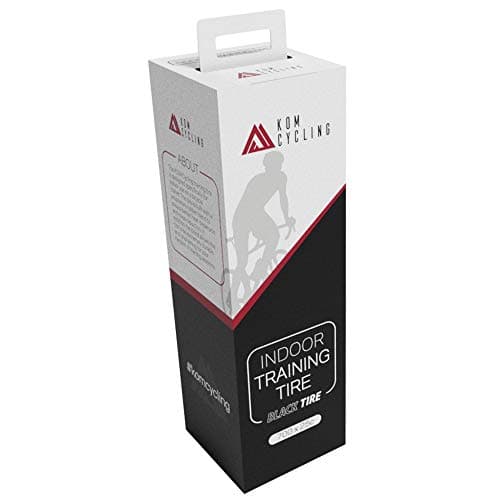 KOM Cycling Indoor Trainer Tire For the wheel-on rider who wants the problem solved properly inside the band: a dedicated indoor compound on a slick 700 x 25c casing, at a price that leaves room for the rest of the setup. | Best trainer tire under $50 | 8.28.2 out of 10 | $34.99 · View on Amazon #ad We may earn a commission · Price as of November 22, 2026 |
| 2 | 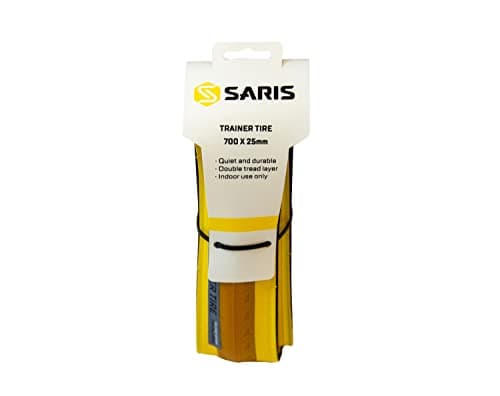 Saris Indoor Trainer Tire The budget pick: the least expensive way to stop destroying road tires on a wheel-on trainer, in a color chosen specifically so you never ride it outdoors by accident. | Budget pick: the cheapest dedicated trainer tire | 8.08.0 out of 10 | |
| 3 | 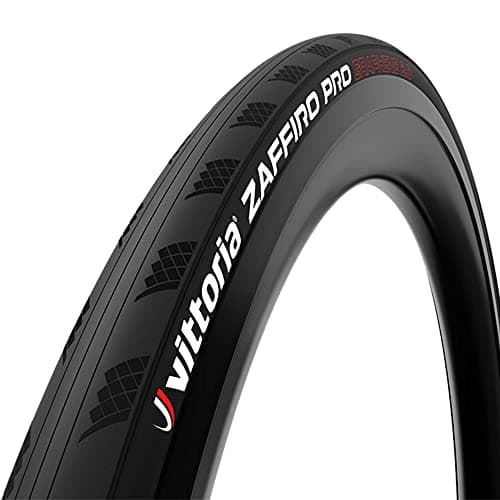 Vittoria Zaffiro Pro G2.0 For the rider with one wheelset who rides indoors and outdoors in the same week: a cheap, road-legal training tire to sacrifice to the drum, accepting faster wear and more dust. | Best under $50 if the tire must also work outdoors | 6.66.6 out of 10 |
This is the band where the trainer tire question becomes simple, because almost everything in the category costs less than $50 anyway. What the ceiling does remove is the long-life end of the market — the tires built to survive several winters rather than one — which changes the argument from "which lasts longest" to "which fits how you actually ride."
One thing first, because it saves some readers the whole page: if your trainer is direct drive, you do not need a trainer tire at all. Your rear wheel comes off and the trainer takes its place, so there is no tire touching anything. Direct drive vs wheel-on trainers explains which you have.
What $50 rules out
The longest-lasting tires in the category. The premium indoor tires — the ones with a harder compound and a reinforced casing designed to shrug off thousands of indoor miles — sit above this ceiling, and so does the trainer tire we rank first overall. Our full trainer tire roundup covers those, and if your trainer is your main form of riding for five months a year they are worth the stretch.
Any published wear figure. None of the three picks here comes with a durometer rating, a TPI count or a claimed mileage we could verify from the maker, and no independent wear test of them exists that we can cite. We are not going to invent one. What we can tell you confidently is the mechanism — indoor compounds are harder than road compounds and therefore wear slower against a steel drum — and let you weigh the rest.
Wide sizes. Both dedicated trainer tires here are 700 x 25c only. If your wheels are set up for 28 mm or 32 mm, the road-tire route becomes the practical one by default.
Why a road tire fails on a trainer
It is worth understanding, because it explains every pick on this page. A road tire's rubber is soft and grippy on purpose: it deforms into the texture of tarmac, which is where grip comes from. A trainer roller is smooth steel spinning fast under high pressure in one narrow contact patch, and it generates heat.
So a road tire on a trainer does three things at once. It wears fast, because soft rubber against steel abrades quickly. It sheds black dust across the room and onto your floor, trainer and bike. And it gets hot, which accelerates the first two. A dedicated trainer tire swaps the compound for something harder that does not grip well, does not dust nearly as much and does not wear nearly as fast — at the cost of being genuinely unsafe outdoors.
The question that actually decides this: do you own a second wheel?
Everything on this page follows from one answer.
If you own a spare rear wheel — or can buy a cheap used one — fit a dedicated trainer tire to it and the question is closed forever. The trainer wheel lives on the trainer, the road wheel lives on the bike, and swapping takes less time than putting your shoes on. In that case buy the KOM or the Saris, and the only decision left is price.
If you own one wheelset and you ride indoors and outdoors in the same week, a dedicated trainer tire means a tire change every single time, which nobody keeps up. That is the case where a cheap road tire — the Vittoria Zaffiro Pro — is the right answer despite being worse at the indoor job, because it is the only option you will actually use.
Worth doing the sums before you decide: over a winter of regular indoor riding you will probably get through more than one road tire, which costs more than a single trainer tire plus a used wheel. Zwift setup cost puts that in the context of everything else a setup needs.
How we ranked them
Compound suitability first — whether the tire was designed for an indoor drum at all, which is the only variable that materially affects wear. Then noise, where a slick tread beats a road tread audibly. Then fit range, which is where both dedicated tires lose a point for being 700 x 25c only. Then value inside the band.
We have not tested these tires and no maker on this page publishes a mileage figure, so nothing below is presented as a measured wear result. How we review explains the method.
| Tire | Type | Size | Tread | Outdoor safe? | Published wear figure |
|---|---|---|---|---|---|
| KOM Cycling Indoor Trainer Tire | Dedicated trainer tire | 700 x 25c | Slick | No | None published |
| Saris Indoor Trainer Tire | Dedicated trainer tire | 700 x 25c | Slick | No | None published |
| Vittoria Zaffiro Pro G2.0 | Road training tire | 700 x 25c | Road | Yes | None published |
| For reference: premium indoor tires | Dedicated trainer tire | 700c | Slick | No | Above this band |
Getting more life out of whichever you buy
Three things make a measurable difference on a wheel-on trainer, and all three are free.
Tire pressure.Run the pressure your trainer's manufacturer specifies, not your road pressure. Too low and the tire deforms and overheats against the drum; too high and the contact patch shrinks and slips.
Roller tension.Tighten the roller against the tire to the maker's specification — usually a set number of turns past contact. Under-tensioned is the single biggest cause of tire slip and the burnt-rubber smell that follows it.
Calibration. On a controllable wheel-on trainer, calibration depends on tire pressure and temperature, so it needs redoing when either changes. Our calibration guide has the routine, and sweat protection covers the other thing quietly corroding your wheel-on setup.
The verdict
Buy the KOM Cycling Indoor Trainer Tire if you have a wheel to dedicate to the trainer and want the wear problem solved properly — a real indoor compound on a quiet slick casing. Buy the Saris Indoor Trainer Tire if you want to spend as little as possible on a proper trainer tire, and take the bright yellow as a feature: it is the cheapest insurance against riding an indoor tire out of your driveway. Buy the Vittoria Zaffiro Pro G2.0 only if you own one wheelset and need the tire to work outdoors too, knowing it will wear faster and dust more.
And if you are still shopping for the trainer itself, the cleanest answer to this entire page is a direct-drive trainer, which needs no tire at all — bike trainers under $500 covers where that starts to become possible.
Riding indoors all winter?
See every trainer tire we rankTwo neighbors worth reading before you commit: do I need a trainer tire answers the question before the shopping starts, and bike trainers under $200 is the band where almost every trainer is wheel-on and this page becomes mandatory reading.
The full reviews
Every pick, in detail
#1 · Best trainer tire under $50
KOM Cycling Indoor Trainer Tire
8.28.2 out of 10#ad We may earn a commission · Price as of November 22, 2026
For the wheel-on rider who wants the problem solved properly inside the band: a dedicated indoor compound on a slick 700 x 25c casing, at a price that leaves room for the rest of the setup.
- Size
- 700 x 25c
- Compound
- Proprietary indoor compound
- Tread
- Slick
- Claimed benefit
- Quiet running, long life
- Fit
- Common 700c road rims
- Use
- Indoor only
What we'd praise
- A purpose-made indoor compound, which is the only thing that actually solves trainer tire wear
- Slick tread, so there is no tread pattern to drum against the roller and raise the noise floor
- 700 x 25c, the size that fits the largest share of road wheels without thinking about it
- Comfortably inside the band with room left for the floor pump the setup also needs
- Marketed for indoor use only, which is a specification rather than a warning to ignore
What we'd flag
- Indoor only — this tire is genuinely unsafe outdoors and the label is not being cautious
- Means a second wheel or a tire change every time you ride outside
- KOM publishes no durometer, TPI or claimed mileage figure we could verify
- Only 700 x 25c, so a 28 mm or 32 mm setup is out of luck
- No independent test of its wear rate exists that we can cite
A trainer tire is a single-purpose object and this is the one we would buy under $50. The compound is made for an indoor roller rather than a road, which is the entire point: a road tire's soft, grippy rubber is designed to deform against tarmac, and a steel drum spinning at speed simply eats it. A harder indoor compound does not.
The tread is slick, which matters for noise as well as wear. Any tread pattern drums against the roller and adds a pitch to the room that a slick does not, and in an apartment that is not a trivial detail. How to make a bike trainer quieter covers where the rest of the noise comes from.
The honest limits: 700 x 25c only, so a 28 mm setup is not catered for; KOM publishes no durometer or claimed-mileage figure we could verify; and it is strictly indoor-only, which means a wheel swap or a tire change every time you ride outside. Do I need a trainer tire answers the prior question honestly.
#2 · Budget pick: the cheapest dedicated trainer tire
Saris Indoor Trainer Tire
8.08.0 out of 10The budget pick: the least expensive way to stop destroying road tires on a wheel-on trainer, in a color chosen specifically so you never ride it outdoors by accident.
- Size
- 700 x 25c
- Color
- Yellow
- Compound
- Trainer-specific
- Tread
- Slick
- Visual cue
- Bright color signals indoor-only
- Use
- Indoor only
What we'd praise
- The cheapest dedicated trainer tire we rank, and the clearest value in the band
- Bright yellow, which is a genuine safety feature rather than styling
- A trainer-specific compound, so it is a real trainer tire and not a cheap road tire rebadged
- Slick tread, with the same noise benefit as the KOM
- Saris has been making wheel-on trainers for decades, so the tire is matched to the format
What we'd flag
- Indoor only, like every dedicated trainer tire
- Saris publishes no durometer, TPI or mileage figure we could verify
- 700 x 25c only
- The yellow is divisive if the bike is also your nice bike
- No independent wear test exists that we can cite
This is the budget pick and the one most wheel-on riders should buy first. It is a proper trainer tire with a trainer-specific compound and a slick tread, at the lowest price in the category — and the bright yellow is the feature people underestimate.
The reason the color matters: a trainer tire has no outdoor grip and no puncture protection worth the name, and the failure mode is forgetting which wheel is which and riding out of the driveway on it. A yellow tire is impossible to confuse with a road tire in a dim garage at 6 a.m. Saris has been building wheel-on trainers since long before smart trainers existed, and this is clearly a tire designed by people who have watched that mistake happen.
The gaps are the same as everywhere in the band: no published durometer, no claimed mileage, 700 x 25c only. Our full trainer tire roundup covers the longer-lasting options above this ceiling.
#3 · Best under $50 if the tire must also work outdoors
Vittoria Zaffiro Pro G2.0
6.66.6 out of 10For the rider with one wheelset who rides indoors and outdoors in the same week: a cheap, road-legal training tire to sacrifice to the drum, accepting faster wear and more dust.
- Size
- 700 x 25c
- Type
- Training road tire, not a trainer tire
- Use
- Road legal — and safe outdoors
- Compound
- Road training compound
- Role here
- Cheap tire to sacrifice to the drum
- Trade-off
- Wears faster indoors, sheds more dust
What we'd praise
- Road legal and safe outdoors, which no dedicated trainer tire on this page is
- One tire covers both uses, so there is no wheel swap and no mid-winter tire change
- A proper road training tire from an established maker, not a budget no-name casing
- The right answer if you own one wheelset and ride both indoors and out
- Cheap enough to treat as a consumable and replace when the drum has had it
What we'd flag
- Wears far faster against a roller than any dedicated trainer tire
- Sheds noticeably more black rubber dust into the room
- Noisier against the drum than a slick indoor compound
- Buying these repeatedly costs more over a winter than buying one trainer tire
- Not the cheaper option it looks like unless you genuinely need the outdoor use
The Zaffiro Pro is not a trainer tire, and that is exactly why it is here. If you own one wheelset and your week includes both a trainer session and an outdoor ride, a dedicated indoor tire forces a tire change or a second wheel. A cheap, road-legal training tire does not: you ride it inside, you ride it outside, and you accept that the drum is slowly destroying it.
Be clear about the arithmetic, because it is the thing most people get wrong. A road tire against a steel roller wears quickly, sheds more dust and runs louder than a slick indoor compound. Over a full winter of indoor riding you will likely get through more than one of these, which costs more than buying a single trainer tire once. This only makes financial sense if you genuinely need the outdoor use.
The alternative worth considering seriously is a second wheel with a trainer tire already fitted — cheaper than it sounds if you buy used, and it removes the entire problem. Or skip the question altogether: a direct-drive trainer has no tire at all. Direct drive vs wheel-on is where that decision lives.
Good questions
Frequently asked questions
What is the best trainer tire under $50?
The KOM Cycling Indoor Trainer Tire. It uses a dedicated indoor compound on a slick 700 x 25c casing, which is what actually solves the wear problem, and the slick tread keeps the noise down against the roller. The Saris Indoor Trainer Tire is the cheapest dedicated trainer tire we rank and comes in bright yellow so it cannot be confused with a road tire. If you own only one wheelset, the Vittoria Zaffiro Pro G2.0 is the road-legal compromise.
Do you need a trainer tire for a wheel-on trainer?
If the trainer is going to be your main riding for a season, effectively yes. A road tire's soft compound abrades quickly against a smooth steel roller, sheds black rubber dust across the room and gets hot, which makes both problems worse. A dedicated trainer tire uses a harder compound that wears far slower and dusts far less. If you only use the trainer occasionally, an old road tire you were about to replace anyway will do the job.
Can you ride a trainer tire outdoors?
No, and this is not an over-cautious label. A trainer tire's compound is deliberately hard so that it resists abrasion against a steel drum, which means it has very little grip on tarmac - particularly when wet - and no meaningful puncture protection. The Saris tire is bright yellow specifically so you cannot confuse it with a road tire in a dim garage. If you need one tire for both uses, buy a cheap road training tire instead and accept faster indoor wear.
Do you need a trainer tire for a direct-drive trainer?
No. A direct-drive trainer replaces your rear wheel entirely - the wheel comes off and the bike's chain runs on a cassette fitted to the trainer itself - so there is no tire in contact with anything. That is one of the quiet advantages of the format, alongside lower noise and tighter power accuracy. The trade is that a direct-drive trainer needs a cassette matched to your drivetrain, which is a cost a wheel-on trainer does not have.
How long does a trainer tire last?
None of the makers on this page publishes a mileage figure, and we have found no independent wear test of these specific tires to cite, so we are not going to put a number on it. What is well established is the mechanism: a harder indoor compound abrades far slower against a steel roller than a soft road compound does. Running the trainer maker's specified tire pressure and roller tension makes a bigger difference to tire life than the choice between the two dedicated tires here.
Is a cheap road tire a good trainer tire?
Only if you need one tire to do both jobs. A cheap road training tire like the Vittoria Zaffiro Pro is road legal, so you can ride indoors and outdoors on the same wheel without changing anything - which is the one thing no dedicated trainer tire can offer. The cost is that it wears quickly, dusts more and runs louder, and over a full winter you may get through more than one, which ends up more expensive than buying a single trainer tire plus a used spare wheel.
How we sourced this
Keep going