Cross Training
Indoor Cycling vs Treadmill: Which Is Right for You?
Two machines, two very different demands on your joints, your floor and your neighbors. An honest comparison for anyone deciding what goes in the spare room.
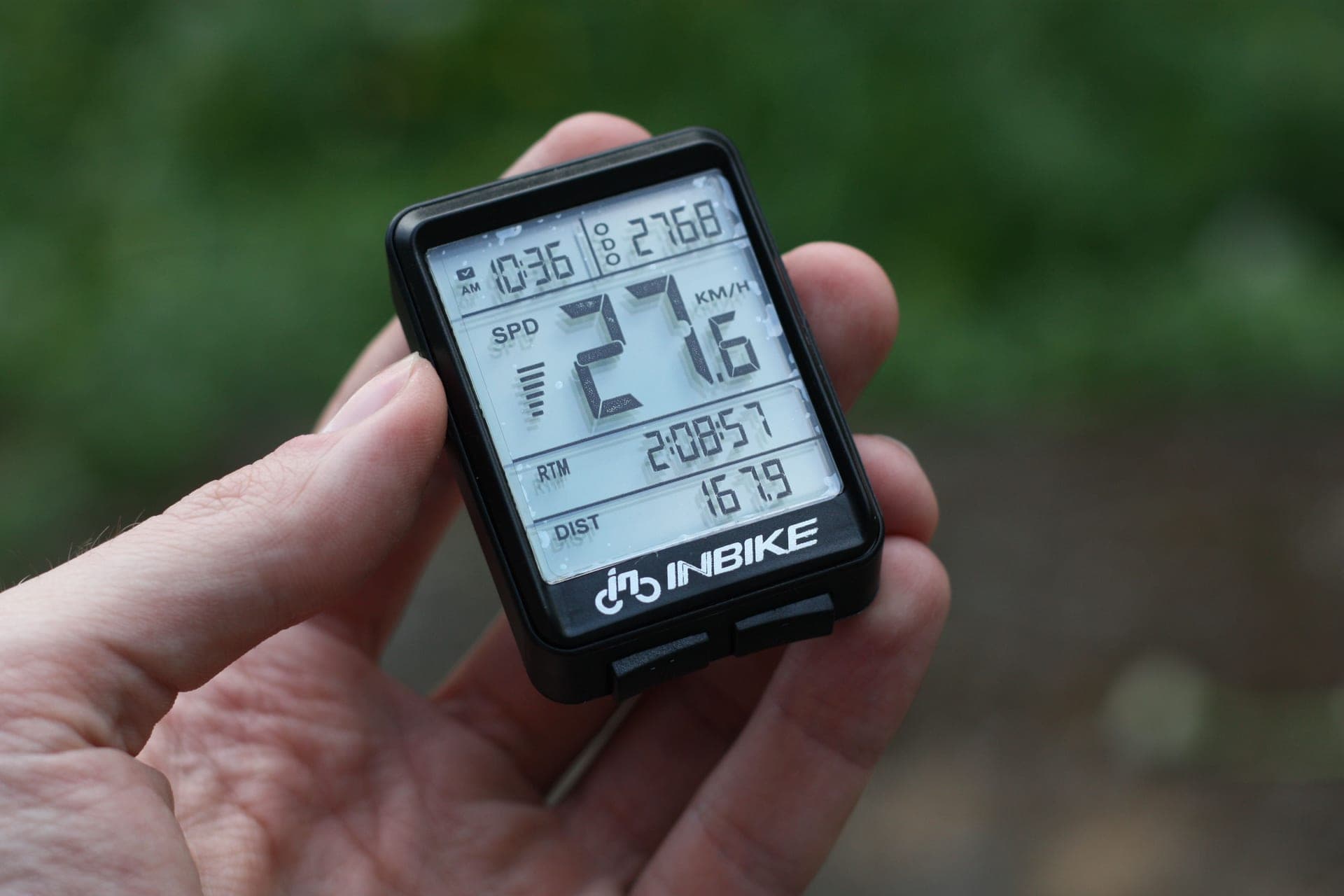
This is a spare-room decision as much as a fitness one. Both machines will make you fitter if you use them, and the honest determinant of results is which one you will still be using in March. That comes down to your joints, your building, your available floor space, and whether the activity connects to something you already enjoy. Here is how the two compare on each.
Impact and joints
This is the clearest difference. Cycling is a non-impact activity: your feet never leave the pedals, your weight is supported by the saddle and bars, and the load on your knees and hips is smooth and rotational. Running is a repeated impact activity, and each footfall transmits a multiple of your body weight through ankles, knees and hips.
Neither fact makes one machine good and the other bad. Impact loading is precisely why running is better for bone density — bones respond to being loaded, and cyclists as a group are routinely advised to add weight-bearing exercise for exactly this reason. But if you are carrying a knee injury, returning from surgery, or simply find that running leaves you sore in joints rather than muscles, cycling lets you accumulate hours that running would not allow.
Calorie burn: the honest version
Running burns more calories per minute than cycling at the same perceived effort, because you are moving your entire body mass against gravity rather than sitting on a saddle. That is the widely quoted advantage, and it is real.
It is also less decisive than it looks, for two reasons. First, most people can sustain cycling for longer, and total energy expenditure is duration times intensity — an easy 90 minutes on the bike beats a hard 25 minutes on the treadmill that you cut short. Second, cycling intensity is controllable to the watt, so a hard interval session on a trainer can reach an intensity most recreational runners never touch. The machine that burns more is the one you use more, at the intensity you can hold.
| Indoor cycling | Treadmill | |
|---|---|---|
| Joint impact | None | High, repeated |
| Bone density benefit | Low | High |
| Calories per minute | Lower at equal effort | Higher at equal effort |
| Sustainable session length | Long | Shorter for most people |
| Intensity control | Precise, to the watt | Speed and incline |
| Noise for neighbors | Low | High — footfall through the floor |
| Floor space | Moderate | Large |
| Entry cost | Trainer plus a bike you own | Complete machine |
Noise, space and the building you live in
A treadmill is one of the loudest pieces of home equipment there is, and the noise is structure-borne — footfall transmitted into the floor and out of the ceiling below. In an apartment or a shared house it is very often the thing that ends the experiment.
Indoor cycling is quieter across the board, and a direct-drive smart trainer is quieter still because there is no tire on a roller. Add a trainer mat and the vibration reaching the floor drops further. Space favors cycling too: a trainer setup occupies roughly the footprint of a bike and folds away in many cases, while a treadmill is a permanent, heavy object.
Cost, and what you probably already own
A treadmill is a complete machine, so you buy the whole thing. Indoor cycling splits into two cases. If you already own a bike, a trainer is the only purchase, and a budget controllable trainer costs meaningfully less than a treadmill worth owning. If you do not own a bike, the arithmetic changes and a smart bike or a basic bike plus trainer becomes comparable.
Running costs differ too. A treadmill has a belt and motor that wear; a trainer has almost nothing to consume unless it is wheel-on, in which case tires are the consumable. Our cost guide breaks down what each trainer tier actually buys.
Training precision
This is where indoor cycling has a genuine, structural advantage that rarely gets mentioned in general fitness comparisons. A smart trainer measures your power output directly in watts and can hold you at an exact target through ERG mode. That makes structured training genuinely precise: a plan prescribes 240 W for eight minutes, the trainer holds 240 W, and the session is executed exactly as written.
A treadmill controls speed and incline, which is a proxy for effort rather than a measurement of it — the same 10 kph costs a fit runner and a tired one very different amounts. That is why serious endurance training has migrated toward power on the bike. If you want to understand what a trainer measures, our accuracy guide is the place to start.
Which one will you actually use?
Everything above is secondary to this. The best answer is usually the activity that connects to something you already do or enjoy. If you ride a bike outdoors in summer, a trainer keeps that fitness through winter and uses the bike you already own. If you run outdoors, a treadmill is the equivalent.
Two practical points in cycling's favor on the adherence question. It is easier to do something else while cycling — watch a film, join a group ride online, take a call — because your body is stable and your hands are free. And platforms like Zwift make an hour indoors genuinely engaging in a way a treadmill display rarely matches. That is not a small thing when the alternative is staring at a wall in February. Our pain cave setup guide covers how to build a room you will keep coming back to.
Leaning toward the bike?
See the best smart trainers, rankedCan you do both?
Yes, and there is a decent argument for it. Cycling gives you high-volume, low-impact aerobic work; running or walking gives you the weight-bearing loading that keeps bones strong. Many riders who train seriously indoors add walking or light running specifically for that reason, alongside strength work.
If space and budget only allow one machine, the deciding questions are joints and building. Bad knees or a neighbor below points clearly at cycling. A goal that involves running, or a specific interest in bone health, points at the treadmill. If neither applies, choose the one that fits your room and the sport you already like — that is a better predictor of results than any calorie table.
Two related comparisons: cycling vs spinning covers the difference between a bike and a studio class, and indoor cycling vs running takes the treadmill question outdoors.
Good questions
Frequently asked questions
Is indoor cycling or a treadmill better for weight loss?
Whichever you use consistently. Running burns more calories per minute at the same perceived effort, but cycling is easier to sustain for longer sessions and easier on joints, so total weekly energy expenditure often ends up similar or higher. Adherence matters more than the per-minute rate.
Is cycling better than running for bad knees?
Generally yes. Cycling is non-impact and rotational, with your weight supported by the saddle, so it lets many people accumulate training hours that running would not allow. That said, bike fit matters: poor saddle height is a common cause of knee pain on a bike.
Which is quieter for apartments, a trainer or a treadmill?
An indoor trainer, by a wide margin. Treadmill noise is footfall transmitted through the floor into the room below, which is the hardest kind to control. A direct-drive smart trainer on a mat produces far less structure-borne noise and no impact at all.
Does indoor cycling build bone density?
Much less than running does, because bone responds to weight-bearing impact and cycling has none. Cyclists are routinely advised to add weight-bearing activity such as walking, running or strength training alongside riding for exactly this reason.
Which takes up less space, a trainer or a treadmill?
A trainer setup, clearly. It occupies roughly the footprint of a bike, and many trainers fold for storage. A treadmill is a large, heavy, permanent object that is difficult to move once placed and hard to hide in a shared living space.
Can I train more precisely on a bike than on a treadmill?
Yes. A smart trainer measures power directly in watts and can hold an exact target through ERG mode, so a prescribed interval is executed precisely. A treadmill controls speed and incline, which approximates effort rather than measuring it, and varies with your fatigue on the day.
How we sourced this
Keep going