Accessory Review
Wahoo TICKR Review
For years this was the default heart rate strap in indoor cycling. Wahoo has replaced it — and the replacement is better at almost everything except the thing people liked most.
If you have ridden indoors at any point in the last decade, you have probably owned a Wahoo TICKR or ridden next to someone who did. It was the default: an ECG chest strap that spoke Bluetooth and ANT+ at the same time, survived being sweated on, cost less than the Polar equivalent, and ran for something like 500 hours on a coin cell you could replace in thirty seconds.
Wahoo has now discontinued the whole TICKR line — the base TICKR, the memory-equipped TICKR X and the optical TICKR FIT armband — and replaced it with a single strap called the TRACKR. This review covers what the TICKR did, whether the one in your drawer is still worth using, and whether the replacement is actually an upgrade.
What the TICKR got right
Three things, and they are worth restating because they explain why it was so widely recommended.
It measured properly. ECG electrodes read the electrical signal that fires your heart, rather than a watch inferring pulse from light bounced off your wrist. Optical sensors struggle with cold hands, rhythmic vibration and rapid changes in effort — which is a fair description of most interval sessions. A chest strap does not have those failure modes.
It talked to everything at once. Simultaneous Bluetooth and ANT+ meant Zwift on a tablet and a Garmin on the bars could both see it without a fight. On single-connection sensors, the first device to grab the signal keeps it, which is behind a surprising share of the problems our connection troubleshooting guide covers.
The battery was a non-event. Roughly 500 hours from a replaceable coin cell means you thought about it once a year at most, and the fix cost a couple of pounds. That is the thing owners will miss.
| Wahoo TICKR | Wahoo TRACKR | Polar H10 | Garmin HRM-Dual | |
|---|---|---|---|---|
| Measurement | ECG | ECG | ECG | ECG |
| Battery | Coin cell, ~500 h | Rechargeable, ~100 h | CR2025, up to 400 h | CR2032, up to 3.5 years |
| Bluetooth | Yes | Yes | Two simultaneous | Two |
| ANT+ | Yes | Yes | Yes | Unlimited connections |
| HRV | TICKR X only | Yes | Reference-grade | Yes |
| Onboard memory | TICKR X only | No | Up to 30 h | No |
| Water resistance | IPX7 | IPX7 | WR30 | Sweat and rain |
| Currently produced | No | Yes | Yes | Yes |
TICKR, TICKR X and TICKR FIT — which one do you have?
Wahoo sold three things under similar names and people conflate them constantly.
The TICKR is the base chest strap: heart rate over Bluetooth and ANT+, nothing else. The TICKR X is the same strap with onboard memory — so it can record a session with no phone present — plus running analytics that are irrelevant to cyclists. The TICKR FIT is not a chest strap at all; it is an optical armband, which is a genuinely different measurement method and a real compromise for interval work.
If accuracy is why you are here, the chest strap versions are the ones that matter. An armband is a better optical position than a wrist, because the forearm has less movement and better tissue contact, but it is still an estimate rather than a measurement.
The TRACKR trade: better sensor, worse battery
The single biggest change is the move from a replaceable coin cell to a rechargeable battery, and it cuts both ways.
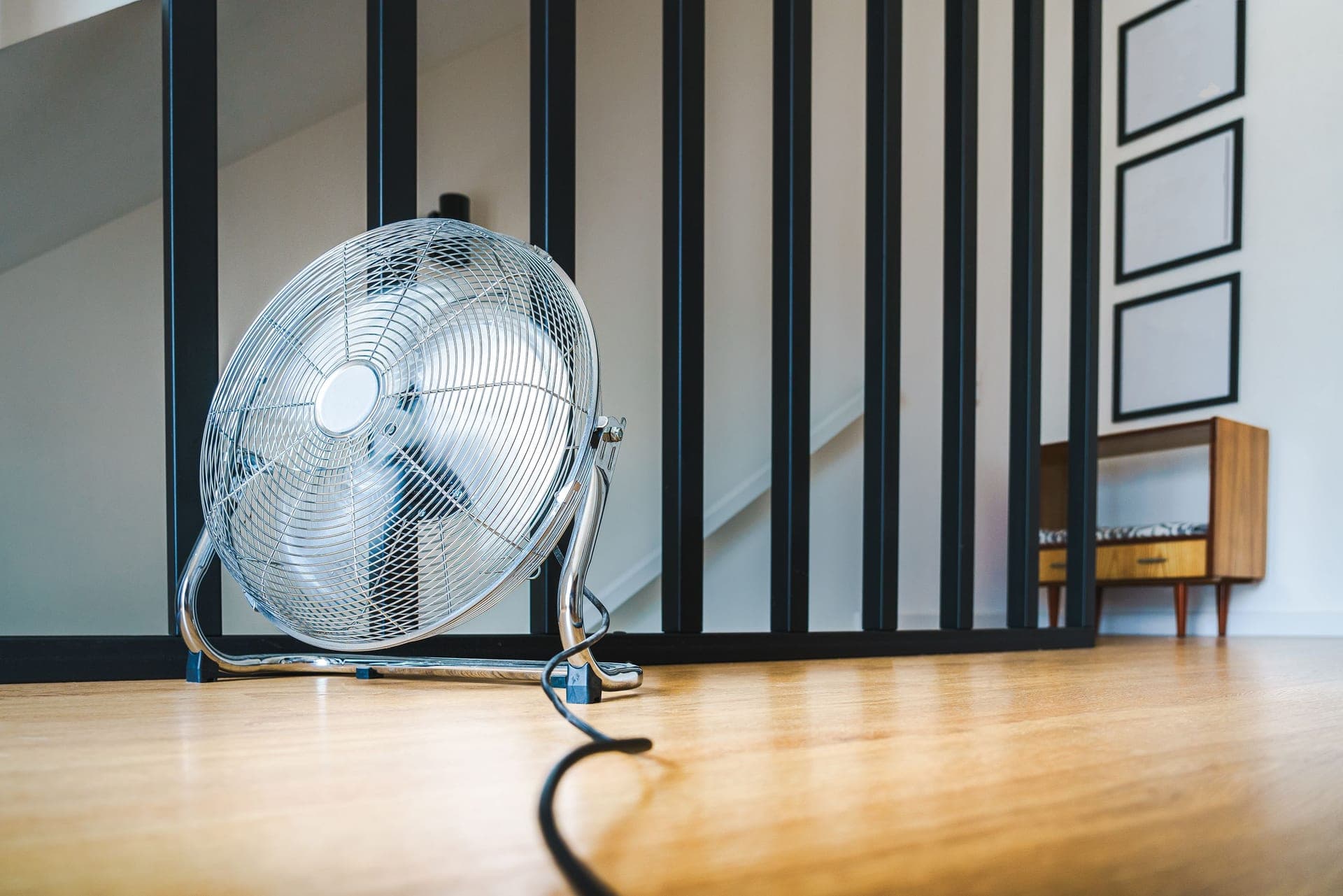
In its favor:a sealed body with no battery door is fundamentally better at keeping sweat out, and sweat ingress at the battery door was the TICKR's known failure mode. Indoor sweat is far more concentrated than outdoor riding produces — it lands in one place, for an hour, with no airflow unless you own a proper fan — so a better-sealed strap is not a trivial improvement for a pain cave.
Against it: around 100 hours per charge instead of roughly 500 on a cell. That turns a once-a-year afterthought into a recurring habit, and it adds a proprietary charger to a room that already has too many cables. If you ride ten hours a week, you are charging your heart rate strap every couple of months.
The TRACKR also adds HRV reporting, which the base TICKR did not have, and Wahoo positions it as more accurate than the strap it replaces. Inside a Wahoo setup it is the obvious pairing — the Kickr Core 2's Bridge feature relays a strap through the trainer, which removes one Bluetooth connection from the chain entirely.
Should you replace a working TICKR?
No. This is one of those upgrades where the honest answer is that nothing is wrong with what you have. An ECG strap that reads accurately and connects reliably is doing its whole job, and heart rate is not a specification that improves in ways you will feel.
Replace it when it starts misbehaving, which usually shows up as spiky readings, high numbers in the first few minutes, or dropouts mid-session. The first two are almost always dry electrodes or a degraded fabric strap rather than a dead sensor — wet the electrodes before you start, and if the strap has gone hard or lost its grip after a couple of years of indoor sweat, replace the strap rather than the pod.
Who should buy what
Buy a used TICKR if you see one cheaply and you want a second strap, or a spare that lives in a kit bag. It is a good sensor with a long battery life and there is nothing wrong with it.
Buy the TRACKR new if you are in a Wahoo ecosystem or you want the better-sealed design and HRV. Buy the Polar H10 if data quality and connectivity are the priority — it holds two Bluetooth connections plus ANT+, records 30 hours on its own, and runs 400 hours on a coin cell. Buy the Garmin HRM-Dual if you want the cheapest strap worth owning; our roundup ranks all of them, and our power meter vs heart rate guide covers whether you should be training to either number in the first place.
Replacing a TICKR?
See every heart rate monitor rankedThe full reviews
Every pick, in detail
The strap under review
Wahoo TICKR
8.28.2 out of 10
A very good strap that Wahoo has retired. Keep the one you own, buy one cheaply if you find it, but do not go looking for new stock at full price.
- Measurement
- ECG electrodes, chest strap
- Battery
- Replaceable coin cell, around 500 hours
- Connectivity
- Bluetooth, ANT+
- Water resistance
- IPX7
- Status
- Discontinued, replaced by the TRACKR
- Variants
- TICKR, TICKR X, TICKR FIT armband
What we'd praise
- Around 500 hours from a coin cell you can replace anywhere — nothing since has matched that convenience
- Simultaneous Bluetooth and ANT+, so a tablet and a head unit can both see it
- Simple, reliable and cheap secondhand; the sensor pod outlasts several straps
- The TICKR X added onboard memory and running analytics, which the base model lacked
What we'd flag
- Discontinued — Wahoo has replaced the whole TICKR line with the TRACKR
- The coin cell door is the known weak point for sweat ingress on a heavily used strap
- No HRV reporting on the base TICKR
- Straps degrade with sweat and replacements for a discontinued product get harder to find
The TICKR was the default Wahoo strap for the better part of a decade and it earned that position honestly: ECG measurement, simultaneous Bluetooth and ANT+, an IPX7 rating and roughly 500 hours from a coin cell you could buy at a corner shop.
Wahoo has now replaced the TICKR and the TICKR X with the TRACKR, which changes the one thing people liked most about it.
What replaced it
Wahoo TRACKR Heart Rate
8.78.7 out of 10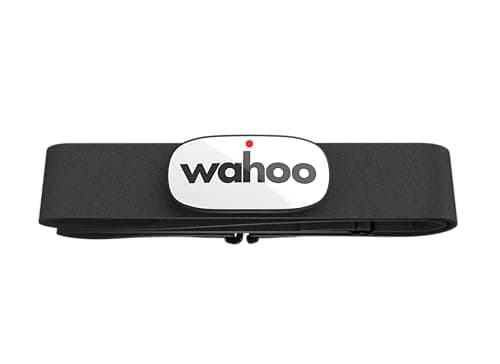
#ad We may earn a commission · Price as of October 22, 2026
A better sensor in a worse battery format. The right buy inside a Wahoo setup, and a fair trade if you would rather charge than swap cells.
- Measurement
- ECG electrodes, chest strap
- Battery
- Rechargeable, around 100 hours
- Connectivity
- Bluetooth, ANT+
- Data
- Heart rate and HRV
- Water resistance
- IPX7
- Replaces
- TICKR and TICKR X in one product
What we'd praise
- Better sealed than the coin-cell design, because there is no battery door to let sweat past
- Reports HRV, which the base TICKR did not
- Improved accuracy over the strap it replaces, and one product instead of a confusing three
- Pairs neatly with Wahoo trainers, including the Kickr Bridge heart-rate relay on the Core 2
What we'd flag
- Around 100 hours per charge against the TICKR's 500 on a coin cell — the clearest step backwards
- A proprietary charger to keep track of and eventually lose
- No onboard memory, so a receiving device is required to record anything
The TRACKR consolidates the TICKR, TICKR X and their overlapping feature sets into one strap. It measures better, seals better and reports HRV; it also asks you to charge it every few weeks rather than change a battery once a year.
Whether that is an upgrade depends entirely on how you feel about charging things. Our heart rate monitor roundup ranks it against the field.
Good questions
Frequently asked questions
Is the Wahoo TICKR discontinued?
Yes. Wahoo has retired the TICKR and TICKR X and replaced them with a single strap called the TRACKR. Existing TICKRs keep working normally — nothing has been switched off — but new stock is finite and replacement straps for a discontinued product get harder to source over time.
What is the difference between the Wahoo TICKR and the TRACKR?
The TRACKR is rechargeable rather than coin-cell powered, which means a better-sealed body but around 100 hours per charge instead of roughly 500 hours from a cell. It also adds HRV reporting, which the base TICKR lacked, and consolidates the TICKR and TICKR X into one product.
What is the difference between the TICKR, TICKR X and TICKR FIT?
The TICKR is the base ECG chest strap. The TICKR X adds onboard memory so it can record a session with no phone present, plus running analytics. The TICKR FIT is not a chest strap at all — it is an optical armband, which estimates heart rate from light rather than measuring the electrical signal.
Should I replace my Wahoo TICKR?
Not while it works. An ECG strap that reads accurately and connects reliably is doing its entire job, and heart rate accuracy does not improve in ways you will notice. Replace it when readings go spiky or it drops out — and check the fabric strap first, because that degrades long before the sensor does.
Does the Wahoo TICKR work with Zwift?
Yes. It broadcasts over both Bluetooth and ANT+ simultaneously, so Zwift on a tablet and a head unit on the bars can both see it. That dual broadcast is one of the main reasons it became the default strap for indoor riders.
Why does my TICKR read wrong at the start of a session?
Almost always dry electrodes. The strap needs a conductive path to your skin and does not have one until you sweat, so it reports noise for the first few minutes. Wet the electrodes before you start. If it persists, the fabric strap has degraded and should be replaced.
How we sourced this
- Wahoo heart rate monitors, current range and specifications (manufacturer)
- Wahoo support: identify a Wahoo heart rate monitor (manufacturer)
- New Wahoo Trackr heart rate monitor is more accurate and rechargeable (Cycling Weekly)
- Wahoo Trackr heart rate monitor review (Cyclist)
- Polar H10 heart rate sensor specifications for comparison (manufacturer)
Keep going